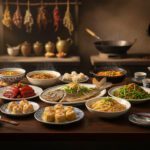
Spicy food recipes: Ignite Your Palate with Fiery Flavors
The world of culinary delights is vast and varied, offering a spectrum of flavors to suit every palate. Among these, spicy food holds a unique and exhilarating position. For many, the thrill of a fiery dish is an irresistible call, a culinary adventure that awakens the senses. Indeed, spicy food recipes transcend mere sustenance; they represent a journey into vibrant cultures and bold tastes. This article delves deep into the captivating realm of piquant preparations. Therefore, we will explore the science behind the heat, essential ingredients, and diverse global cuisines that masterfully incorporate spice.
The Allure of Spicy Food Recipes: Why We Crave the Heat
What drives our fascination with heat? The sensation of spice, unlike other tastes, is actually a pain response. However, it is a pain that many actively seek out and enjoy. This paradox defines the charm of spicy food recipes. The capsaicin found in chilies binds to pain receptors in our mouths, signaling a burning sensation. Consequently, our bodies react by releasing endorphins, natural painkillers, which create a feeling of euphoria. This “chili high” explains why so many people are drawn to the fiery kick.
The Science Behind the Scoville Scale
To quantify the heat in chilies, Wilbur Scoville developed the Scoville Organoleptic Test in 1912. The Scoville Heat Unit (SHU) measures the concentration of capsaicin. For instance, a bell pepper has 0 SHU, while a jalapeño typically ranges from 2,500 to 8,000 SHU. Furthermore, some of the world’s hottest peppers, like the Carolina Reaper, can exceed 2 million SHU. Understanding this scale is crucial for anyone embarking on creating or enjoying spicy food recipes, as it helps in gauging the intensity.
Health Benefits of Spicy Foods
Beyond the pleasure, spicy foods offer several potential health benefits. Capsaicin has anti-inflammatory and antioxidant properties. Moreover, it may boost metabolism, aid in weight management, and even improve cardiovascular health. Studies suggest that regular consumption of spicy food might also reduce the risk of certain chronic diseases. Therefore, indulging in spicy food recipes can be a delicious way to support your well-being.
Essential Ingredients for Fiery Dishes
Crafting truly exceptional spicy food recipes begins with selecting the right ingredients. The diversity of chilies and spices available globally allows for an endless array of flavor profiles and heat levels.
A World of Chilies: From Mild to Wild
Chilies are the cornerstone of most spicy dishes. Their unique flavors and heat levels vary significantly.
Jalapeño:** A popular choice, offering moderate heat (2,500-8,000 SHU) and a fresh, grassy flavor. It’s versatile in many *spicy food recipes.
- Serrano: Hotter than a jalapeño (10,000-23,000 SHU), with a brighter, more pungent taste.
- Habanero: Known for its fruity aroma and intense heat (100,000-350,000 SHU). Use with caution!
- Cayenne: Often dried and ground into a powder, providing a clean, sharp heat (30,000-50,000 SHU).
Thai Bird’s Eye Chili:** Small but mighty, delivering significant heat (50,000-100,000 SHU) crucial for authentic Asian *spicy food recipes.
- Ghost Pepper (Bhut Jolokia): An extremely hot pepper (855,000-1,041,427 SHU), used sparingly for extreme heat.
Spices and Aromatics that Amplify Heat
While chilies provide the primary heat, other ingredients contribute to the overall warmth and complexity.
- Black Pepper: Offers a different kind of pungency, distinct from capsaicin.
- Ginger: Imparts a sharp, zesty heat, common in Asian and Indian cuisines.
- Garlic: While not directly spicy, its pungent flavor often enhances the perception of heat.
- Mustard Seeds/Powder: Provides a sharp, sinus-clearing heat, particularly in Indian and European dishes.
- Horseradish/Wasabi: Deliver a volatile, nasal heat that quickly dissipates.
Exploring Global Spicy Food Recipes by Cuisine
Every corner of the globe boasts its own interpretation of spicy cuisine, shaped by local ingredients and cultural traditions. Discovering these diverse spicy food recipes is a culinary adventure.
Mexican Cuisine: Tacos, Enchiladas, and Salsas
Mexican food is synonymous with vibrant flavors and varying degrees of heat. Chilies like jalapeños, serranos, poblanos, and habaneros are fundamental. For instance, a classic Salsa Roja, made with roasted tomatoes, onions, garlic, and serrano or arbol chilies, offers a delightful kick. Moreover, dishes like Chiles Rellenos* (stuffed poblano peppers) or *Enchiladas Suizas often feature a rich, subtly spicy sauce. Tacos, furthermore, are often elevated with a variety of hot sauces.
Indian Cuisine: Curries, Vindaloo, and Chutneys
Indian cuisine is renowned for its intricate spice blends and fiery curries. Red chili powder, green chilies, and black pepper are staples. Vindaloo*, originating from Goa, is perhaps one of the most famous spicy food recipes in Indian cuisine, known for its intense heat from red chilies and vinegar tang. *Rogan Josh* offers a milder, aromatic warmth, while various *chutneys provide a spicy counterpoint to main dishes. The careful layering of spices is key here.
Thai Cuisine: Tom Yum, Green Curry, and Pad Krapow
Thai food expertly balances sweet, sour, salty, and spicy notes. Bird’s eye chilies are frequently used to achieve this characteristic heat. Tom Yum Goong*, a hot and sour shrimp soup, is a prime example, featuring lemongrass, galangal, kaffir lime leaves, and a generous amount of chilies. *Green Curry* (Gaeng Keow Wan) derives its vibrant color and heat from green chilies, while *Pad Krapow (Holy Basil Stir-fry) offers a quick, fiery punch. Consequently, these dishes are incredibly aromatic and complex.
Sichuan Chinese Cuisine: Ma La Flavors and Dan Dan Noodles
Sichuan cuisine is famous for its unique “ma la” (麻辣) flavor profile, which translates to “numb and spicy.” This sensation comes from a combination of Sichuan peppercorns (ma) and dried chilies (la). Mapo Tofu*, a classic dish, exemplifies this perfectly, with its silken tofu, minced meat, and a rich, fiery, numbing sauce. *Dan Dan Noodles are another iconic dish, featuring spicy chili oil, minced pork, and preserved vegetables. Therefore, exploring Sichuan spicy food recipes offers a distinct culinary experience.
Korean Cuisine: Kimchi, Gochujang, and Bibimbap
Korean cuisine embraces spice with enthusiasm, largely thanks to gochujang* (fermented chili paste) and *gochugaru* (chili powder). *Kimchi*, the national dish, is a fermented cabbage dish often packed with a spicy kick. *Kimchi Jjigae* (kimchi stew) is a warming, fiery staple. *Bibimbap, a mixed rice dish, is frequently served with a dollop of gochujang for personalized heat. These spicy food recipes are not only flavorful but also deeply rooted in Korean culture.
Mastering the Art of Cooking Spicy Food Recipes
Successfully preparing spicy dishes involves more than just adding heat. It requires an understanding of flavor balance and technique.
Balancing Heat with Flavor: The Golden Rule
The best spicy food recipes are not just hot; they are also incredibly flavorful. The goal is to enhance, not overwhelm, the other ingredients. Consider the type of chili: does it have a fruity note, an earthy depth, or a sharp pungency? Pair it with complementary flavors. For instance, citrus can brighten the heat, while sweetness can round it out. Therefore, think of spice as another seasoning, integral to the overall taste profile.
Taming the Fire: Tips for Adjusting Spice Levels
Not everyone enjoys the same level of heat. Fortunately, there are ways to adjust spicy food recipes to suit individual preferences.
- Dairy Products: Milk, yogurt, sour cream, or cheese can neutralize capsaicin’s effect.
- Acid: Lemon or lime juice, vinegar, or tomatoes can cut through the heat.
- Sugar/Sweeteners: A touch of sugar or honey can balance and reduce the perception of spice.
- Fat/Oil: Capsaicin is fat-soluble; adding healthy fats like avocado or olive oil can help.
- Dilution: Adding more of the non-spicy ingredients (e.g., broth, vegetables) can reduce overall heat.
Safety First: Handling Hot Chilies
When working with fresh chilies, especially very hot varieties, caution is paramount. Capsaicin can irritate skin and eyes.
- Wear Gloves: Always use gloves to protect your hands.
- Avoid Touching Face: Never touch your eyes, nose, or mouth after handling chilies.
- Wash Thoroughly: Wash cutting boards, knives, and hands with soap and water immediately.
- Ventilation: Some very hot chilies can release irritating fumes; consider good ventilation.
Beyond the Main Course: Spicy Snacks and Desserts
The realm of spicy food recipes extends far beyond traditional main courses, offering exciting possibilities for appetizers and even desserts.
Fiery Appetizers and Sides
Spicy appetizers can kick off a meal with a bang. Think of Buffalo Chicken Dip*, *Spicy Edamame*, or *Jalapeño Poppers*. Furthermore, sides like *Spicy Roasted Potatoes* or *Kimchi Fried Rice can add a welcome heat to any dinner. These smaller dishes allow for experimentation with different spice levels.
Unexpected Sweet Heat: Spicy Desserts
For the truly adventurous, spicy desserts offer a surprising and delightful combination. Chocolate, for instance, pairs exceptionally well with chili. Consider a Chili Chocolate Lava Cake* or *Spicy Brownies. Moreover, fruits like mango or pineapple can be enhanced with a sprinkle of chili powder and lime, creating a refreshing yet zesty treat. This unexpected pairing challenges the palate in the most exciting way.
Conclusion
Embracing spicy food recipes is an invitation to a world of bold flavors, cultural exploration, and exhilarating culinary experiences. From the numbing heat of Sichuan peppercorns to the fruity fire of a habanero, the spectrum of spice is incredibly diverse. Understanding the science, sourcing the right ingredients, and mastering the art of balance are key to unlocking the full potential of these vibrant dishes. Whether you are a seasoned chili-head or a curious beginner, there is a spicy recipe waiting to ignite your passion for cooking and eating. So, go forth and explore the delicious, fiery possibilities!
Want to read more Famous Food about click here
Big Shoutout to the guys who made this blog happen UDM.
Frequently Asked Questions (FAQ)
Q1: What is the best way to reduce the heat in a dish that’s too spicy?
A1: To reduce excessive heat, incorporate dairy products like yogurt, sour cream, or milk, as they contain casein which binds to capsaicin. Additionally, acidic ingredients such as lime juice or vinegar, or a touch of sweetness from sugar or honey, can help balance the spice. Adding more non-spicy base ingredients like vegetables or broth can also dilute the heat.
Q2: Are there health benefits to eating spicy food?
A2: Yes, several studies suggest potential health benefits. Capsaicin, the active compound in chilies, has anti-inflammatory, antioxidant, and pain-relieving properties. It may also boost metabolism, aid in weight management, and contribute to cardiovascular health. However, individual tolerance varies, and moderation is key.
Q3: What are some good beginner-friendly spicy food recipes?
A3: For beginners, start with dishes that offer mild to moderate heat. Good options include Chicken Tikka Masala* (often customizable in spice level), *Jalapeño Poppers* (where seeds can be removed for less heat), or *Spicy Stir-fries where you control the amount of chili. Gradually increase the spice as your palate adapts.