Superfood Recipes: A Comprehensive Guide to Nutrient-Dense Eating
In the modern era of nutrition, the term “superfood” has transitioned from a marketing buzzword to a cornerstone of health-conscious living. While no single food can provide all the nutrients necessary for optimal health, integrating a variety of nutrient-dense ingredients into your daily diet can significantly impact your well-being. This guide explores the science, the ingredients, and the practical application of superfood recipes to help you transform your kitchen into a hub of vitality.
Understanding the Power of Superfoods
Before diving into specific superfood recipes, it is essential to understand what qualifies a food as “super.” Generally, these are foods that are exceptionally rich in vitamins, minerals, antioxidants, and phytonutrients while remaining relatively low in calories. These components work synergistically to combat oxidative stress, reduce inflammation, and support the body’s natural detoxification processes.
Antioxidants, such as flavonoids and polyphenols, are perhaps the most famous components of superfoods. They neutralize free radicals—unstable molecules that can damage cells and contribute to aging and diseases like cancer. By prioritizing superfood recipes, you are essentially providing your body with a defense mechanism against the rigors of modern life.
Breakfast Superfood Recipes to Kickstart Your Morning
The first meal of the day is the perfect opportunity to flood your system with nutrients. A well-crafted breakfast can stabilize blood sugar levels and provide sustained energy until lunch.
Berry and Spinach Power Smoothie
Smoothies are one of the most versatile superfood recipes. By combining leafy greens with vibrant berries, you create a drink that is high in fiber and Vitamin C.
Ingredients:
-
1 cup organic spinach
-
1/2 cup frozen blueberries (rich in anthocyanins)
-
1 tablespoon chia seeds (omega-3 fatty acids)
-
1 scoop plant-based protein powder
-
1 cup unsweetened almond milk
Instructions:
Blend all ingredients until smooth. The spinach provides iron and magnesium, while the blueberries offer a powerful antioxidant punch. The chia seeds add a gel-like consistency that aids digestion and keeps you full longer.
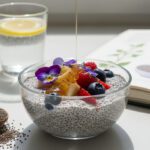
Overnight Chia and Hemp Seed Pudding
Chia seeds are a staple in many superfood recipes because they can absorb up to ten times their weight in liquid, creating a satisfying, pudding-like texture.
Ingredients:
-
3 tablespoons chia seeds
-
1 tablespoon hemp hearts
-
1 cup coconut milk
-
A dash of cinnamon and vanilla extract
Instructions:
Mix the ingredients in a glass jar and refrigerate overnight. In the morning, top with sliced almonds or fresh raspberries. This recipe is packed with plant-based protein and healthy fats, making it an ideal brain-boosting breakfast.
Lunch Superfood Recipes for Sustained Energy
Lunch should be about maintaining momentum. Heavy, processed meals often lead to a mid-afternoon slump, whereas superfood recipes focusing on complex carbohydrates and lean proteins keep the mind sharp.
Massaged Kale Salad with Quinoa and Pomegranate
Kale is often considered the king of greens. However, its tough texture can be off-putting. The secret to great kale-based superfood recipes is “massaging” the leaves with olive oil and lemon juice to break down the fibrous structure.
Ingredients:
-
1 bunch of curly kale, stems removed
-
1 cup cooked quinoa (a complete protein)
-
1/4 cup pomegranate seeds (high in punicalagins)
-
1/4 cup toasted pumpkin seeds (zinc source)
-
Lemon-tahini dressing
Instructions:
Massage the kale with a tablespoon of olive oil for 3 minutes until softened. Toss with the quinoa, seeds, and dressing. This salad provides a diverse array of textures and a massive dose of Vitamin K and folate.
Turmeric-Spiced Chickpea and Avocado Wraps
Turmeric is a powerful anti-inflammatory agent, especially when combined with black pepper to increase its bioavailability. This wrap is a portable way to enjoy superfood recipes on the go.
Ingredients:
-
1 can chickpeas, drained and rinsed
-
1 teaspoon turmeric powder
-
A pinch of black pepper
-
1 ripe avocado
-
Whole-grain or collard green wraps
Instructions:
Sauté the chickpeas with turmeric and pepper until warm. Mash the avocado onto your wrap, add the chickpeas, and top with sprouts. The healthy fats in the avocado help your body absorb the fat-soluble vitamins in the greens and chickpeas.
Dinner Superfood Recipes for Recovery and Longevity
Evening meals should focus on repair. Ingredients rich in magnesium can help relax muscles, while high-quality proteins assist in tissue regeneration.
Baked Wild Salmon with Asparagus and Walnuts
Wild-caught salmon is a premier ingredient in superfood recipes due to its high concentration of EPA and DHA omega-3 fatty acids, which are crucial for heart and brain health.
Ingredients:
-
2 salmon fillets
-
1 bunch of asparagus (prebiotic fiber)
-
1/4 cup crushed walnuts
-
Lemon slices and fresh dill
Instructions:
Place salmon and asparagus on a baking sheet. Top the salmon with crushed walnuts for added crunch and alpha-linolenic acid. Bake at 400°F (200°C) for 12–15 minutes. This meal is low in carbohydrates but incredibly high in essential nutrients.
Sweet Potato and Black Bean Power Bowls
Sweet potatoes are a nutritional powerhouse, offering high levels of beta-carotene, which the body converts into Vitamin A. This is one of the most comforting superfood recipes for cooler months.
Ingredients:
-
2 large sweet potatoes, cubed and roasted
-
1 cup black beans (fiber and protein)
-
1 cup steamed broccoli (sulforaphane source)
-
A drizzle of pumpkin seed oil
Instructions:
Assemble the roasted potatoes, beans, and broccoli in a bowl. Pumpkin seed oil adds a nutty flavor and a boost of Vitamin E. This combination ensures a slow release of energy, preventing late-night cravings.
The Role of Spices and Functional Ingredients
When crafting superfood recipes, do not overlook the power of spices. Ingredients like ginger, garlic, and cinnamon are not just for flavor; they possess medicinal properties. Ginger aids digestion, garlic supports the immune system, and cinnamon can help regulate blood sugar levels. Incorporating these into your cooking elevates standard meals into the realm of functional nutrition.
Furthermore, fermented foods like kimchi, sauerkraut, and kefir are essential additions to superfood recipes. They introduce beneficial probiotics into the gut microbiome, which is now understood to be a central pillar of overall health, affecting everything from mood to immunity.
Tips for Incorporating Superfood Recipes into a Busy Lifestyle
Consistency is the most important factor in nutrition. To make superfood recipes a permanent part of your life, consider the following strategies:
-
Batch Cooking: Prepare large quantities of grains like quinoa or farro and roasted vegetables over the weekend. This makes assembling superfood recipes during the week much faster.
-
Frozen is Fine: Frozen berries and greens are often frozen at peak ripeness, preserving their nutrient content. They are excellent for smoothies and stews.
-
Simple Swaps: Replace white rice with cauliflower rice or white pasta with lentil-based pasta. These small changes increase the nutrient density of your favorite meals without requiring a total dietary overhaul.
By focusing on whole, unprocessed ingredients and experimenting with different flavors, you can create a sustainable way of eating that feels like an indulgence rather than a restriction. Superfood recipes are more than just a diet; they are an investment in your future health.
Incorporating Superfoods into Snacks and Beverages
Superfood recipes aren’t limited to main meals. Snacks and beverages provide an excellent opportunity to boost your daily nutrient intake without requiring a full meal preparation. For instance, roasted chickpeas seasoned with turmeric, smoked paprika, and a pinch of sea salt create a crunchy, protein-rich snack, while matcha lattes or golden milk made with turmeric and almond milk offer an antioxidant-packed beverage option. These simple additions can help maintain energy levels and support overall wellness throughout the day.
Seasonal and Local Superfoods for Optimal Nutrition
When planning superfood recipes, it’s important to consider seasonality and local sourcing. Fruits and vegetables grown in their natural season tend to have higher nutrient density and better flavor. Incorporating local superfoods—such as berries, leafy greens, or root vegetables—also supports sustainable agriculture and reduces the carbon footprint associated with imported produce. By aligning your diet with the rhythms of nature, you not only enhance your health but also connect more consciously with the food you consume.
Conclusion
Embracing superfood recipes is a powerful way to take control of your health. By prioritizing nutrient-dense ingredients like leafy greens, vibrant berries, healthy fats, and lean proteins, you provide your body with the essential building blocks it needs to thrive. Remember that the key to success is variety and consistency. You do not need to overhaul your entire pantry overnight; instead, start by incorporating one or two of these recipes into your weekly routine. Over time, these small changes will lead to increased energy, improved mental clarity, and a stronger immune system. Your journey toward optimal health begins with the very next meal you prepare.
Want to read more Famous Food about click here
Big Shoutout to the guys who made this blog happen UDM
Frequently Asked Questions (FAQ)
What makes a food a “superfood”?
A superfood is a nutrient-rich food considered to be especially beneficial for health and well-being. These foods typically contain high levels of antioxidants, vitamins, and minerals that help protect the body against chronic diseases and oxidative stress.
Are superfood recipes expensive to make?
While some specialty items can be pricey, many staples of superfood recipes are very affordable. Ingredients like beans, lentils, sweet potatoes, spinach, and frozen berries provide incredible nutritional value at a low cost per serving. Buying in bulk and choosing seasonal produce can also help reduce expenses.
Can I lose weight by eating superfood recipes?
Yes, superfood recipes can be an effective part of a weight loss plan. Because these recipes are high in fiber and protein, they tend to be more satiating than processed foods, helping you feel full longer and reducing overall calorie intake while ensuring your body receives the nutrients it needs.