French cooking is famous worldwide for its tasty flavors, classic recipes, and careful ways of cooking. From buttery croissants to rich sauces and hearty stews, French food uses fresh ingredients and simple steps to make delicious meals. Whether you want a quick dinner or a special meal, French cooking has something for everyone. It’s not just about the food—it’s about enjoying cooking and sharing good times with others
French Cooking: An Easy Guide to a Special Style of Food
French cooking is more than just making meals—it’s a unique way of preparing and enjoying food. Known around the world for its flavor, beauty, and tradition, French cuisine has inspired cooks everywhere.
In this guide, you’ll learn what makes French cooking special, how it started, and how you can enjoy a taste of France at home.
A Short History of French Food
French food has a long and rich history. It began in the royal kitchens, where chefs made fancy dishes for kings and queens. Later, famous chefs like Marie-Antoine Carême and Auguste Escoffier helped organize French cooking. They created rules and methods that many chefs still use today.
Thanks to these chefs, French food became known for its technique, structure, and elegance.
Easy French Cooking Techniques
In French cooking, how you cook is just as important as what you cook. Here are some basic techniques that make French food so special:
Sautéing
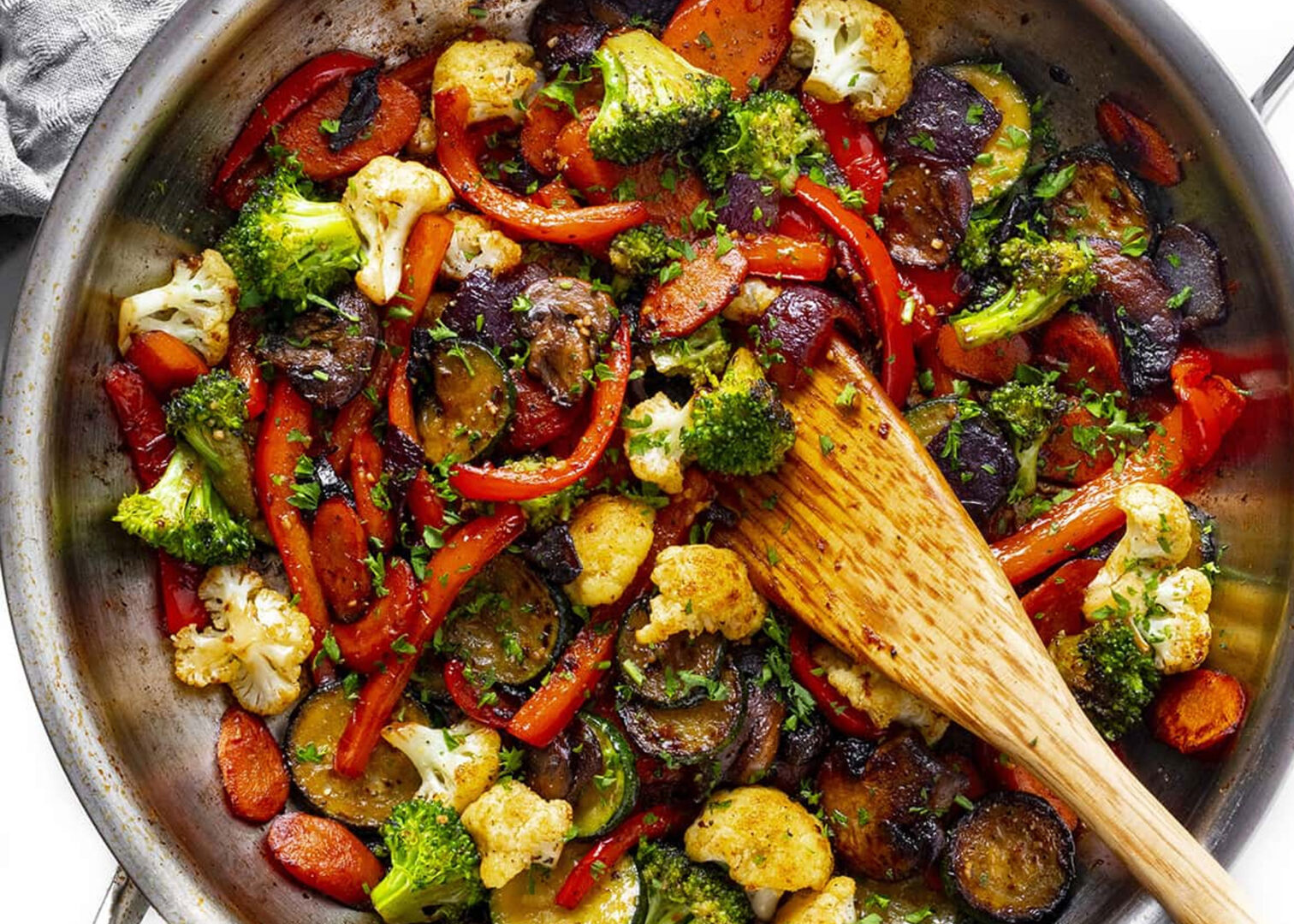
Sautéing means cooking food quickly in a small amount of oil or butter in a hot pan. The word comes from French and means “to jump,” because the food sizzles and moves a little in the pan.
This cooking method is used to make food tasty, a little crispy or golden on the outside, but still soft inside.
How to Sauté – Step by Step
-
Heat the pan – Put your pan on the stove and turn on the heat to medium-high. Let it get hot for a few seconds.
-
Add oil or butter – Put a small amount of oil or butter in the pan. It should cover the bottom lightly.
-
Wait a little – Let the oil get hot (it should shine) or let the butter melt and bubble.
-
Add the food – Put your food in the pan in one layer. Don’t put too much in at once.
-
Cook and stir – Cook for a few minutes, stirring or flipping the food until it’s brown or golden.
-
Check if it’s done – The food should be cooked all the way through and look a little crispy.
What Foods Can You Sauté?
-
Vegetables – like onions, mushrooms, spinach, or zucchini
-
Meat – like chicken, beef, or pork (cut into small pieces)
-
Seafood – like shrimp or fish
-
Tofu – great for vegetarian meals
Easy Tips for Sautéing
-
Hot pan = better cooking – A hot pan helps your food cook fast and get a nice color.
-
Dry your food first – Use a paper towel to dry the food before putting it in the pan. Wet food can make it soggy.
-
Don’t stir too much – Let the food sit for a bit so it can brown.
-
Use a little oil – Just enough to cover the pan, not too much.
Why Do French Cooks Sauté?
French chefs use sautéing a lot because:
-
It makes food taste better
-
It gives food a nice color and texture
-
It’s quick and easy
-
It’s used in many French recipes (like stews, sauces, and soups)
For example, when making ratatouille, the vegetables are sautéed first. When cooking beef stew (boeuf bourguignon), the beef and onions are sautéed before adding other ingredients.
Braising
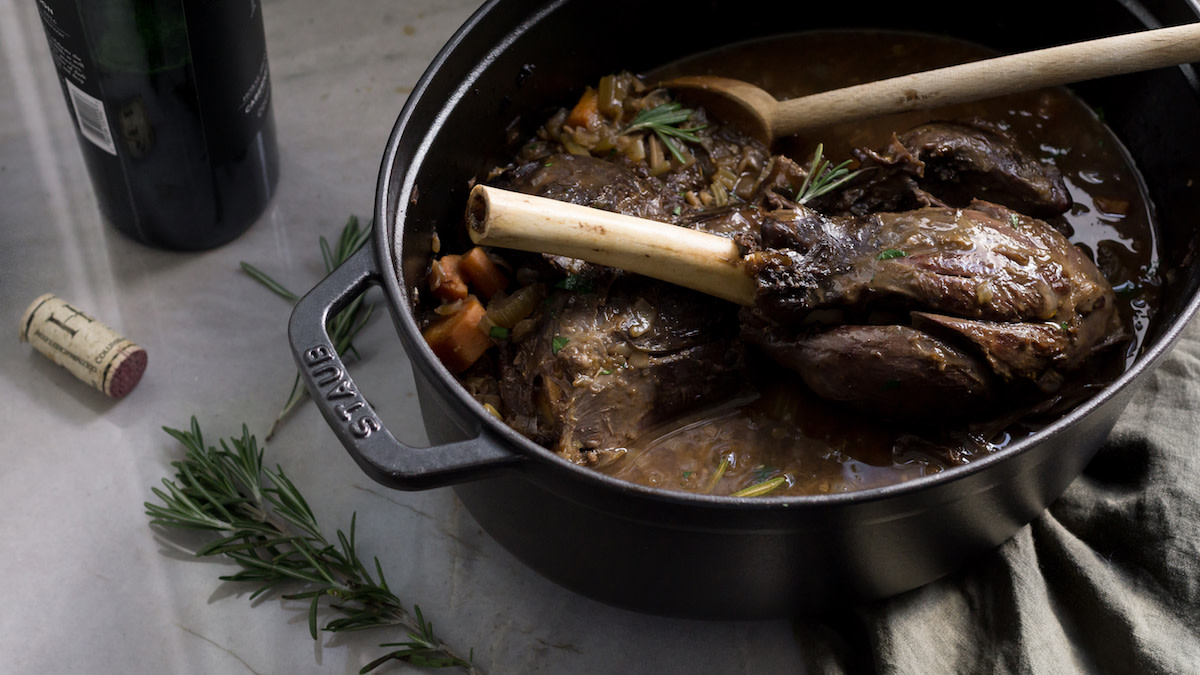
Braising is a way of cooking meat slowly in a small amount of liquid to make it soft and tender. It’s perfect for meats that are usually tough or chewy.
How It Works – Step by Step
-
Brown the Meat
First, cook the meat in a hot pan with a little oil until it turns brown. This adds flavor. -
Add Liquid
After browning, add a small amount of liquid like water, broth, wine, or sauce. You don’t need to cover the meat—just enough to come about halfway up. -
Cook Slowly
Cover the pot with a lid and cook the meat slowly on low heat. You can do this on the stove or in the oven. It usually takes a few hours. -
Let it Rest
After cooking, let the meat sit in the liquid for a bit. This helps it soak up even more flavor.
Best Meats for Braising
Braising works best with tough cuts of meat like:
-
Chuck roast
-
Brisket
-
Pork shoulder
-
Short ribs
-
Lamb shanks
These cuts become soft and juicy when cooked slowly.
Why Braise?
-
Makes tough meat soft and delicious
-
Builds deep, rich flavors
-
Great for one-pot meals (you can add veggies too!)
-
Easy to make ahead—tastes even better the next day
Tips for Success
-
-
Use a heavy pot with a lid (like a Dutch oven)
-
Brown the meat well for extra flavor
-
Cook low and slow – don’t rush
-
Add herbs, garlic, onions, or spices for more taste
-
You can braise on the stove or in the oven
-
Poaching
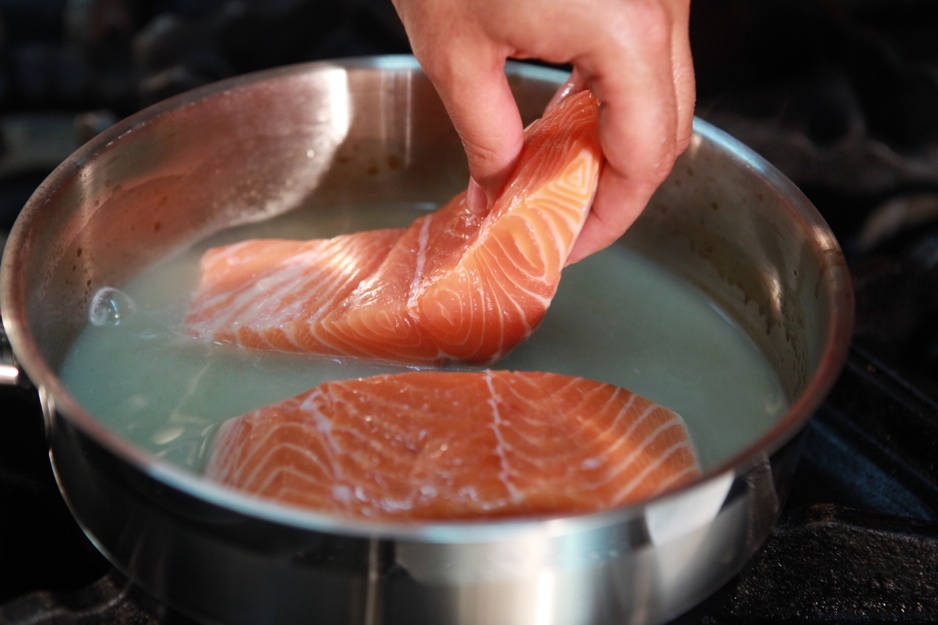
Poaching is a way of cooking food gently in hot liquid like water, broth, milk, or even juice. The liquid is hot but not boiling—just lightly simmering. This keeps the food soft, juicy, and full of flavor.
How Hot Should the Water Be?
-
The liquid should be hot but not bubbling hard.
-
You’ll see a few small bubbles, but it shouldn’t be boiling.
How to Poach – Step by Step
-
Heat the Liquid
Warm water, broth, or another liquid in a pot. You can add things like herbs, garlic, or lemon for extra flavor. -
Add the Food
Gently place your food into the hot liquid. -
Cook Slowly
Let it cook slowly in the hot liquid until it’s done. No fast boiling—just a soft simmer. -
Take it Out and Serve
When the food is fully cooked, carefully take it out and serve. It should be soft, moist, and tender.
Best Foods to Poach
Poaching is great for soft, delicate foods like:
-
Eggs (like poached eggs)
-
Chicken breasts
-
Fish and seafood
-
Fruits (like pears or apples)
-
Tofu
Why Use Poaching?
-
Keeps food soft and juicy
-
Healthy – no frying or extra oil
-
Easy and gentle way to cook
-
Great flavor if you use herbs or spices in the liquid
Easy Poaching Tips
-
Don’t boil the water—keep it just gently hot.
-
Use a deep pot so the food is mostly covered.
-
Add flavor with herbs, spices, or lemon slices.
You can use poached chicken or fish in salads, sandwiches, or soups.
Deglazing
Deglazing means adding liquid to a hot pan after cooking to lift the tasty brown bits stuck to the bottom. These bits have a lot of flavor and can be turned into a yummy sauce.
When Do You Deglaze?
After you cook something in a pan—like chicken, steak, or veggies—you’ll often see brown bits stuck at the bottom.
Those bits are not burnt—they’re full of flavor! Deglazing helps you use them to make your dish even better.
How to Deglaze – Step by Step
-
Take Out the Food
Once the food is cooked, remove it from the pan, but leave the brown bits. -
Add a Little Liquid
Pour a small amount of liquid into the hot pan—like water, broth, or wine.
The pan will sizzle—that’s okay! -
Scrape the Bottom
Use a wooden spoon to gently scrape the brown bits off the bottom of the pan. They will mix into the liquid. -
Let It Cook
Let the liquid bubble for a few minutes.
Now you have a simple, tasty sauce!
What Liquids Can You Use?
You can use:
-
Water
-
Broth
-
Wine
-
Juice
-
A splash of vinegar or lemon juice
Each one gives a different flavor to your sauce.
Why Is Deglazing Good?
-
Makes your food taste better
-
Turns simple pan bits into a yummy sauce
-
Uses everything in the pan—nothing goes to waste
-
Quick and easy!
When to Use Deglazing
-
After cooking meat or veggies in a pan
-
To make a fast sauce for steak, chicken, or fish
To add flavor to soups, stews, or gravies
Emulsifying
Emulsifying means mixing two liquids that don’t normally mix, like oil and vinegar, so they become one smooth sauce.
Why Don’t They Mix?
Oil and vinegar are different—oil is oily and vinegar is watery. Usually, oil just floats on top of vinegar.
How to Emulsify
If you stir, whisk, or shake oil and vinegar really well, tiny drops of oil spread out evenly in the vinegar. This stops them from separating right away and makes a nice smooth sauce.
Examples of Emulsified Sauces
-
Salad dressings (like vinaigrette)
-
Mayonnaise
-
Hollandaise sauce
-
Aioli
Why Emulsify?
-
Makes sauces smooth and creamy
-
Helps mix flavors together
-
Gives dressings and dips a nice texture
Easy Tips for Emulsifying
-
Add oil slowly while stirring so it mixes better
-
Use a blender or whisk for faster mixing
-
Adding egg yolk or mustard helps keep it mixed longer
The Five “Mother Sauces”
French cuisine is also known for its five base sauces, called Mother Sauces:
-
Béchamel – creamy white sauce made with milk
-
Velouté – a light, silky sauce made with stock
-
Espagnole – rich brown sauce
-
Hollandaise – egg and butter sauce
-
Tomato – smooth, cooked tomato sauce
Once you learn these, you can make many other sauces and dishes.
Regional French Food: Different Tastes from Different Places
Each part of France has its own cooking style, based on local ingredients and traditions.
Northern France
-
Uses more butter, cream, and apples
-
Popular dishes: Quiche Lorraine, creamy soups, apple tarts
Southern France
-
Uses olive oil, tomatoes, garlic, and herbs
-
Popular dishes: Ratatouille, Bouillabaisse (fish stew), fresh salads
Central France
-
Known for slow-cooked, warm meals
-
Popular dishes: Boeuf Bourguignon, Duck Confit
Eastern France (Alsace)
-
Influenced by German-style food
-
Popular dishes: sausages, sauerkraut, and beer-flavored meals
What Ingredients Are Used in French Cooking?
French recipes often use simple, fresh ingredients that are full of flavor. Here are some common ones:
-
Butter and cream – for richness and texture
-
Cheese – such as Brie, Camembert, Roquefort
-
Herbs – parsley, thyme, tarragon, and more
-
Wine – used for flavor in sauces and cooking
-
Vegetables – like leeks, mushrooms, onions, and potatoes
French Meal Style: Eating the French Way
In France, meals are not rushed. They are slow and enjoyed with family or friends. A typical French meal includes:
-
Starter – soup, salad, or a small dish
-
Main course – meat or fish with sides
-
Cheese course – a few pieces of cheese
-
Dessert – something sweet like a tart or mousse
-
Coffee – usually black and strong
-
Digestif – a small drink like brandy (optional)
This relaxed style helps people enjoy their food and time together.
French Desserts and Pastries
French desserts are loved all over the world. Here are some favorites:
-
Croissants – flaky, buttery pastries for breakfast
-
Éclairs – filled with cream and topped with chocolate
-
Macarons – sweet, colorful sandwich cookies
-
Crème Brûlée – creamy custard with a crisp sugar top
-
Tarte Tatin – an upside-down apple tart
These desserts are beautiful, tasty, and often fun to make at home.
French Cooking Today
Modern French chefs are mixing old traditions with new ideas. They often:
-
Use fresh, local ingredients
-
Create lighter and healthier meals
-
Make creative, artistic presentations
Today, you can even find vegan and gluten-free versions of classic French dishes, so everyone can enjoy them!
Why You Should Try French Cooking
French cooking isn’t just for restaurants or professional chefs. It’s great for home cooks too! Here’s why you should try it:
-
You’ll learn useful cooking skills
-
You’ll enjoy food in a new and meaningful way
-
You’ll connect with French culture and history
-
You’ll turn everyday meals into something special
You can start simple—with a green salad, onion soup, or a classic French omelette. As you practice, you’ll gain confidence and enjoy the process more and more.
FAQs
1. What is French cooking known for?
French cooking is famous for rich flavors, careful techniques, and classic dishes like baguettes, sauces, cheese, and pastries.
2. What are some basic French cooking techniques?
Common techniques include sautéing, braising, poaching, roasting, and making sauces like béchamel and hollandaise.
3. What is the “mirepoix”?
Mirepoix is a mix of chopped onions, carrots, and celery. It’s used as a flavor base in many French dishes.
4. What is the difference between sautéing and frying?
Sautéing cooks food quickly in a small amount of oil over high heat. Frying uses more oil and can be deeper or shallow.
5. What is “roux” and why is it important?
Roux is a mix of flour and fat (usually butter) cooked together. It’s used to thicken sauces and soups.
6. Why are sauces important in French cooking?
Sauces add flavor, moisture, and richness to dishes. French cuisine has many classic sauces like béchamel, velouté, and demi-glace.
7. What is “emulsifying” in French cooking?
It means mixing two liquids (like oil and vinegar) that usually don’t mix well to make a smooth sauce.
8. How do French chefs make meat tender?
They often use slow cooking methods like braising or poaching to break down tough fibers and make meat soft.
9. What are common herbs used in French cooking?
Herbs like thyme, rosemary, tarragon, bay leaf, and parsley are popular.
10. Can I cook French food at home easily?
Yes! Start with simple recipes like ratatouille, quiche, or French onion soup and practice basic techniques.
Final Thoughts
French cooking is about care, flavor, and enjoying the moment. It’s not just about what’s on the plate—it’s about the experience.
So light a candle, play some soft music, and enjoy cooking like you’re in a cozy kitchen in Paris.
want to read more artical visit our website
Big Shoutout to the guys who made this blog happen UDM.