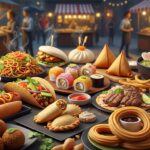
Traditional dishes by country Food is more than just a way to satisfy hunger—it’s a window into a country’s culture, history, and traditions. Every nation has dishes that have been passed down through generations, each telling a story of the people, their land, and their way of life. From the aromatic spices of India to the delicate pastries of France, traditional foods give us a taste of a country’s soul.
Exploring iconic dishes from around the world allows us to travel without leaving our homes. Whether it’s the comforting warmth of Italian pasta, the bold flavors of Mexican tacos, or the fresh, delicate taste of Japanese sushi, every dish offers a unique experience. In this article, we’ll take you on a culinary journey across continents, discovering the most famous and beloved traditional foods from countries around the globe.
Traditional Dishes by Country: Iconic Foods From Around the World
Food is one of the most enjoyable ways to experience the world. Every country has dishes that are more than just meals—they tell stories of history, culture, and tradition. Exploring traditional foods from different countries allows us to travel with our taste buds. In this guide, we’ll explore iconic dishes from around the world, their origins, and what makes them special.
Italy – Pizza, Pasta, and More
Italy is a country where food is an art. Italian cuisine is famous worldwide for its fresh ingredients, bold flavors, and simplicity.
-
Pizza: Originating in Naples, pizza is a flatbread topped with tomato sauce, mozzarella cheese, and various ingredients like basil, mushrooms, or pepperoni. The classic Margherita pizza reflects the colors of the Italian flag: red (tomato), white (mozzarella), and green (basil).
-
Pasta: Italy has hundreds of pasta shapes and sauces. From spaghetti carbonara in Rome to lasagna in Emilia-Romagna, pasta is a versatile dish that varies regionally.
-
Risotto: A creamy rice dish cooked slowly with broth, often flavored with saffron, mushrooms, or seafood.
Fun Fact: Italians believe that using the freshest ingredients is more important than complicated cooking techniques.
Japan – Sushi, Ramen, and Tempura
Japanese cuisine is famous for its attention to detail, freshness, and harmony of flavors.
-
Sushi: A combination of vinegared rice and fresh seafood, vegetables, or eggs. Nigiri, sashimi, and rolls are popular types.
-
Ramen: A comforting noodle soup with meat, vegetables, and flavorful broth. Regional variations like tonkotsu ramen in Kyushu (pork bone broth) or shoyu ramen in Tokyo highlight local tastes.
-
Tempura: Seafood or vegetables lightly battered and fried to a crispy perfection, usually served with a dipping sauce.
Fun Fact: Slurping noodles in Japan is a sign of enjoyment and is considered polite.
Mexico – Tacos, Mole, and Tamales
Mexican food is a celebration of color, flavor, and tradition.
-
Tacos: Corn or flour tortillas filled with meats, beans, cheese, and fresh vegetables. Tacos can be as simple as taco al pastor (marinated pork) or loaded with multiple toppings.
-
Mole: A complex sauce made with chilies, chocolate, spices, and nuts, often served with chicken or turkey.
-
Tamales: Corn dough filled with meat, cheese, or vegetables, wrapped in corn husks, and steamed.
Fun Fact: UNESCO recognized Mexican cuisine as an Intangible Cultural Heritage of Humanity because of its deep historical roots.
France – Croissants, Coq au Vin, and Ratatouille
France is synonymous with gourmet cuisine, pastries, and culinary artistry.
-
Croissants: Flaky, buttery pastries perfect for breakfast with coffee.
-
Coq au Vin: Chicken braised in red wine with mushrooms, onions, and bacon, representing traditional French home cooking.
-
Ratatouille: A vegetable stew from Provence made with eggplant, zucchini, peppers, and tomatoes, seasoned with herbs.
Fun Fact: French cuisine emphasizes “terroir,” the idea that local ingredients and environments shape the flavor of the food.
India – Biryani, Masala Dosa, and Butter Chicken
Indian food is rich, spicy, and full of flavors. Each region offers unique dishes.
-
Biryani: Fragrant rice layered with marinated meat, saffron, and spices, often served with raita (yogurt sauce).
-
Masala Dosa: A thin, crispy rice crepe filled with spiced potato, served with coconut chutney and lentil soup.
-
Butter Chicken: Creamy tomato-based curry with tender chicken pieces, often enjoyed with naan bread.
Fun Fact: India has over 1,000 traditional dishes, reflecting its vast diversity of regions, cultures, and religions.
Thailand – Pad Thai, Tom Yum, and Green Curry
Thai cuisine is known for balancing sweet, sour, salty, and spicy flavors.
-
Pad Thai: Stir-fried rice noodles with eggs, tofu, shrimp, and peanuts, often garnished with lime.
-
Tom Yum: Hot and sour soup with lemongrass, lime leaves, chili, and shrimp or chicken.
-
Green Curry: Coconut milk-based curry with green chilies, vegetables, and meat or tofu.
Fun Fact: Fresh herbs like cilantro, basil, and lemongrass are essential to Thai cooking, providing flavor and aroma.
China – Peking Duck, Dumplings, and Hot Pot
Chinese cuisine has centuries of history and regional diversity.
-
Peking Duck: Crispy roasted duck served with pancakes, hoisin sauce, and scallions.
-
Dumplings: Filled with pork, vegetables, or seafood, they are staples during Lunar New Year.
-
Hot Pot: A communal meal where diners cook meats, seafood, and vegetables in boiling broth at the table.
Fun Fact: Chinese meals are often shared, emphasizing family, friendship, and community.
Spain – Paella, Tapas, and Gazpacho
Spanish cuisine is colorful and meant for sharing.
-
Paella: A rice dish with saffron, seafood, chicken, and vegetables, originating in Valencia.
-
Tapas: Small plates like olives, chorizo, and patatas bravas served in bars for social dining.
-
Gazpacho: Cold tomato-based soup from Andalusia, perfect for summer.
Fun Fact: Spaniards enjoy “tapeo,” hopping from bar to bar to taste different tapas with drinks.
Greece – Moussaka, Souvlaki, and Greek Salad
Greek cuisine reflects the Mediterranean diet, emphasizing olive oil, fresh vegetables, and seafood.
-
Moussaka: Layers of eggplant, potatoes, minced meat, and béchamel sauce baked to perfection.
-
Souvlaki: Grilled meat skewers served with pita and tzatziki.
-
Greek Salad: Fresh vegetables with feta cheese, olives, and olive oil dressing.
Fun Fact: Olive oil is central to Greek cuisine, used in nearly every dish from cooking to dressing.
United States – Burgers, Apple Pie, and BBQ
American cuisine is a mix of cultures and flavors, reflecting its history.
-
Burgers: Ground beef patties served in buns with cheese, lettuce, tomato, and condiments.
-
Apple Pie: A classic dessert symbolizing comfort and tradition.
-
BBQ: Slow-cooked meats with smoky flavors, especially famous in Texas and the southern states.
Fun Fact: “As American as apple pie” shows how iconic this dessert is in U.S. culture.
Other Notable Countries and Dishes
Lebanon – Hummus and Kibbeh
Lebanese cuisine is rich in flavor and healthy ingredients.
-
Hummus: Creamy chickpea dip with tahini, olive oil, and garlic.
-
Kibbeh: Spiced ground meat with bulgur wheat, often fried or baked.
Morocco – Couscous and Tagine
Moroccan food blends spices, fruits, and grains.
-
Couscous: Steamed semolina served with vegetables, meat, and broth.
-
Tagine: Slow-cooked stew of meat, vegetables, and aromatic spices.
Korea – Kimchi and Bibimbap
Korean cuisine is bold and fermented flavors are common.
-
Kimchi: Spicy fermented vegetables, mainly cabbage and radish.
-
Bibimbap: Mixed rice with vegetables, meat, egg, and chili paste.
Turkey – Kebab and Baklava
Turkish food combines Middle Eastern and Mediterranean influences.
-
Kebab: Grilled or roasted meat, often served with rice and vegetables.
-
Baklava: Sweet pastry made with layers of filo, nuts, and syrup.
FAQs
1. What are traditional dishes?
Traditional dishes are meals that have been passed down through generations in a country or region. They often reflect local ingredients, culture, and history.
2. Why is it important to try traditional foods when traveling?
Trying traditional foods helps you experience a country’s culture and heritage. It’s a way to understand local flavors, customs, and even history through cuisine.
3. Which countries have the most famous traditional foods?
Countries like Italy, Japan, India, Mexico, France, Thailand, and China are famous for their traditional dishes. However, nearly every country has iconic meals that are worth trying.
4. Can traditional dishes be made at home?
Yes! Many traditional dishes have simple versions that can be prepared at home with common ingredients. Some dishes may require special spices or techniques to get the authentic flavor.
5. What are some easy traditional dishes to try first?
Easy dishes for beginners include Italian pasta, Japanese sushi rolls (with cooked ingredients), Mexican tacos, Greek salad, and French crepes. These dishes are simple, delicious, and give a taste of the country’s cuisine.
6. Are traditional dishes healthy?
Many traditional dishes are healthy, especially those made with fresh vegetables, lean proteins, and natural ingredients. However, some can be rich or heavy, like creamy curries or pastries. Moderation is key.
7. How do traditional dishes differ from modern cuisine?
Traditional dishes follow recipes and techniques passed down over generations, while modern cuisine often experiments with fusion flavors, presentation, and ingredients. Traditional foods usually have cultural or historical significance.
8. Where can I find authentic traditional dishes?
Authentic traditional dishes can be found in local restaurants, family-run eateries, food markets, and during cultural festivals. Traveling to the country is the best way, but some cities worldwide have authentic international restaurants.
Conclusion
Exploring traditional dishes around the world is like taking a journey without leaving home. Each dish tells a story of the country, its people, and its culture. From the aromatic biryanis of India to the crispy croissants of France, these iconic foods are delicious gateways into history and tradition.
Food connects us across cultures, reminds us of home, and lets us experience the world one bite at a time. Whether you’re traveling abroad or cooking at home, trying these dishes is a way to celebrate global diversity and enjoy some incredible flavors.
Want to read more Famous Food about click here
Big Shoutout to the guys who made this blog happen UDM,
- https://famousfoodblog.com/slow-cooker-chicken-with-herbs-recipe-effortless-flavor/
- https://famousfoodblog.com/affordable-family-meals-delicious-budget-friendly/
- https://famousfoodblog.com/global-breakfast-traditions-a-culinary-journey/
- https://famousfoodblog.com/meal-prep-lunchbox-ideas-healthy-easy-meals/