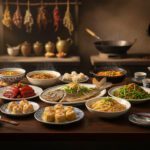
Traditional Food: A Culinary Journey Through History and Culture
Traditional food represents more than just sustenance; it is a profound connection to a region’s history, its people, and its very soul. These culinary practices, passed down through generations, encapsulate the wisdom, resources, and cultural values of a community. Indeed, understanding traditional food offers a unique window into the past, revealing how societies have adapted to their environments, celebrated their beliefs, and forged their identities through the act of eating. This article delves deep into the essence of traditional food, exploring its significance, evolution, and enduring appeal in a rapidly changing world.
What is Traditional Food? Defining Culinary Heritage
Defining traditional food goes beyond merely listing old recipes. It encompasses a complex interplay of ingredients, preparation methods, and cultural rituals that have stood the test of time. Essentially, traditional food refers to dishes and culinary practices that are deeply rooted in a particular culture, region, or community, often having been prepared and consumed for many generations. Moreover, these foods are typically made from locally sourced ingredients and reflect the agricultural practices and environmental conditions of their origin.
The Essence of Authenticity
Authenticity is a hallmark of traditional food. It speaks to the integrity of the ingredients and the fidelity to time-honored preparation techniques. For example, a truly traditional dish will often use ingredients that are native or have a long history of cultivation in the region. Furthermore, the cooking methods, whether slow-roasting, fermenting, or stone-grinding, are often specific to the cultural context and contribute significantly to the dish’s unique flavor profile and texture. Consequently, this adherence to tradition ensures that the food retains its original character and taste, offering an experience that is both genuine and historically resonant.
Regional Variations and Local Ingredients
One of the most fascinating aspects of traditional food is its incredible regional diversity. Every country, and often every region within a country, boasts its own unique culinary traditions, shaped by climate, geography, and historical influences. In addition, local ingredients play a pivotal role in defining these variations. Consider Italian pasta, which varies dramatically from the rich, egg-based pastas of the north to the durum wheat varieties of the south. Similarly, the diverse spices and cooking techniques found across India showcase how local produce and historical trade routes have shaped distinct regional cuisines. Therefore, these local ingredients are not just components; they are storytellers of the land and its people.
The Cultural Significance of Traditional Food
The importance of traditional food extends far beyond its nutritional value; it is a cornerstone of cultural identity and social cohesion. It serves as a powerful medium through which communities express their heritage, celebrate their milestones, and pass on their values to future generations. Hence, the dishes we eat often carry layers of meaning, connecting us to our ancestors and our collective past.
Preserving Identity and Heritage
Traditional food acts as a tangible link to a community’s heritage. In many cultures, specific dishes are intrinsically tied to historical events, religious practices, or significant family traditions. For instance, the preparation of certain foods during festivals or holidays reinforces cultural identity and strengthens communal bonds. Moreover, the act of cooking and sharing these foods helps to preserve linguistic traditions, traditional knowledge, and unique storytelling associated with each dish. Consequently, protecting these culinary traditions is vital for safeguarding a community’s unique identity in an increasingly globalized world.
Food as a Social Connector
Sharing traditional food is a universal act of hospitality and community building. Meals often serve as central events where families gather, friends reconnect, and strangers become acquaintances. Indeed, the communal table fosters conversation, laughter, and the sharing of stories, thereby strengthening social ties. Think of the elaborate Sunday dinners in many Western cultures or the communal Iftar meals during Ramadan; these are more than just eating occasions—they are powerful social rituals. Therefore, traditional food facilitates a sense of belonging and collective memory.
Rituals, Celebrations, and Seasonal Feasts
Many traditional foods are inextricably linked to specific rituals, celebrations, and seasonal cycles. Harvest festivals, weddings, religious holidays, and rites of passage often feature particular dishes that hold symbolic meaning. For example, specific pastries might be prepared only during Christmas, or special stews for a harvest celebration. These seasonal feasts not only mark the passage of time but also reinforce cultural values and beliefs. Furthermore, the preparation of these foods often involves elaborate processes, becoming a collective effort that brings families and communities together in shared purpose and joy.
The Evolution and Adaptation of Traditional Food
While the essence of traditional food lies in its historical roots, it is not static. Culinary traditions evolve, adapting to new ingredients, technologies, and cultural exchanges. This dynamic nature allows traditional foods to remain relevant while retaining their core identity.
From Ancient Recipes to Modern Tables
Throughout history, traditional food has undergone countless transformations. Ancient recipes, often dictated by available resources and rudimentary cooking methods, have been refined and diversified over centuries. The introduction of new ingredients through trade, such as tomatoes in Italy or chilies in India, profoundly reshaped local cuisines. However, despite these changes, the fundamental character and cultural significance of many dishes have endured. Therefore, traditional food demonstrates remarkable resilience and adaptability, continuously finding its place on modern tables.
Challenges in Preserving Culinary Traditions
In the modern era, traditional food faces several challenges. Globalization, with its emphasis on convenience and mass production, can dilute authentic culinary practices. Additionally, the loss of traditional agricultural methods, the decline of local markets, and the migration of populations can all threaten the transmission of traditional food knowledge. Furthermore, changing lifestyles and dietary preferences sometimes lead younger generations away from time-consuming traditional preparations. Consequently, efforts to document, teach, and celebrate these culinary traditions are more important than ever.
The Role of Globalization and Fusion Cuisine
Globalization has undeniably brought new ingredients and cooking techniques to every corner of the world. While it poses challenges to authenticity, it also offers opportunities for innovation. Fusion cuisine, which blends elements from different culinary traditions, is a direct result of this global exchange. While not strictly traditional, successful fusion dishes often draw inspiration from traditional flavors and techniques, introducing them to new audiences. However, it is crucial that this fusion respects the origins and integrity of the traditional components, rather than simply appropriating them without understanding.
Health Benefits and Sustainable Practices
Beyond cultural value, many traditional food systems offer significant health benefits and promote sustainable practices. These ancestral ways of eating often prioritize whole, unprocessed ingredients and seasonal consumption, aligning with modern nutritional advice.
Nutritional Value of Ancestral Diets
Many traditional diets are inherently healthy. They typically feature a high intake of fresh vegetables, fruits, whole grains, and lean proteins, often sourced locally. Moreover, traditional cooking methods like fermentation (e.g., kimchi, sourdough) enhance nutrient availability and promote gut health. In contrast to modern processed foods, traditional meals are often rich in fiber, vitamins, and minerals, contributing to overall well-being. Therefore, re-embracing aspects of traditional food can be a powerful step towards healthier eating habits.
Farm-to-Table and Local Sourcing
Traditional food systems naturally embody the principles of farm-to-table and local sourcing. Historically, communities relied on what they could grow or forage in their immediate environment. This approach minimizes transportation costs, supports local economies, and ensures the freshness of ingredients. Furthermore, it often promotes biodiversity and sustainable agricultural practices that are attuned to the local ecosystem. Consequently, advocating for traditional food often aligns with broader movements for environmental sustainability and food sovereignty.
How to Experience and Appreciate Traditional Food
Engaging with traditional food is a rewarding experience that offers a deeper understanding of global cultures. There are numerous ways to explore and appreciate these culinary treasures, from active participation to conscious consumption.
Exploring Local Markets and Festivals
One of the best ways to experience traditional food is by visiting local markets and food festivals. These vibrant hubs showcase the region’s culinary diversity, offering fresh, seasonal produce and ready-to-eat traditional dishes. Moreover, engaging with local vendors and artisans provides insights into the history and preparation of the food. Festivals, in particular, often feature specific traditional foods tied to celebrations, making them a rich cultural immersion. Therefore, these venues are invaluable for authentic culinary exploration.
Learning Traditional Cooking Techniques
For those who wish to delve deeper, learning traditional cooking techniques is an excellent path. This could involve taking cooking classes, apprenticing with experienced home cooks, or even exploring historical cookbooks. Understanding the methods—from hand-grinding spices to slow-cooking in earthenware—not only enhances appreciation for the food but also connects one directly to the culinary heritage. Furthermore, mastering these techniques allows for the recreation of authentic flavors at home, preserving the tradition personally.
Supporting Indigenous Food Systems
Supporting indigenous food systems is crucial for the preservation of traditional food globally. This means seeking out and purchasing products from indigenous communities, learning about their food traditions, and advocating for their rights to maintain their land and cultural practices. Indigenous food systems often represent some of the oldest and most sustainable culinary traditions, holding invaluable knowledge about local ecosystems and resilient food production. Consequently, conscious consumer choices can play a significant role in sustaining these vital traditions for future generations.
Conclusion
Traditional food is a vibrant tapestry woven from history, culture, and community. It serves as a powerful testament to human ingenuity, adapting through time while retaining its profound significance. From defining cultural identity and fostering social bonds to offering inherent health benefits and promoting sustainable practices, the value of traditional food is immense. As we navigate an increasingly globalized world, cherishing and preserving these culinary legacies becomes paramount. By actively engaging with, learning about, and supporting traditional food, we not only savor incredible flavors but also safeguard a vital part of our shared human heritage for generations to come.
Want to read more Famous Food about click here
Big Shoutout to the guys who made this blog happen UDM.
Frequently Asked Questions (FAQ)
Q1: What makes a food “traditional”?
A1: A food is considered “traditional” if it has been prepared and consumed by a particular culture, region, or community for many generations, often using locally sourced ingredients and time-honored preparation methods. It is deeply rooted in the cultural heritage and practices of its origin.
Q2: Why is it important to preserve traditional food?
A2: Preserving traditional food is crucial for several reasons: it safeguards cultural identity and heritage, maintains biodiversity through local ingredients, promotes sustainable agricultural practices, and often provides significant health benefits through whole, unprocessed foods. It also strengthens community bonds and transmits valuable knowledge across generations.
Q3: How can I explore and support traditional food?
A3: You can explore and support traditional food by visiting local markets and food festivals, taking cooking classes to learn traditional techniques, trying authentic dishes at local eateries, and consciously choosing products from indigenous or local producers. Additionally, sharing and discussing these foods with others helps raise awareness and appreciation.
- https://famousfoodblog.com/diet-friendly-recipes-delicious-healthy-meals/
- https://famousfoodblog.com/sugar-free-recipes-delicious-healthy-options/
- https://famousfoodblog.com/cheeses-pizza-a-deep-dive-into-dairy-delights/
- https://famousfoodblog.com/healthy-soups-nourishing-bowls-for-a-better-you/
- https://famousfoodblog.com/food-history-a-journey-through-culinary-evolution/