Kashmir is not only known for its breathtaking valleys and snow-covered mountains but also for its rich and flavorful cuisine. Traditional Kashmiri recipes carry a long history that reflects the culture, warmth, and hospitality of the region. Passed down through generations, these dishes are loved for their aromatic spices, unique cooking methods, and unforgettable taste.
In Kashmiri households, food is more than just a meal; it is an experience that brings families together. From grand feasts like Wazwan to simple everyday dishes, every recipe has a story to tell. The use of saffron, fennel, and dry fruits gives Kashmiri food its special identity, while slow cooking adds depth to each flavor.
Moreover, traditional Kashmiri recipes balance both taste and health. Many dishes are prepared with natural spices that not only enhance flavor but also improve digestion. For visitors, these recipes are a doorway to understanding the Kashmiri way of life, where food and hospitality go hand in hand.
In this article, we will explore some of the most popular traditional Kashmiri recipes that you can try at home. With easy steps and authentic ingredients, you will be able to recreate the magic of Kashmir in your own kitchen.
The Heart of Traditional Kashmiri Recipes
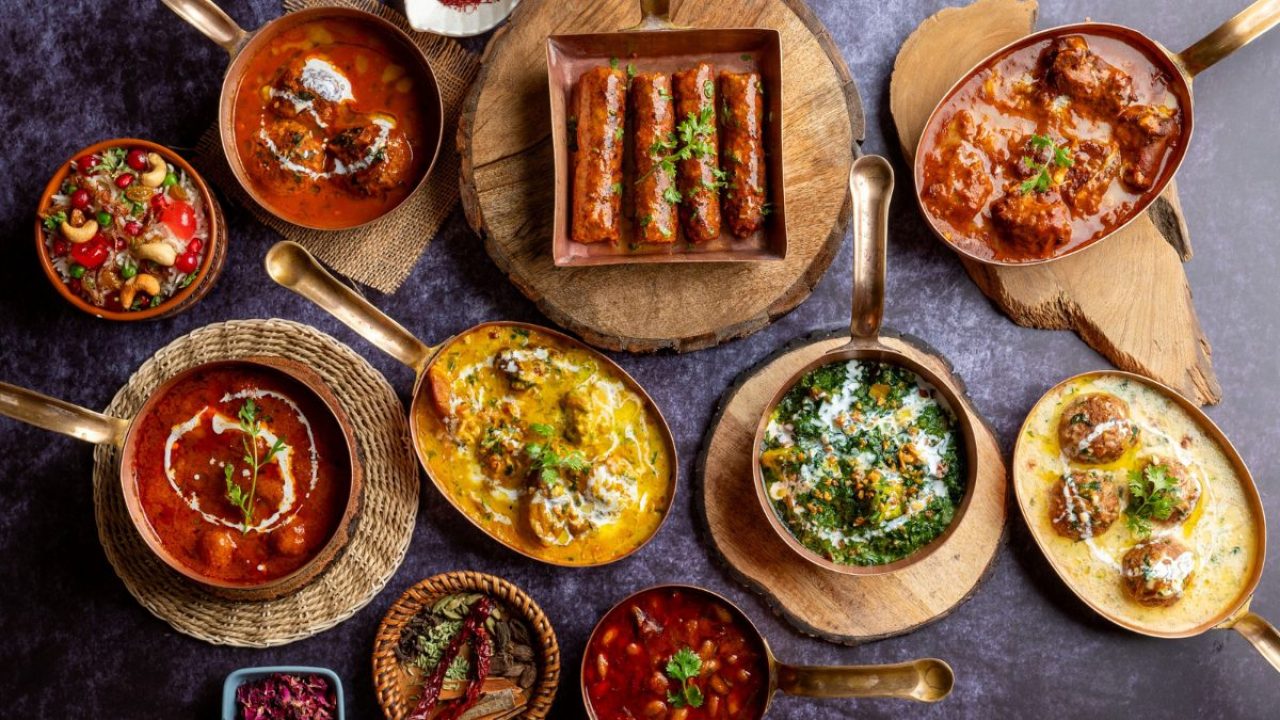
Food in Kashmir is more than just daily nourishment; it is deeply tied to culture, rituals, and hospitality. Families often prepare meals with great care, and sharing them with guests is a matter of pride. Traditional Kashmiri recipes represent this spirit beautifully. They combine rich flavors with centuries-old cooking styles, making the cuisine stand out in South Asia.
One of the most special features is the use of aromatic spices. Instead of heavy chili, Kashmiri dishes highlight saffron, fennel, cardamom, and cloves. These spices add fragrance and depth, while slow cooking ensures the flavors blend naturally. As a result, the food is not just delicious but also soothing for the body.
Wazwan – The Royal Feast
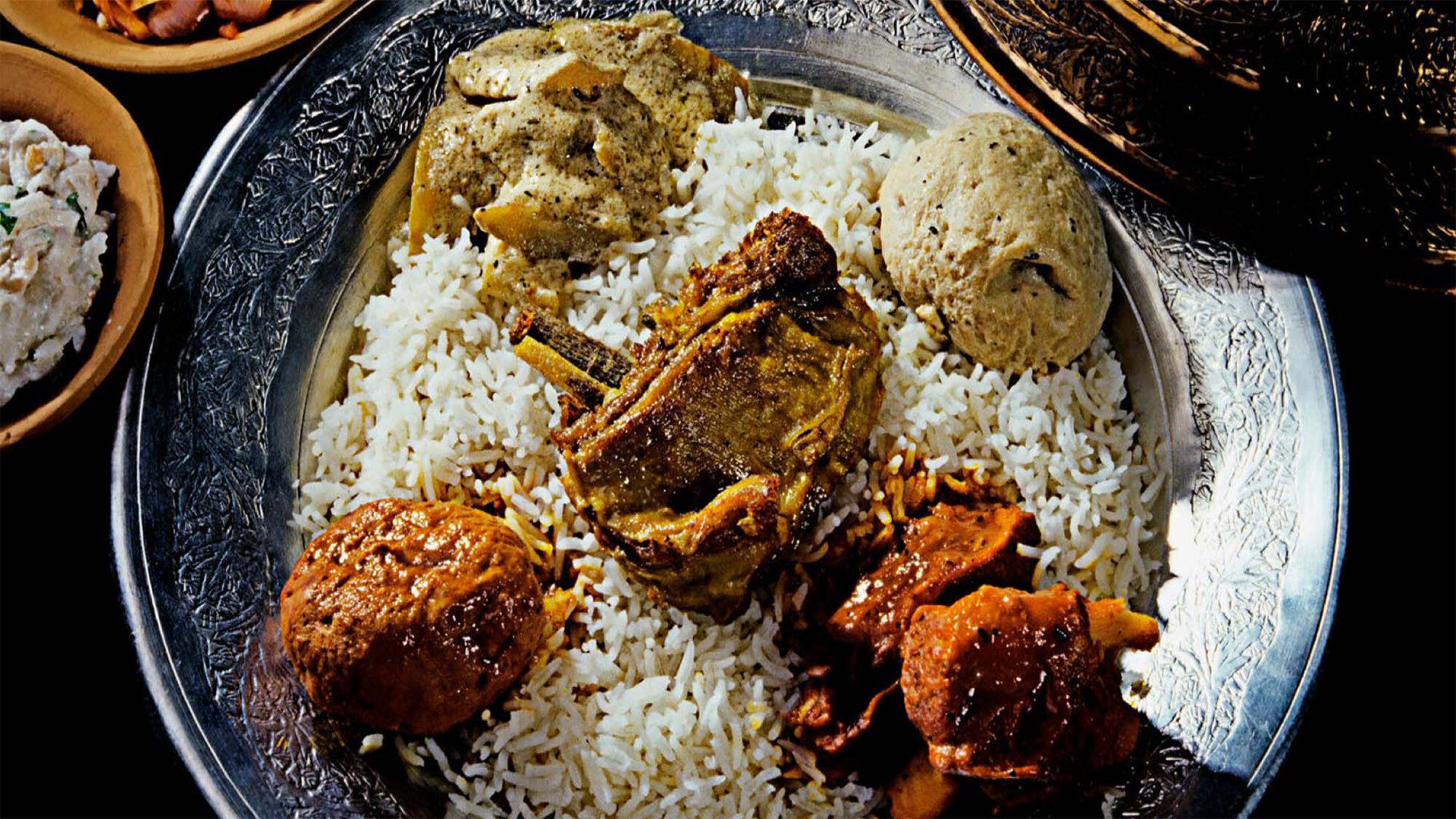
When people talk about traditional Kashmiri recipes, Wazwan is always mentioned first. It is not just a meal but a ceremonial feast served during weddings and grand gatherings. Wazwan usually consists of more than 30 dishes, most of them meat-based, especially lamb. Every dish is prepared by skilled chefs known as wazas, who spend years mastering the art.
The centerpiece of Wazwan is Rogan Josh, a lamb curry cooked with Kashmiri red chilies and yogurt. It looks fiery red but is not very spicy, which makes it loved by many. Alongside Rogan Josh, dishes like Gushtaba (meatballs in yogurt gravy) and Tabak Maaz (fried ribs) add variety and richness.
Although Wazwan is royal, it also reflects community spirit. Guests sit together and share food from large copper plates, symbolizing unity and friendship. This makes Wazwan not only a traditional recipe collection but also a cultural experience.
Yakhni – A Delicate Yogurt-Based Curry
Among the many traditional Kashmiri recipes, Yakhni holds a special place for its light taste and unique preparation. It is usually made with lamb or chicken, simmered in a base of yogurt, fennel, and dry ginger powder. Unlike heavy gravies, Yakhni is mild, fragrant, and easy on the stomach.
The charm of Yakhni lies in its simplicity. It does not use onions or garlic, which are common in many South Asian curries. Instead, the creamy yogurt sauce provides a natural tangy flavor. Saffron is sometimes added to give it a golden touch. This dish is often served with steamed rice, making it a comforting everyday meal in Kashmiri homes.
Rogan Josh – The Icon of Kashmiri Cuisine
No discussion on traditional Kashmiri recipes is complete without Rogan Josh. This dish is recognized worldwide as the face of Kashmiri cuisine. The word Rogan means “oil,” and Josh means “intensity” or “heat.” Together, they describe a dish with deep red color and rich flavor.
Rogan Josh is prepared by slow-cooking lamb with Kashmiri red chilies, yogurt, ginger, and aromatic spices. The chilies give it a vibrant red hue but keep the spice level mild. This balance of color and taste makes Rogan Josh stand apart from other curries in South Asia.
The dish has Persian origins, introduced to Kashmir centuries ago, but over time it became deeply Kashmiri. Today, it is not only part of feasts like Wazwan but also cooked at home for special family meals. Many food lovers try to recreate it outside Kashmir, proving its lasting global appeal.
Dum Aloo – A Spicy Potato Delight
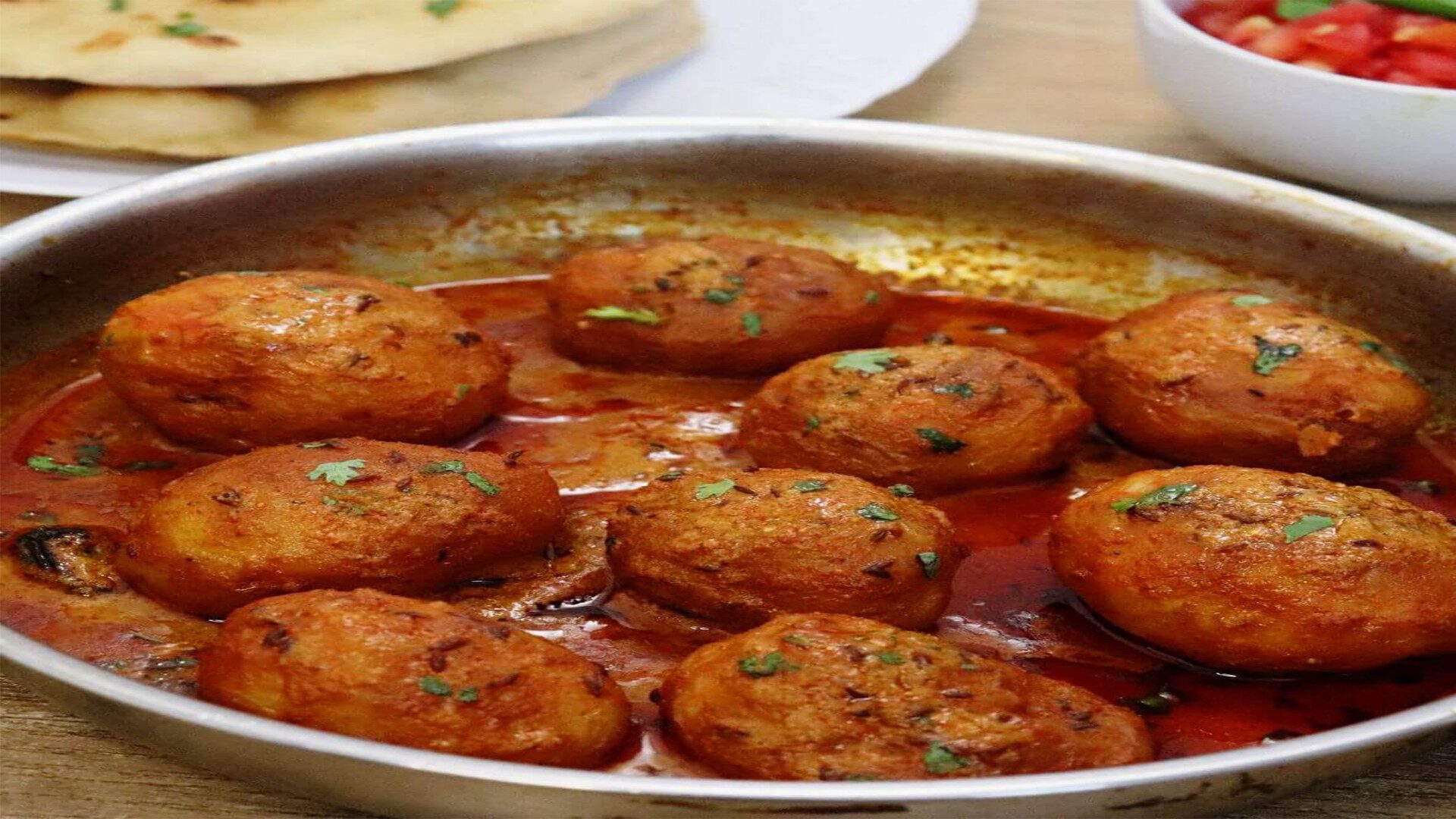
Among traditional Kashmiri recipes, Dum Aloo is one of the most popular vegetarian dishes. Potatoes may look simple, but when cooked in the Kashmiri style, they become something very special. Small potatoes are deep-fried until golden and then simmered in a gravy made with yogurt, fennel, ginger powder, and Kashmiri chilies.
The cooking process is slow, which allows the spices to blend deeply into the potatoes. Despite its rich red color, the taste is balanced and not overly hot. Dum Aloo is usually served with rice, though it also pairs beautifully with flatbreads. The dish represents how Kashmiri cuisine turns even everyday vegetables into flavorful delights.
Modur Pulao – Sweet and Fragrant Rice
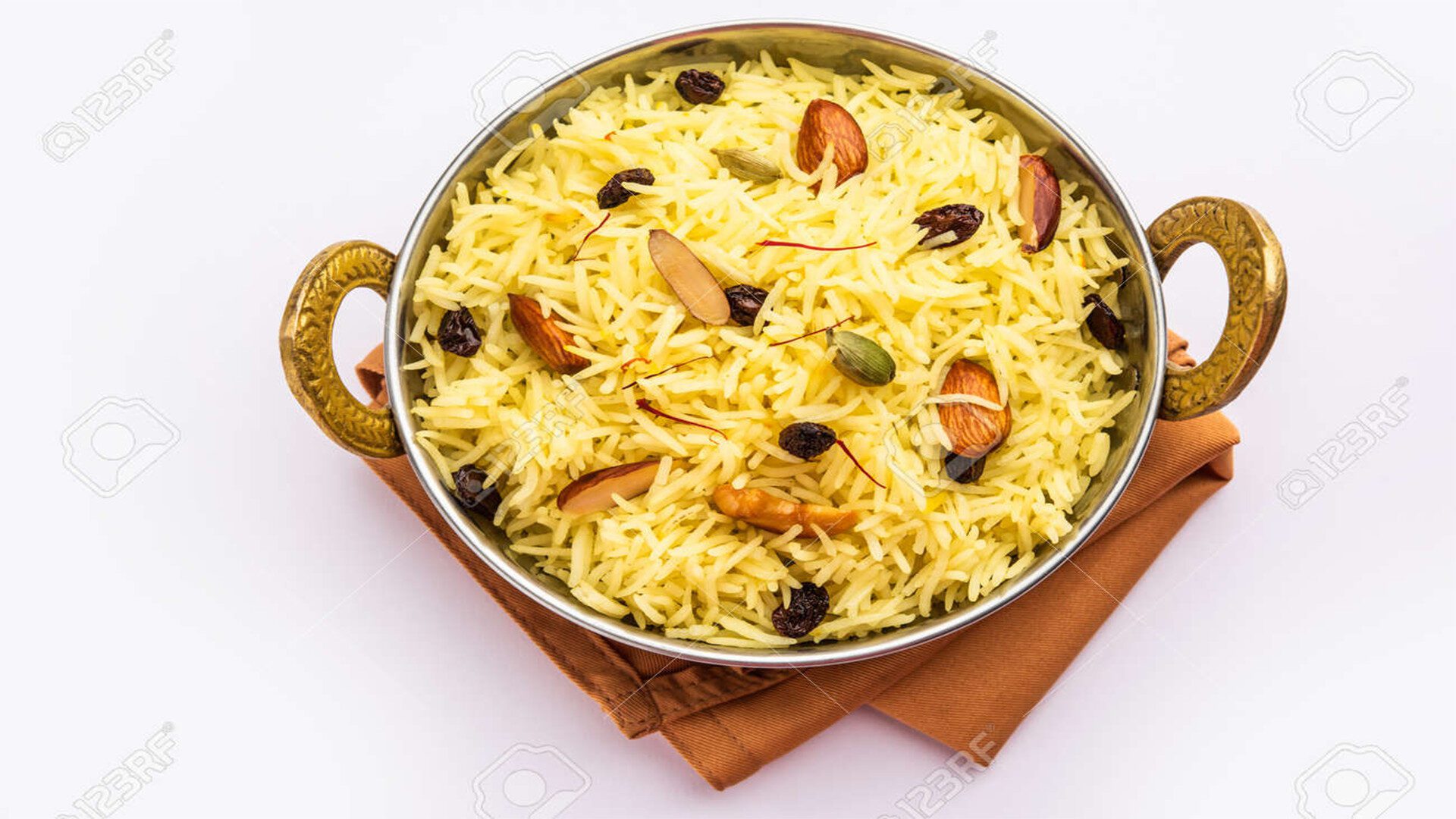
Rice is a central part of Kashmiri meals, and Modur Pulao is a shining example of how rice becomes festive. This sweet saffron pulao is cooked with dry fruits, nuts, milk, and a touch of ghee. The golden color from saffron and the crunch of almonds and cashews make it a royal dish.
Unlike plain rice, Modur Pulao has a sweet and aromatic taste, which balances perfectly when served with spicy gravies like Rogan Josh or Yakhni. In many Kashmiri households, this pulao is made for special occasions, weddings, and festivals. The recipe shows how traditional Kashmiri recipes bring variety to the dining table, mixing sweet with savory.
Nadru Yakhni – Lotus Stems in Yogurt Curry
Another unique gem in Kashmiri cuisine is Nadru Yakhni. The main ingredient here is lotus stem, locally known as nadru. Cooked in a yogurt-based curry with fennel and dry ginger powder, Nadru Yakhni is light yet deeply flavorful.
This dish highlights the creativity of Kashmiri cooking. Instead of common vegetables, lotus stem is used, offering a crunchy texture and earthy taste. Served with rice, it becomes a wholesome and satisfying meal. Nadru Yakhni is a perfect example of how traditional Kashmiri recipes use local ingredients in simple yet innovative ways.
Kahwa – The Soul-Warming Kashmiri Tea
To truly understand traditional Kashmiri recipes, one must also experience Kahwa, the famous green tea of the valley. Prepared with green tea leaves, saffron, cardamom, and crushed almonds, Kahwa is served hot, especially in cold winters.
Unlike regular tea, Kahwa does not use milk. Its light golden color, delicate aroma, and nutty taste make it refreshing and healthy. It helps with digestion after heavy meals like Wazwan and also keeps the body warm in freezing temperatures. For guests, a cup of Kahwa is a symbol of Kashmiri hospitality.
The Role of Spices in Traditional Kashmiri Recipes
Looking back at every dish we discussed—Rogan Josh, Dum Aloo, Yakhni, or Kahwa—one thing is clear: spices play the most important role. Kashmiri cuisine is not about extreme heat but about harmony of flavors. Saffron gives richness, fennel adds sweetness, and ginger powder brings warmth. Even the famous Kashmiri red chili is chosen for color rather than spiciness.
This balanced use of spices shows the wisdom of Kashmiri cooking. Every recipe is designed to please the taste buds without harming health. The focus on slow cooking further ensures that spices blend gently, creating dishes that are flavorful, soothing, and unforgettable.
Traditional Kashmiri Recipes in Daily Life
While dishes like Wazwan and Rogan Josh are famous, the beauty of traditional Kashmiri recipes is that they are also part of everyday meals. From a simple plate of rice with Yakhni to a comforting cup of Kahwa, food is woven into daily routines. Families often cook together, and recipes are passed down from mothers to daughters, keeping traditions alive.
Meals are not rushed. Instead, people enjoy slow dining, where food and conversations go hand in hand. This culture of warmth makes Kashmiri cuisine stand apart. Even in modern kitchens, these recipes are still prepared with care, connecting the new generation with their heritage.
The Cultural Value of Traditional Kashmiri Recipes
Food in Kashmir is not just about taste; it is about identity. Each dish tells a story of history, trade, and influence. Persian, Central Asian, and local traditions have shaped Kashmiri cuisine, making it one of the most diverse in South Asia.
Traditional Kashmiri recipes also play a role in social bonding. During weddings, festivals, or even casual gatherings, food is always the center. Serving these dishes is considered a gesture of respect and love. This deep cultural meaning is why these recipes continue to survive in every Kashmiri household.
Why You Should Try Traditional Kashmiri Recipes
Cooking Kashmiri food at home is not only exciting but also rewarding. These recipes may look rich, yet they are balanced, nutritious, and full of natural flavors. The slow cooking methods may take time, but the results are worth the effort.
Trying traditional Kashmiri recipes also allows you to taste a culture. Whether it is the mild Yakhni, the royal Modur Pulao, or the hearty Rogan Josh, each bite brings you closer to the Kashmiri way of life. By preparing these dishes, you are not only making food but also keeping a centuries-old tradition alive.
Frequently Asked Questions (FAQ)
1. What makes traditional Kashmiri recipes unique?
They are unique because of the use of aromatic spices like saffron and fennel, slow cooking, and balanced flavors that are not overly spicy.
2. What is the most famous traditional Kashmiri recipe?
Rogan Josh is the most popular dish, loved for its vibrant red color and mild yet rich taste.
3. Are all traditional Kashmiri recipes meat-based?
No, vegetarian dishes like Dum Aloo, Nadru Yakhni, and Modur Pulao are equally famous.
4. What role does saffron play in Kashmiri cuisine?
Saffron gives aroma, color, and richness, making dishes like Modur Pulao and Kahwa special.
5. How is Wazwan different from daily Kashmiri food?
Wazwan is a royal feast served during weddings and celebrations, while daily meals are simpler and lighter.
6. Can traditional Kashmiri recipes be cooked outside Kashmir?
Yes, as long as you use the right spices like Kashmiri red chili, fennel, and saffron, you can recreate them anywhere.
7. Is Kashmiri food very spicy?
Not at all. Kashmiri food is known for its color and aroma rather than high levels of heat.
8. What drinks are part of traditional Kashmiri recipes?
Kahwa, a saffron and almond green tea, is the most famous drink in Kashmiri culture.
9. Which traditional Kashmiri recipe is best for beginners?
Yakhni is simple to prepare, light, and a perfect way to start cooking Kashmiri food.
10. Why are traditional Kashmiri recipes important today?
They preserve culture, bring families together, and connect modern life with centuries-old traditions.
Conclusion
Traditional Kashmiri recipes are more than just food; they are living symbols of culture, history, and hospitality. Each dish reflects the balance of flavor, health, and tradition. From the royal Wazwan to the everyday comfort of Yakhni and Kahwa, Kashmiri cuisine shows how food can connect generations and tell stories of a region’s soul.
By exploring and trying these recipes, you are not only enjoying delicious meals but also embracing a tradition that has stood the test of time. Traditional Kashmiri recipes truly are a journey of taste, culture, and heritage served on a plate.
Want to read more about famousfood click here
Big Shoutout to the guys who made this blog happen UDM.