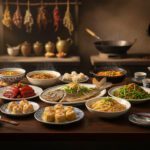
Vegan recipes: Delicious Plant-Based Meals for Everyone
Veganism has transitioned from a niche dietary choice to a mainstream lifestyle, embraced by millions worldwide. Consequently, the demand for innovative and delicious vegan recipes has surged, reflecting a growing interest in plant-based eating for health, ethical, and environmental reasons. This article delves into the vibrant world of vegan cuisine, offering insights, tips, and inspiration for both newcomers and seasoned plant-based enthusiasts. We aim to demonstrate that cooking without animal products is not only possible but also incredibly diverse and satisfying.
The Rise of Veganism and Its Benefits
The popularity of veganism is undeniable. More people are adopting plant-based diets, and for good reason. There are numerous benefits associated with this lifestyle, impacting personal health, animal welfare, and the environment. For example, a well-planned vegan diet is often rich in fiber, vitamins, and minerals, which can contribute to better heart health and reduced risk of chronic diseases. Furthermore, many individuals find that their energy levels improve significantly when they switch to plant-based eating.
Health Advantages of a Plant-Based Diet
Transitioning to a vegan diet can offer substantial health improvements. Studies suggest that individuals consuming a plant-based diet often experience lower cholesterol levels and better blood pressure control. Moreover, the abundance of fruits, vegetables, legumes, and whole grains provides essential nutrients, thereby supporting overall well-being. Ultimately, embracing vegan recipes can be a proactive step towards a healthier lifestyle.
Ethical and Environmental Impact
Beyond personal health, the ethical considerations for animal welfare are a primary motivator for many vegans. Choosing plant-based options helps reduce the demand for animal agriculture, which, in turn, lessens animal suffering. Furthermore, the environmental benefits are significant. Livestock farming is a major contributor to greenhouse gas emissions, deforestation, and water pollution. Therefore, adopting a vegan diet offers a tangible way to reduce one’s ecological footprint, making it a powerful choice for planetary health.
Essential Ingredients for Vegan Recipes
Building a well-stocked vegan pantry is the first step towards culinary success. Fortunately, many common kitchen staples are already vegan. However, certain ingredients are particularly useful for creating satisfying and flavorful vegan recipes.
Pantry Staples
- Legumes: Lentils, chickpeas, black beans, kidney beans. These are excellent sources of protein and fiber. Indeed, they form the backbone of many hearty vegan dishes.
- Grains: Brown rice, quinoa, oats, pasta. Whole grains provide sustained energy and essential nutrients. Consequently, they are crucial for a balanced diet.
- Nuts and Seeds: Almonds, cashews, walnuts, chia seeds, flax seeds. They offer healthy fats, protein, and omega-3s. Moreover, they add texture and flavor to a variety of dishes.
- Canned Goods: Diced tomatoes, coconut milk, vegetable broth. These convenient items significantly reduce cooking time.
- Spices and Herbs: A diverse collection of spices is vital for flavor. Therefore, don’t shy away from experimenting with different blends.
Fresh Produce
Always prioritize seasonal fruits and vegetables. Leafy greens, root vegetables, and fresh berries are versatile and packed with nutrients. Moreover, they add vibrant colors and essential vitamins to your meals.
Vegan-Specific Products
- Plant Milks: Almond, soy, oat, cashew milk. These are perfect for beverages, cereals, and cooking.
Tofu and Tempeh:** Versatile protein sources that absorb flavors wonderfully. They are excellent meat substitutes in many *vegan recipes.
- Nutritional Yeast: Offers a cheesy, umami flavor, ideal for sauces and savory dishes. It is also a good source of B vitamins.
- Vegan Spreads and Cheeses: While optional, these can enhance the experience for those transitioning from dairy. However, always check ingredients to ensure they are truly plant-based.
Mastering Basic Vegan Cooking Techniques
Effective cooking techniques are fundamental to creating delicious vegan recipes. Understanding how to properly prepare plant-based ingredients can elevate your dishes from good to great.
Tofu and Tempeh Preparation
Many people are intimidated by tofu, but it’s quite simple to prepare. Pressing tofu removes excess water, allowing it to absorb marinades better and achieve a firmer texture. Subsequently, you can bake, fry, scramble, or grill it. Tempeh, on the other hand, has a firmer, nuttier texture and is excellent steamed, crumbled, or sliced and marinated.
Roasting Vegetables for Flavor
Roasting is a fantastic way to bring out the natural sweetness of vegetables. Toss your favorite vegetables with a little olive oil, salt, pepper, and herbs, then roast until tender and slightly caramelized. This method works well for broccoli, cauliflower, sweet potatoes, carrots, and Brussels sprouts. Indeed, roasted vegetables make a flavorful side or a hearty addition to grain bowls.
Creating Flavorful Sauces and Dressings
Sauces and dressings can transform a simple meal into something extraordinary. Cashew cream, made by blending soaked cashews with water, can be a base for creamy pasta sauces, salad dressings, or even cheese sauces. Moreover, tahini-based dressings offer a rich, savory profile. Mastering a few basic sauce recipes will significantly expand your vegan culinary repertoire.
Exploring Diverse Vegan Recipes Categories
The world of vegan cuisine is incredibly vast, offering an endless array of dishes to suit every taste and occasion. From quick weekday meals to elaborate celebratory feasts, there’s a vegan recipe for everyone.
Breakfast Delights
Start your day right with nourishing plant-based breakfasts. Popular options include oatmeal with fruit and nuts, tofu scrambles, vegan pancakes or waffles, and smoothie bowls. For a quick option, overnight oats are a perfect make-ahead meal. Alternatively, a savory breakfast burrito with black beans and avocado is a satisfying choice.
Lunchtime Staples
Lunch can be light and refreshing or hearty and filling. Think vibrant salads with chickpeas and a tahini dressing, lentil soup, or a hearty sandwich packed with hummus and fresh vegetables. Leftovers from dinner often make excellent lunches, saving time and reducing food waste. Furthermore, a simple pasta salad with roasted vegetables is always a crowd-pleaser.
Dinner Inspirations
Dinner is where many vegan recipes truly shine. Explore dishes like lentil shepherd’s pie, black bean burgers, chickpea curries, mushroom stroganoff, or vegetable stir-fries. Ethnic cuisines, such as Indian, Thai, Mexican, and Mediterranean, offer a wealth of naturally vegan options. For instance, a flavorful dal or a spicy massaman curry can be incredibly satisfying. Don’t be afraid to experiment with different cultural dishes.
Snacks and Desserts
Satisfy your cravings with wholesome vegan snacks and decadent desserts. Fresh fruit, nuts, seeds, and vegetable sticks with hummus are great healthy options. For something sweeter, try vegan cookies, brownies made with avocado or black beans, fruit crumbles, or nice cream (banana-based ice cream). Indeed, the possibilities for sweet treats are surprisingly extensive.
Tips for Successful Vegan Meal Planning
Meal planning is crucial for maintaining a balanced and enjoyable vegan diet. It helps ensure you get all necessary nutrients, saves time, and reduces food waste. Consequently, a well-structured plan can make vegan eating effortless.
Batch Cooking and Prep
Dedicate a few hours each week to batch cooking staples like grains, roasted vegetables, and legumes. This preparation significantly speeds up meal assembly during busy weekdays. For example, cooking a large batch of quinoa or lentils on Sunday can provide a base for several meals throughout the week. Moreover, chopping vegetables in advance saves valuable time.
Balancing Nutrients
Ensure your meals include a variety of protein sources (legumes, tofu, nuts, seeds), healthy fats (avocado, nuts, seeds, olive oil), and complex carbohydrates (whole grains, starchy vegetables). Additionally, pay attention to essential vitamins like B12 (often supplemented) and iron (found in leafy greens, lentils, fortified foods, and enhanced by vitamin C). Therefore, a diverse diet is key to nutritional completeness.
Shopping Smart
Create a shopping list based on your meal plan to avoid impulsive purchases and ensure you have all necessary ingredients. Shopping at local farmers’ markets can provide fresh, seasonal produce at competitive prices. Furthermore, buying in bulk for pantry staples like grains and legumes can be cost-effective in the long run.
Overcoming Common Vegan Cooking Challenges
While vegan cooking is rewarding, it can present a few challenges, especially for those new to the lifestyle. However, with a little knowledge and practice, these obstacles are easily overcome.
Ensuring Adequate Protein Intake
One common concern is getting enough protein. Fortunately, many plant-based foods are excellent protein sources. Combine legumes with grains (e.g., rice and beans), incorporate tofu and tempeh, and snack on nuts and seeds. A varied diet naturally provides sufficient protein. Therefore, focusing on diverse plant foods is more effective than fixating on individual protein grams.
Making Meals Satisfying and Flavorful
Some worry that vegan food might be bland. This is far from the truth! Use plenty of herbs, spices, garlic, onions, and citrus to build complex flavors. Umami-rich ingredients like mushrooms, nutritional yeast, and soy sauce are also invaluable. Furthermore, don’t underestimate the power of healthy fats from avocados, nuts, and olive oil to add richness and satiety. Consequently, your vegan recipes will be anything but boring.
Finding Substitutions for Animal Products
Many traditional recipes can be easily veganized with clever substitutions. Flax eggs or chia eggs (1 tbsp ground flax/chia + 3 tbsp water) work well as binders in baking. Plant milks can replace dairy milk cup for cup. For butter, use vegan margarine or coconut oil. Moreover, a simple search online will reveal countless vegan alternatives for nearly any animal product, making the transition smoother.
FAQs
1. Are vegan recipes suitable for beginners?
Yes, vegan recipes are very beginner-friendly. Many dishes use simple ingredients like vegetables, grains, legumes, and spices. Easy recipes such as salads, stir-fries, smoothies, and one-pot meals make plant-based cooking accessible for everyone.
2. Can vegan meals provide enough protein and nutrients?
Absolutely. Vegan recipes often include protein-rich foods like lentils, chickpeas, beans, tofu, quinoa, nuts, and seeds. With a balanced approach, plant-based meals can provide all essential nutrients needed for a healthy lifestyle.
3. Do vegan recipes suit non-vegans and families?
Yes, vegan meals are enjoyed by people of all diets. Their rich flavors, variety, and creativity make them appealing to families, kids, and non-vegans alike, proving plant-based food can be satisfying and delicious.
Conclusion (CUL)
Vegan recipes offer a flavorful and healthy way to enjoy plant-based meals without sacrificing taste or nutrition. From quick everyday dishes to creative gourmet options, vegan cooking suits all lifestyles and preferences. Embracing vegan recipes not only supports personal health but also promotes sustainability and mindful eating, making them a perfect choice for everyone.
Want to read more Famous Food about click here
Big Shoutout to the guys who made this blog happen UDM.
- https://famousfoodblog.com/world-popular-foods-a-global-culinary-journey/
- https://famousfoodblog.com/low-calorie-meal-ideas-delicious-healthy-options/
- https://famousfoodblog.com/bbq-and-grilling-recipe-master-outdoor-cooking/
- https://famousfoodblog.com/breakfast-smoothie-quick-healthy-delicious-start/
- https://famousfoodblog.com/roast-chicken-the-ultimate-guide-to-perfect-poultry/