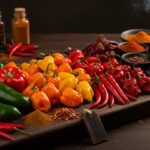
Asian recipes: A Culinary Journey Through Diverse Flavors
Asian cuisine encompasses a vast and incredibly diverse culinary landscape, stretching across numerous countries and cultures. Indeed, the term “Asian recipes” itself hints at a world of gastronomic exploration, offering an unparalleled array of tastes, textures, and aromas. This comprehensive guide will delve into the heart of Asian cooking, providing insights into its foundational elements, popular regional dishes, and practical tips for home cooks. Therefore, prepare to embark on a flavorful journey that will broaden your culinary horizons.
Exploring the Rich Tapestry of Asian Recipes
The sheer variety within Asian recipes is truly astounding. Consequently, what might be considered “Asian food” in one region could be entirely different in another. From fiery Indian curries to delicate Japanese sushi, and vibrant Chinese stir-fries, each country boasts a unique culinary identity. This diversity stems from historical trade routes, varying climates, and distinct cultural practices. For instance, soy sauce is central to many East Asian dishes. However, it is less common in South Asian cooking, which often relies on complex spice blends. Understanding these regional nuances is key to appreciating the depth of Asian recipes.
Essential Ingredients in Asian Cuisine
Despite vast differences, certain ingredients serve as common threads throughout various Asian culinary traditions. Mastering these staples is fundamental to successfully preparing authentic Asian dishes.
Staples and Foundations
- Rice: The most ubiquitous staple, rice forms the foundation of meals across Asia. Varieties range from long-grain Basmati to short-grain sticky rice.
- Noodles: Wheat, rice, or sweet potato noodles are central to many Asian recipes, appearing as ramen, udon, vermicelli, or flat rice noodles.
- Soy Sauce: A cornerstone of East Asian cooking, it adds umami and saltiness.
- Fish Sauce: Predominantly used in Southeast Asian cuisine, it provides a distinctive savory, umami flavor.
- Coconut Milk: Essential in many Southeast and South Asian curries and desserts for richness and sweetness.
- Sesame Oil: Often a finishing oil in East Asian dishes, known for its nutty aroma.
Aromatic Enhancers
Aromatic ingredients are vital for building complex flavor profiles.
- Garlic and Ginger: Almost universally present, providing pungent and spicy notes.
- Chilies: Integral to many Asian recipes, offering heat and depth, from mild to intensely hot.
- Lemongrass and Galangal: Found extensively in Southeast Asian cuisine, imparting fresh, citrusy, and peppery notes.
- Fresh Herbs: Cilantro, mint, Thai basil, and scallions add freshness and garnish.
- Spices: Especially prominent in South Asian cooking, a vast array like cumin, coriander, turmeric, and cardamom define many dishes.
Popular Regional Asian Recipes
Let’s explore some iconic Asian recipes from different regions, showcasing their unique characteristics.
East Asian Delights (China, Japan, Korea)
East Asian cuisine is renowned for its balance of flavors and meticulous preparation.
- China:
- Stir-fried Noodles/Rice: Quick, versatile, featuring vegetables, meat, and savory sauces.
- Dumplings (Jiaozi): Savory fillings in delicate wrappers, steamed or pan-fried.
- Japan:
- Sushi and Sashimi: Artfully prepared rice and raw fish, a global icon.
- Ramen: Rich, savory noodle soup with diverse broths and toppings.
- Korea:
- Kimchi: Fermented spicy cabbage, a staple side dish at almost every Korean meal.
- Bibimbap: A colorful bowl of rice topped with sautéed vegetables, meat, egg, and gochujang.
Southeast Asian Specialties (Thailand, Vietnam, Malaysia)
This region is characterized by bold, fresh, and aromatic flavors, balancing sweet, sour, salty, and spicy elements.
- Thailand:
- Pad Thai: Stir-fried rice noodles with shrimp/chicken, peanuts, and tangy tamarind sauce.
- Green Curry: A vibrant, spicy coconut milk-based curry.
- Vietnam:
- Pho: A deeply aromatic beef or chicken noodle soup with fresh herbs.
- Banh Mi: A delicious Vietnamese baguette sandwich with various fillings.
- Malaysia:
- Laksa: A rich and spicy noodle soup, often coconut milk-based.
- Nasi Lemak: Fragrant coconut rice served with fried anchovies, peanuts, and spicy sambal.
South Asian Staples (India, Pakistan)
Known for complex spice blends, rich gravies, and diverse use of legumes and vegetables.
- India:
- Chicken Tikka Masala: Marinated and grilled chicken in a creamy, spiced tomato sauce.
- Biryani: Fragrant basmati rice cooked with meat or vegetables and aromatic spices.
- Pakistan:
- Nihari: A slow-cooked beef or lamb stew, rich in flavor and spices.
- Seekh Kebab: Spiced minced meat molded onto skewers and grilled.
Mastering Basic Asian Cooking Techniques
Preparing delicious Asian recipes often involves a few fundamental cooking techniques. Familiarity with these methods will significantly enhance your culinary skills.
Stir-Frying
This quick and efficient method involves rapidly cooking ingredients in hot oil in a wok or large pan.
- Principles: High heat, constant movement, and pre-chopped ingredients are essential.
- Benefits: Preserves nutrients, creates vibrant colors, and develops complex flavors quickly.
Steaming
Steaming uses moist heat from boiling water to gently cook food, widely used for dumplings, fish, and vegetables.
- Principles: A steamer basket is required; food does not touch the water.
- Benefits: Retains nutrients, moisture, and natural flavors, a healthy cooking method.
Braising and Simmering
These techniques involve cooking food slowly in liquid over a longer period, resulting in tender meats and rich sauces.
- Principles: Low heat, long cooking times, and sufficient liquid.
- Benefits: Ideal for tougher cuts of meat, develops deep flavors, and creates succulent dishes.
Tips for Successful Asian Recipe Preparation
To truly excel in preparing Asian recipes, consider these practical tips. They will help you achieve authentic flavors and enjoyable cooking experiences.
Ingredient Sourcing
Quality and authenticity of ingredients significantly impact the final dish.
- Local Asian Markets: Visit an Asian grocery store for specific sauces, spices, fresh produce, and unique ingredients.
- Freshness Matters: Opt for the freshest available, especially for herbs, vegetables, and seafood.
Balancing Flavors
Asian cuisine is often about harmony. Understanding how to balance sweet, sour, salty, bitter, and umami is crucial.
- Taste as You Go: Always taste and adjust seasonings.
- Acids for Brightness: A squeeze of lime or a dash of vinegar can lift heavy flavors.
Prepping Ahead (Mise en Place)
Many Asian recipes, particularly stir-fries, cook very quickly. Having all ingredients prepped and ready before you start cooking is essential.
- Chop and Measure: Chop all vegetables, mince garlic and ginger, slice meats, and measure out sauces.
- Organize: Arrange ingredients near your cooking station in the order they will be added.
Conclusion
Embarking on a journey through Asian recipes reveals a world of incredible culinary diversity and depth. From the spicy, aromatic dishes of South Asia to the fresh, umami-rich flavors of East Asia and the bold, balanced tastes of Southeast Asia, there is an endless array of dishes to explore. By understanding key ingredients, mastering fundamental techniques, and embracing the regional nuances, home cooks can confidently recreate these vibrant flavors in their own kitchens. Ultimately, cooking Asian food is not just about following a recipe; it is about appreciating a rich cultural heritage through taste and tradition.
Want to read more Famous Food about click here
Big Shoutout to the guys who made this blog happen UDM.
Frequently Asked Questions (FAQ)
Q1: What are the most common staple ingredients in Asian cuisine?
A1: While specific ingredients vary by region, common staples across Asian recipes include rice, various types of noodles, soy sauce, fish sauce, coconut milk, garlic, ginger, and chilies. Spices like cumin, coriander, and turmeric are also foundational in South Asian cooking.
Q2: How can I make my Asian dishes taste more authentic at home?
A2: To enhance authenticity, focus on sourcing fresh, high-quality ingredients, especially from local Asian markets. Pay attention to balancing the five basic tastes (sweet, sour, salty, bitter, umami) and master essential cooking techniques like stir-frying and steaming. Additionally, ensure you have all ingredients prepped (mise en place) before cooking.Asian recipes
Q3: Is Asian cuisine generally healthy?
A3: Many Asian recipes are indeed considered healthy, often featuring a high proportion of fresh vegetables, lean proteins like fish and tofu, and beneficial spices. Cooking methods like stir-frying and steaming are also common. However, like any cuisine, some dishes can be high in fat or sugar, so moderation and balanced choices are key.
- https://famousfoodblog.com/pumpkin-spice-desserts-the-ultimate-fall-guide/
- https://famousfoodblog.com/quinoa-salad-ideas-fresh-healthy-delicious-recipes/
- https://famousfoodblog.com/seasonal-recipe-ideas-fresh-flavors-year-round/
- https://famousfoodblog.com/outdoor-bbq-recipes-master-your-grill-smoker/
- https://famousfoodblog.com/chocolate-dessert-ideas-indulge-in-sweet-creations/