Nutrition Guides: Your Path to Optimal Health
Understanding what to eat can often feel overwhelming in today’s world. Indeed, conflicting information abounds, making it challenging to discern fact from fiction. This is precisely where nutrition guides become invaluable. They offer structured, evidence-based frameworks designed to help individuals make informed dietary choices. Furthermore, these guides serve as essential roadmaps for achieving specific health and wellness objectives. Whether your goal is weight management, improved athletic performance, or simply better overall health, the right guide can illuminate your path.
Why are Nutrition Guides Essential?
Nutrition guides are far more than mere lists of ‘good’ and ‘bad’ foods; instead, they are sophisticated, comprehensive tools designed to empower individuals with actionable knowledge. They provide much-needed clarity in what can often be a confusing and contradictory subject, consequently making healthy eating accessible, understandable, and sustainable for everyone. Therefore, truly grasping their fundamental benefits is absolutely crucial for anyone serious about improving their health and well-being in the long term.
Personalized Wellness
Every individual possesses a truly unique biochemical makeup, distinct dietary needs, and specific health goals. For instance, the caloric and macronutrient requirements of a competitive athlete will differ significantly from those of someone managing a sedentary lifestyle or an elderly person. Effective nutrition guides are designed to consider these profound individual differences, offering tailored and adaptive recommendations rather than generic advice. Consequently, they play a vital role in optimizing personal well-being, energy levels, and overall vitality.
Disease Prevention and Management
Diet plays an undeniably pivotal role in both preventing the onset and effectively managing the progression of numerous chronic diseases. Specifically, conditions like heart disease, type 2 diabetes, certain types of cancer, and autoimmune disorders are often profoundly influenced by long-term dietary habits. Furthermore, well-structured and evidence-based nutrition guides provide proactive strategies to significantly mitigate these risks. They also offer crucial support for the management of existing conditions, often working in close conjunction with medical advice and therapeutic treatments. This holistic approach can lead to substantial improvements in health outcomes.
Performance Enhancement
Athletes, fitness enthusiasts, and active individuals particularly benefit immensely from specialized nutrition guidance. Proper fueling, indeed, is not just beneficial but absolutely critical for achieving peak physical performance, accelerating recovery, and preventing injuries. Moreover, such guides help optimize sustained energy levels, facilitate efficient muscle repair and growth, and significantly boost overall endurance and strength. Ultimately, by providing precise dietary strategies, they contribute profoundly to unlocking and maximizing an individual’s athletic potential, whether in competitive sports or daily physical activity.
Types of Nutrition Guides
The landscape of nutrition guides is incredibly diverse, catering to a wide array of needs, preferences, and underlying health philosophies. Understanding the different categories can significantly help you identify the best fit for your personal journey toward optimal health. Here, we delve into some of the most common and impactful types of guides available today.
General Dietary Guidelines
These guides typically offer broad, universally applicable recommendations for healthy eating, often issued by governmental health organizations. For example, national dietary guidelines frequently emphasize balanced macronutrient intake, a rich variety of fruits, vegetables, whole grains, and lean proteins. They serve as an excellent, foundational starting point for most people looking to improve their general health without specific medical conditions. Moreover, they often highlight the importance of limiting processed foods, added sugars, and unhealthy fats.
Specific Health Condition Guides
Designed precisely for individuals with particular health concerns, these specialized guides address unique dietary needs and restrictions. For instance, a guide for diabetes management will meticulously focus on blood sugar control, carbohydrate counting, and glycemic index awareness. Similarly, a guide for heart health might emphasize low-sodium, low-saturated fat, and cholesterol-conscious foods, often incorporating the DASH or Mediterranean diet principles. These guides are almost always developed with extensive input from medical professionals and registered dietitians to ensure safety and efficacy.
Performance-Based Guides
Athletes, bodybuilders, and those aiming for significant body composition changes (e.g., muscle gain or fat loss) often meticulously follow performance-based nutrition guides. These guides focus intensely on optimizing nutrient timing, precise caloric intake, and specific macronutrient ratios to support rigorous training regimens. Consequently, they help maximize energy levels, accelerate muscle repair, reduce recovery times, and ultimately enhance overall athletic endurance and strength. They might also incorporate specific supplements tailored to performance goals.
Lifestyle-Oriented Guides
Many popular and enduring dietary approaches fall into this expansive category. Examples include vegetarian, vegan, paleo, ketogenic, and gluten-free diets. These guides adhere to specific food restrictions or inclusions based on ethical convictions, personal health beliefs, or cultural traditions. Furthermore, they often require careful planning, diligent label reading, and potentially supplementation to ensure comprehensive nutritional adequacy and prevent deficiencies. Their success hinges on long-term adherence to a particular way of eating.
Key Components of Effective Nutrition Guides
Regardless of their specific focus or philosophy, truly effective nutrition guides share several fundamental and interconnected components. These essential elements collectively form the robust backbone of any successful healthy eating plan. Understanding them thoroughly is absolutely key to successful dietary management and achieving sustainable results.
Macronutrients (Carbohydrates, Proteins, Fats)
These are the primary energy sources our bodies require in substantial amounts, each playing a distinct yet crucial role. Carbohydrates are the body’s preferred fuel for daily activities and exercise; proteins are indispensable for tissue repair, muscle growth, enzyme production, and immune function; and healthy fats are essential for hormone production, nutrient absorption (especially fat-soluble vitamins), and providing sustained energy. A well-balanced guide meticulously specifies appropriate ratios and sources for these vital macronutrients, aligning them with individual goals.
Micronutrients (Vitamins, Minerals)
Though required in comparatively smaller quantities, micronutrients are absolutely vital for countless intricate bodily functions and overall health. They support everything from robust immunity and strong bone health to efficient energy production and proper nerve function. Effective nutrition guides therefore ensure a diverse and ample intake of nutrient-dense foods, such as a wide array of fruits, vegetables, and whole grains, to meet these critical needs. Consequently, they help prevent deficiencies that can lead to various health issues.
Hydration
Often overlooked, adequate water intake is fundamental for countless bodily functions. It supports metabolism, nutrient transport, temperature regulation, and joint lubrication. Good nutrition guides consistently emphasize the profound importance of staying well-hydrated throughout the day, often specifying recommended daily fluid intake.
Portion Control
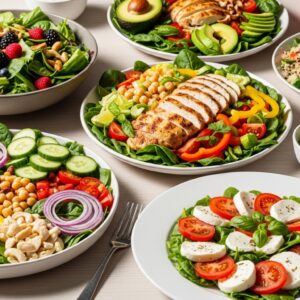
Even the healthiest foods, when consumed in excessive amounts, can inadvertently contribute to weight gain or hinder specific health goals. Therefore, understanding and practicing appropriate portion sizes is absolutely critical for managing caloric intake and achieving desired outcomes. Many effective guides provide practical tools like visual cues, plate method examples, or specific measurements for managing intake effectively. They empower individuals to eat mindfully without feeling overly restricted.
Food Quality and Sourcing
The quality of your food matters profoundly, impacting nutrient density and potential exposure to harmful substances. Good nutrition guides consistently encourage consuming whole, unprocessed foods as the cornerstone of a healthy diet. They also advocate for sourcing ingredients responsibly, emphasizing fresh produce, lean, ethically raised proteins, and healthy, unrefined fats. Furthermore, minimizing the intake of ultra-processed items, artificial additives, and excessive sugars is a common and vital recommendation across most reputable guides.
How to Choose the Right Nutrition Guides for You
Selecting the ideal nutrition guides is a critical process that requires careful and thoughtful consideration of your personal circumstances, aspirations, and limitations. It’s unequivocally not a one-size-fits-all endeavor, as what works wonders for one person might be entirely unsuitable for another. Consequently, taking a methodical and informed approach will consistently yield the most effective and sustainable results for your unique health journey.
Assess Your Goals and Needs
Begin by clearly and precisely defining what you genuinely hope to achieve through dietary changes. Are you primarily aiming for sustainable weight loss, significant muscle gain, improved cognitive function, enhanced energy levels, or perhaps the effective management of a specific health condition? Your clearly articulated specific goals will profoundly dictate the type of guide that best suits your requirements. Furthermore, it is crucial to consider any existing food allergies, intolerances, or specific dietary restrictions (e.g., ethical, religious) that must be accommodated.
Consult a Professional
For truly personalized, evidence-based, and safe advice, consulting a registered dietitian (RD) or a certified nutritionist is highly recommended as a first and crucial step. These qualified professionals possess the expertise to accurately assess your individual needs, interpret complex scientific literature, and provide tailored recommendations that align with your health status. They can expertly help you navigate the often-confusing array of various nutrition guides, offering objective insights and dispelling myths. Moreover, they provide invaluable ongoing support, adjustments, and accountability, ensuring your plan remains effective and safe as your body and goals evolve.
Consider Your Lifestyle
Sustainability is, without a doubt, the paramount key to long-term success in any dietary endeavor. A guide that is excessively restrictive, overly complex, or incompatible with your daily routine, budget, or social life will, regrettably, likely fail in the long run. Therefore, choose one that integrates seamlessly and practically with your existing lifestyle, personal preferences, cultural background, and cooking habits. The best guide is ultimately the one you can realistically adhere to consistently over time, not just for a few weeks.
Look for Evidence-Based Information
In an age of abundant information, it is imperative to exercise caution and critical thinking. Be particularly wary of fads, sensationalized claims, or quick-fix solutions that promise immediate, effortless results. Instead, diligently seek out nutrition guides that are unequivocally backed by robust scientific research, peer-reviewed studies, and expert consensus from reputable health organizations. Credible sources include the World Health Organization, national dietary associations, and university-affiliated health institutions. This rigorous approach ensures that the advice you follow is both safe and genuinely effective for your health.
Implementing Your Nutrition Guide Successfully
Having chosen your nutrition guides, the next crucial step involves effective implementation. Consistent effort and strategic planning are vital for turning knowledge into lasting habits. Here are some actionable tips to ensure your success.
Start Small and Be Consistent
Drastic changes are often difficult to maintain in the long term. Instead, implement small, manageable steps gradually, allowing your body and habits to adjust naturally. Consistency, therefore, is far more impactful than sporadic perfection. Celebrate small victories along the way to maintain motivation and build momentum.
Plan Your Meals
Meal planning is a cornerstone of successful dietary adherence and stress reduction. Dedicate time each week to plan your meals and snacks, including grocery shopping. This proactive approach reduces impulsive, unhealthy choices and ensures you always have the necessary ingredients on hand. Consequently, it streamlines your healthy eating journey and makes adherence much easier.
Track Your Progress
Monitoring your intake and progress can provide invaluable insights and motivation. Use a food journal, a dedicated app, or simply observe how you feel, your energy levels, and any physical changes. This allows for timely adjustments to your guide and helps you stay motivated by seeing tangible results. Furthermore, it highlights areas for improvement and helps identify what works best for your body.
Be Flexible and Adaptable
Life happens, and perfection in diet is neither realistic nor attainable. Be prepared for occasional deviations from your guide, such as social events or unexpected changes in routine. Instead of giving up entirely, simply return to your plan at the next opportunity without guilt. This flexible and forgiving mindset fosters long-term adherence and prevents burnout.
Conclusion
Ultimately, nutrition guides are powerful and indispensable tools for anyone seeking to improve their health and well-being. They provide clarity, structure, and evidence-based advice in a world often saturated with dietary misinformation. By understanding the different types of guides, their key components, and how to choose the right one for your individual needs, you can embark on a more informed and sustainable journey towards optimal health. Remember, consistency, a flexible approach, and professional guidance when needed are paramount to transforming these guides into lasting, beneficial habits that support a vibrant life.
Want to read more Famous Food about click here
Big Shoutout to the guys who made this blog happen UDM.
Frequently Asked Questions (FAQ)
Q1: What makes a good nutrition guide effective?
A good nutrition guide is effective because it is evidence-based, personalized to individual needs and goals, and sustainable within one’s lifestyle. It typically emphasizes whole, unprocessed foods, proper macronutrient and micronutrient balance, adequate hydration, and mindful portion control. Furthermore, it should ideally be developed or recommended by qualified health professionals, such as registered dietitians.
Q2: Can I follow multiple nutrition guides simultaneously?
Generally, it is not advisable to follow multiple distinct nutrition guides simultaneously, as they may have conflicting recommendations or create unnecessary complexity and confusion. Instead, it’s better to choose one comprehensive guide that genuinely aligns with your primary goals and lifestyle. If you have diverse or complex needs, consult a dietitian who can help integrate principles from various approaches into a cohesive, personalized plan that works for you.
Q3: How often should I update or review my nutrition guide?
You should review your nutrition guide periodically, especially if your health goals, lifestyle, activity levels, or medical conditions change significantly. A good practice is to reassess every 6-12 months to ensure it remains relevant and effective. However, if you are working with a professional, they will guide you on the appropriate frequency for reviews and adjustments, ensuring your plan continuously supports your evolving needs.
- https://famousfoodblog.com/traditional-food-a-culinary-journey-through-history/
- https://famousfoodblog.com/diet-friendly-recipes-delicious-healthy-meals/
- https://famousfoodblog.com/sugar-free-recipes-delicious-healthy-options/
- https://famousfoodblog.com/cheeses-pizza-a-deep-dive-into-dairy-delights/
- https://famousfoodblog.com/healthy-soups-nourishing-bowls-for-a-better-you/