Low-Calorie Recipes: Delicious & Healthy Meals
Embarking on a journey towards a healthier lifestyle often involves making conscious food choices. Many individuals, therefore, seek out Low-Calorie Recipes to support their weight management goals or simply to maintain a balanced diet. These recipes prove that you do not have to sacrifice flavor for health; indeed, you can enjoy satisfying meals while keeping your calorie intake in check. This comprehensive guide will explore the benefits, essential ingredients, and practical tips for incorporating low-calorie dishes into your daily routine.
Understanding Low-Calorie Recipes: The Basics
At its core, a low-calorie recipe is designed to provide fewer calories per serving while still offering essential nutrients and a sense of fullness. This approach is fundamental for anyone looking to create a calorie deficit, which is necessary for weight loss. However, it is not merely about reducing calories; rather, it is about choosing nutrient-dense foods that offer maximum satiety and health benefits.
What Makes a Recipe Low-Calorie?
Several factors contribute to a recipe being low in calories. Primarily, this involves selecting ingredients that are naturally lower in energy density. For instance, vegetables, fruits, and lean proteins are typically low in calories but high in volume and nutrients. Conversely, ingredients high in added sugars, unhealthy fats, and refined carbohydrates tend to be calorie-dense. Furthermore, cooking methods also play a crucial role; steaming, grilling, or baking often result in lower-calorie dishes compared to deep-frying or sautéing in excessive oil.
Benefits of Embracing a Low-Calorie Diet
The advantages of incorporating Low-Calorie Recipes into your diet extend far beyond just weight loss. Firstly, consuming fewer calories can lead to improved cardiovascular health, as it often involves reducing saturated fats and cholesterol. Secondly, a diet rich in whole, unprocessed foods typically found in low-calorie meals can enhance energy levels and boost overall well-being. Moreover, it can help stabilize blood sugar levels, reducing the risk of type 2 diabetes. Consequently, adopting this eating style can lead to long-term health improvements and a greater appreciation for wholesome food.
Essential Ingredients for Low-Calorie Cooking
Creating delicious low-calorie meals starts with stocking your pantry and refrigerator with the right ingredients. Fortunately, there is a vast array of flavorful and versatile options available.
Lean Proteins
Proteins are vital for muscle repair and growth, and they also contribute significantly to satiety. Opt for lean sources such as:
- Skinless Chicken Breast: A versatile and low-fat protein. However, ensure proper cooking to retain moisture.
- Fish and Seafood: Salmon, cod, shrimp, and tuna are excellent choices, offering omega-3 fatty acids and lean protein.
- Legumes: Lentils, black beans, and chickpeas are fantastic plant-based protein sources, also high in fiber. In addition, they are incredibly filling.
- Egg Whites: Pure protein with minimal calories, perfect for omelets or scrambles.
Fiber-Rich Vegetables
Vegetables are the cornerstone of any low-calorie diet. They are low in calories, high in fiber, and packed with vitamins and minerals. Consider including:
- Leafy Greens: Spinach, kale, and lettuce can be used as bases for salads or added to various dishes.
- Cruciferous Vegetables: Broccoli, cauliflower, and Brussels sprouts are incredibly nutritious and versatile. Furthermore, they offer a satisfying crunch.
- Non-Starchy Vegetables: Zucchini, bell peppers, cucumbers, and tomatoes add volume and flavor without many calories.
Whole Grains & Complex Carbohydrates
While some low-calorie diets restrict carbohydrates, smart choices are crucial for sustained energy. Choose complex carbohydrates in moderation:
- Quinoa: A complete protein and a good source of fiber. Moreover, it cooks quickly.
- Oats: Excellent for breakfast, providing sustained energy and fiber.
- Sweet Potatoes: A nutritious alternative to white potatoes, offering vitamins and fiber. However, portion control is key.
Healthy Fats (in Moderation)
Fats are essential for nutrient absorption and hormone production, but they are calorie-dense. Use them sparingly:
- Avocado: Rich in monounsaturated fats, but use small portions.
- Nuts and Seeds: Almonds, chia seeds, and walnuts offer healthy fats and protein. Nevertheless, measure them carefully.
- Olive Oil: A healthy cooking oil, but a small amount goes a long way. Consider using cooking sprays instead.
Breakfast Low-Calorie Recipes to Start Your Day Right
Starting your day with a nutritious, low-calorie meal can set a positive tone for your eating habits. For instance, a protein-rich breakfast can help curb cravings later in the day.
Quick & Easy Options:
- Greek Yogurt with Berries: High in protein, low in fat (if opting for 0% fat), and packed with antioxidants. A sprinkle of chia seeds can add extra fiber.
- Oatmeal with Fruit: Cook plain rolled oats with water or unsweetened almond milk. Top with fresh fruit and a dash of cinnamon. Consequently, you get a filling and warm meal.
- Egg White Scramble with Veggies: Sauté your favorite non-starchy vegetables (spinach, bell peppers) and scramble them with egg whites. This provides a substantial protein boost.
Satisfying Lunch Low-Calorie Recipes
Lunch needs to be both light and filling to keep you energized through the afternoon without causing a post-meal slump. Therefore, focus on balanced combinations.
Delicious Lunch Ideas:
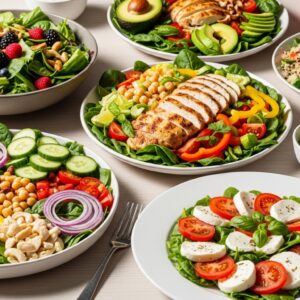
- Large Salad with Lean Protein: Combine mixed greens, cucumber, tomatoes, bell peppers, and grilled chicken breast or chickpeas. Use a light vinaigrette dressing. This offers significant volume and nutrients.
- Lettuce Wraps: Instead of bread, use large lettuce leaves to wrap lean ground turkey, finely chopped vegetables, and a light sauce. These are remarkably refreshing.
- Vegetable Soup: A hearty, broth-based vegetable soup can be incredibly filling and low in calories. Prepare a large batch for meal prepping throughout the week. For instance, a minestrone or lentil soup is perfect.
Dinner Low-Calorie Recipes for the Whole Family
Dinner can be the most challenging meal to keep low-calorie, especially when cooking for others. However, many family-friendly dishes can be easily adapted.
Family Favorites, Reimagined:
- Sheet Pan Lemon Herb Chicken & Veggies: Toss chicken breast pieces with broccoli, bell peppers, and zucchini, seasoned with lemon and herbs. Roast on a single sheet pan for an easy, flavorful meal. This method minimizes oil use.
- Lean Turkey Stir-Fry: Sauté lean ground turkey with a medley of colorful vegetables (carrots, snap peas, mushrooms) and a low-sodium soy sauce or tamari. Serve with a small portion of brown rice or quinoa. Consequently, it’s quick and customizable.
- Baked Salmon with Asparagus: Salmon is rich in healthy fats, and baking it with asparagus is a simple, elegant, and low-calorie option. A squeeze of lemon enhances the flavor profile.
Snacks & Desserts: Guilt-Free Indulgences
Snacking can be part of a healthy low-calorie diet, provided you choose wisely. Desserts can also be enjoyed in moderation.
Smart Snacking:
- Fresh Fruit: Apples, oranges, berries, and melon are naturally sweet and packed with vitamins. Moreover, they are easy to grab and go.
- Vegetable Sticks with Hummus: Carrots, celery, and cucumber sticks paired with a small serving of hummus offer fiber and protein. However, be mindful of hummus portion sizes.
- Rice Cakes with Avocado: A light snack that can be surprisingly satisfying. A sprinkle of everything bagel seasoning adds a nice touch.
Light Dessert Options:
- Greek Yogurt Parfait: Layer Greek yogurt with fresh fruit and a tiny amount of low-sugar granola.
- Baked Apple with Cinnamon: A warm and comforting dessert that is naturally sweet. Furthermore, it’s very easy to prepare.
Tips for Successful Low-Calorie Cooking
Mastering the art of preparing Low-Calorie Recipes involves more than just ingredient selection; it also encompasses cooking techniques and mindful eating habits.
Portion Control is Key
Even healthy foods can lead to excess calorie intake if portions are too large. Use measuring cups and a food scale, especially when starting out, to understand appropriate serving sizes. Therefore, you can accurately track your intake.
Smart Cooking Methods
Opt for cooking methods that require minimal added fats. Grilling, baking, roasting, steaming, and stir-frying with a small amount of oil or cooking spray are excellent choices. Conversely, deep-frying should be avoided.
Flavor Without Calories
Enhance the flavor of your dishes using herbs, spices, lemon juice, vinegar, and low-sodium broths. These additions provide depth and excitement without adding significant calories. For instance, a dash of chili flakes can transform a simple vegetable dish.
Hydration
Drinking plenty of water throughout the day can help you feel full and prevent overeating. Sometimes, thirst can be mistaken for hunger. Consequently, keeping a water bottle handy is a good strategy.
Meal Prepping
Planning and preparing your meals in advance can prevent impulsive, unhealthy food choices. Dedicate time once a week to chop vegetables, cook grains, and portion out proteins. This makes sticking to your low-calorie goals much easier. Consequently, you save time during busy weekdays.
Conclusion
Incorporating Low-Calorie Recipes into your diet is a powerful and sustainable strategy for achieving health and weight management goals. By focusing on nutrient-dense, whole foods and employing smart cooking techniques, you can enjoy a wide variety of delicious and satisfying meals. Remember that success lies in mindful eating, portion control, and consistent effort. Embrace the journey of discovering new flavors and healthier habits, and you will find that eating well can be both enjoyable and incredibly rewarding.
Want to read more Famous Food about click here
Big Shoutout to the guys who made this blog happen UDM.
Frequently Asked Questions (FAQ)
Q: Are low-calorie recipes always bland or unsatisfying?
A: Absolutely not! Many people mistakenly believe that low-calorie meals lack flavor. However, by utilizing a diverse range of herbs, spices, fresh vegetables, and lean proteins, you can create incredibly flavorful and satisfying dishes. The key is to experiment with different seasonings and cooking methods that enhance natural flavors.
Q: How do I know if a recipe is truly low-calorie?
A: To determine if a recipe is low-calorie, you should consider the caloric content per serving. Generally, recipes focusing on lean proteins, abundant non-starchy vegetables, and minimal added fats and sugars tend to be low-calorie. Many online recipe platforms and apps provide nutritional information, making it easier to track. Furthermore, understanding basic caloric values of common ingredients helps in making informed choices.
Q: Can I still eat out while following a low-calorie diet?
A: Yes, you can! Eating out is still possible with a low-calorie diet, though it requires mindful choices. Look for grilled or baked options, ask for sauces and dressings on the side, and prioritize dishes rich in vegetables and lean protein. Avoid fried foods, creamy sauces, and excessive portions. Many restaurants now offer nutritional information, which can be very helpful.
- https://famousfoodblog.com/nutrition-guides-your-path-to-optimal-health/
- https://famousfoodblog.com/traditional-food-a-culinary-journey-through-history/
- https://famousfoodblog.com/diet-friendly-recipes-delicious-healthy-meals/
- https://famousfoodblog.com/sugar-free-recipes-delicious-healthy-options/
- https://famousfoodblog.com/cheeses-pizza-a-deep-dive-into-dairy-delights/