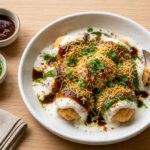
Best Nihari Recipe – Traditional Pakistani Beef Nihari
If you are looking for the best Nihari recipe, you have come to the right place. Nihari is one of the most beloved slow-cooked dishes in Pakistani and South Asian cuisine. It is rich, deeply spiced, and full of bold flavor that builds over hours of gentle simmering. Moreover, it holds a very special place in the hearts of people across Pakistan, India, and the Pakistani diaspora worldwide.
Originally, Nihari was a dish of the Mughal royal kitchens. Cooks prepared it overnight and served it at the break of dawn the word “Nihari” itself comes from the Arabic word “Nahar,” meaning day. Therefore, this dish has both a royal history and a deeply rooted cultural significance.
However, today Nihari is not just street food or restaurant fare. It is something families cook at home on weekends, during Eid celebrations, and on special occasions. The slow cooking process breaks down the beef until it is fall-apart tender. The gravy becomes thick, dark, and intensely aromatic. In addition, the toppings crispy fried onions, fresh ginger, green chilies, and a squeeze of lemon — add layers of texture and brightness that make every bite unforgettable.
In this article, we will walk you through a complete, authentic, and easy-to-follow best Nihari recipe. Whether you are a beginner or an experienced home cook, this guide will help you make restaurant-quality Nihari right in your own kitchen.
What Makes Nihari So Special
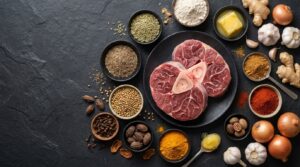
Nihari is not just another curry. It is a slow-cooked masterpiece that takes patience, the right spices, and good-quality beef to get right.
The thing that sets Nihari apart from other Pakistani dishes is the depth of its flavor. Because the meat simmers on low heat for several hours, it absorbs every spice fully. The result is a gravy that tastes rich, smoky, and incredibly complex. Furthermore, the use of wheat flour (atta) as a thickener gives the gravy a silky, coating texture that is completely unique to this dish.
In addition to flavor, Nihari is also a comfort food in the truest sense. It warms you from the inside. Therefore, it is often the dish people crave during cold mornings, family gatherings, or after a long week.
Ingredients You Need for the Best Nihari Recipe
Getting the ingredients right is the most important step. Below is everything you need for an authentic, full-flavored Nihari.
For the Meat:
- 1 kg beef shanks (nalli) or beef shoulder, cut into large pieces
- 250g bone marrow pieces (nalli) — optional but highly recommended
- 4 tablespoons ghee or oil
For the Nihari recipe Masala (Spice Mix):
- 2 teaspoons fennel seeds (saunf)
- 1 teaspoon cumin seeds
- 1 teaspoon coriander seeds
- 1/2 teaspoon black pepper
- 1/2 teaspoon black cardamom (badi elaichi) seeds only
- 1/4 teaspoon cloves
- 1/4 teaspoon nutmeg powder
- 1/4 teaspoon mace (javitri)
- 1/2 teaspoon dried ginger powder (sonth)
- 1 teaspoon Kashmiri red chili powder (for color)
- 1 teaspoon regular red chili powder (adjust to taste)
- 1 teaspoon salt (adjust as needed)
For the Base:
- 2 large onions, thinly sliced and deep-fried until golden (birista)
- 2 tablespoons ginger-garlic paste
- 4–5 tablespoons whole wheat flour (atta) mixed in 1 cup water
- 1.5 liters of warm water
For Garnish:
- Fresh ginger, julienned
- Green chilies, thinly sliced
- Fresh coriander leaves
- Fried onions (birista)
- Lemon wedges
How to Make Your Own Nihari recipe Masala at Home
You can buy ready-made Nihari masala from the store. However, making it fresh at home gives you a far superior result. Moreover, it takes only 5 minutes.Dry roast the fennel seeds, cumin, coriander seeds, black pepper, black cardamom seeds, and cloves in a pan over medium heat. Stir constantly for about 2 to 3 minutes until they become fragrant. Then remove from heat and let them cool completely.After cooling, grind all the roasted spices together in a spice grinder or blender. Add the nutmeg powder, mace, dried ginger powder, and red chili powders to the ground mixture. Stir everything together. Your homemade Nihari masala is now ready. Store any leftover masala in an airtight jar for up to a month.
Step-by-Step Cooking Instructions
Follow these steps carefully for perfect results every time.
Step 1 — Sear the Meat
Heat ghee in a large heavy-bottomed pot over high heat. Add the beef pieces and bone marrow. Sear the meat on all sides until it turns a deep golden-brown color. This step builds the base flavor of your Nihari. Therefore, do not skip it. Remove the meat and set it aside.
Step 2 — Cook the Aromatics
In the same pot, lower the heat to medium. Add the ginger-garlic paste and stir it for about 1 minute. Then add your prepared Nihari masala. Stir the spices into the remaining ghee and cook for another 2 minutes. The spices will bloom and release their aroma at this point.
Step 3 — Add the Meat Back
Return the seared beef and bone marrow to the pot. Stir everything together so the meat is well coated in the spice mixture. Then add the fried onions (birista) and mix well.
Step 4 — Add Water and Slow Cook
Pour in the warm water and bring it to a boil. Once it boils, lower the heat to its lowest setting. Cover the pot tightly with a lid. Let the Nihari cook on low heat for at least 3 to 4 hours. However, for the best result, cook it for 5 to 6 hours or even overnight.Check every hour to make sure there is enough liquid. Add a little warm water if needed. Stir gently to avoid breaking the meat.
Step 5 — Thicken the Gravy
After the meat becomes very tender, mix the wheat flour with water to make a smooth slurry. Slowly pour this slurry into the pot while stirring gently. This step thickens the gravy and gives it that signature silky texture. Cook for another 20 to 30 minutes on low heat after adding the slurry.
Step 6 — Final Seasoning
Taste the gravy and adjust the salt and chili level. If the gravy is too thin, cook uncovered for a few more minutes. If it is too thick, add a small amount of warm water.
Pro Tips for a Perfect Nihari Every Time
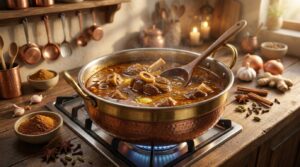
Even experienced cooks sometimes struggle with Nihari recipe on their first attempt. Therefore, here are some key tips to help you get it right.
Use Beef Shanks with Bone Bone-in beef shanks give the best flavor. The collagen and marrow from the bones melt into the gravy during long cooking. This makes the gravy naturally thick, rich, and glossy. In addition, bone marrow pieces (nalli) add a luxury texture that is very hard to replicate any other way.
Low and Slow is the Secret Never try to rush Nihari by cooking it on high heat. High heat toughens the meat fibers. Moreover, it causes the spices to taste sharp and unbalanced. Low, slow simmering is non-negotiable for authentic Nihari.
Fried Onions Are Not Optional Birista (fried onions) add sweetness, body, and color to the gravy. Furthermore, they help the Nihari achieve its characteristic deep brown color. Always fry the onions until they are fully golden and crisp before adding them to the pot.
Rest Before Serving After cooking, let the Nihari rest with the lid on for at least 15 to 20 minutes before serving. This resting period allows the flavors to settle and deepen even further.
How to Serve Nihari the Traditional Way
Serving Nihari recipe properly is almost as important as cooking it well. In addition, proper presentation makes the dish feel even more special.
Ladle the Nihari into individual serving bowls or a large serving dish. Spoon some bone marrow on top if available. Then arrange the garnishes: a small pile of julienned ginger, some sliced green chilies, a handful of crispy fried onions, and a sprinkle of fresh coriander. Place a lemon wedge on the side.
Nihari is always served with fresh naan or tandoori roti. However, you can also serve it with sheermal (a lightly sweet saffron flatbread) for a more traditional Mughal-style experience. Kulcha naan also pairs extremely well with this dish.
Can You Make Nihari in a Pressure Cooker or Slow Cooker
Many home cooks ask whether they can use shortcuts. The answer is yes — with some notes.
Pressure Cooker Method: You can pressure cook the beef for 45 to 60 minutes instead of slow simmering for hours. However, the flavor will not be as deep. Therefore, after pressure cooking, transfer everything to an open pot and simmer uncovered for another 30 to 45 minutes to develop the flavor and reduce the gravy.
Slow Cooker Method: This is actually a great option for Nihari. Set your slow cooker to low and cook for 8 to 10 hours. Moreover, the result is very close to the traditional overnight cooking method. This is a convenient option if you want to prepare Nihari while you are at work or asleep.
Common Mistakes to Avoid
Many first-time Nihari cooks make the same errors. Therefore, knowing these mistakes in advance will save your dish.
Adding Cold Water: Always add warm or hot water to the pot. Cold water drops the cooking temperature sharply and can make the meat tough.
Skipping the Sear: Searing the meat before slow cooking creates a Maillard reaction a chemical process that adds deep, roasted flavor. Skipping it results in a flat-tasting Nihari.
Too Much Flour Slurry: Adding too much wheat flour makes the gravy starchy and heavy. Start with 4 tablespoons and add more only if needed.
Not Tasting While Cooking: Always taste and adjust the seasoning at different stages. Moreover, add more chili or salt gradually rather than all at once.
Storing and Reheating Nihari
One of the best things about Nihari is that it tastes even better the next day. Therefore, it is a great dish [Nihari recipe]to make ahead of time.
Store leftover Nihari in an airtight container in the refrigerator for up to 3 days. The fat from the ghee and marrow will solidify on top when cold. Simply remove this fat layer before reheating if you prefer a lighter dish, or stir it back in for full flavor.
To reheat, place the Nihari in a pot over low heat. Add a splash of water if the gravy has thickened too much in the fridge. Stir gently and heat until it returns to a simmer. Nihari also freezes very well for up to 2 months.
Variations of Nihari You Should Try
Once you master the classic beef Nihari, you can explore some exciting regional and modern variations.
Mutton Nihari: Replace beef with bone-in mutton (goat) pieces. Mutton Nihari recipe has a slightly gamey but rich flavor. Furthermore, it requires a similar cooking time to beef.
Chicken Nihari: A lighter version that is quicker to cook. However, it needs only 1.5 to 2 hours of simmering. Use bone-in chicken pieces for the best flavor.
Beef Nihari with Paya: Some cooks add trotters (paya) alongside the beef shanks. This adds even more collagen to the gravy, resulting in a very thick and luxurio
us texture.
The Nutritional Side of Nihari
Nihari is a calorie-dense dish due to the ghee, bone marrow, and fatty cuts of beef. However, it also provides significant nutritional value.
Beef shanks are an excellent source of high-quality protein, iron, and zinc. Bone marrow contains healthy fats and collagen, which support joint health. Moreover, [Nihari recipe] the spices used ginger, fennel, cumin, and coriander all have well-documented anti-inflammatory and digestive properties.
Therefore, while Nihari is a rich dish, it also delivers real nutrients. Enjoy it as part of a balanced diet, particularly after physical activity or during colder months when the body benefits from calorie-dense, warming meals.
According to Serious Eats, slow-cooked braised meats retain more moisture, collagen, and flavor than fast-cooking methods — which explains exactly why traditional Nihari is so uniquely satisfying compared to quick curry alternatives.
Why This Recipe Belongs in Your Collection
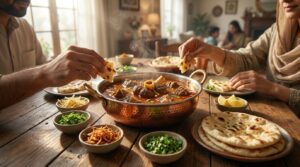
The best Nihari recipe is one that feels authentic, smells incredible, and brings people together around the table. This recipe checks all three boxes. Moreover, it is flexible you can adjust the spice level, swap the protein, or use modern cooking tools without losing the soul of the dish.
If you enjoy rich, slow-cooked Pakistani food, you will also love exploring other deeply flavored dishes. For more classic recipes and traditional Pakistani cooking inspiration, visit Famous Food Blog where you will find a growing collection of authentic and tested recipes that bring the best of South Asian cuisine to your home kitchen.
For further reading on the history and cultural importance of Nihari in South Asian cuisine, the BBC Good Food guide to Pakistani cooking provides a wonderful cultural and culinary context that will deepen your appreciation for dishes like this one.
You may also enjoy exploring more traditional Pakistani recipes on Famous Food Blog, including Pakistani beef karahi and authentic haleem two other slow-cooked classics that pair beautifully with the cooking style you will develop while mastering Nihari.
Conclusion
Nihari is more than just a recipe. It is a tradition, a piece of history, and one of the most rewarding dishes you will ever cook at home. The slow simmering, the hand-ground spices, the fall-apart beef, and the deeply aromatic gravy all come together to create something truly extraordinary. Moreover, once you make it from scratch, you will never look at a packet mix the same way again.
The best Nihari recipe is the one made with patience, quality ingredients, and a little love. Therefore, do not rush the process. Let the low heat do its work. Trust the spices. And when that lid finally comes off and the steam rises from the pot, you will know instantly that every hour was worth it.
Whether you are cooking for family on a Sunday morning, preparing a dish for Eid, or simply craving something warm and deeply satisfying, this traditional Pakistani beef Nihari will deliver every single time. In addition, with the tips, variations, and step-by-step guidance in this article, you now have everything you need to make it confidently.So gather your ingredients, heat up that ghee, and get cooking. Your best Nihari is waiting.
Frequently Asked Questions
Q1. What cut of beef is best for Nihari?
Beef shanks (also called nalli) are the best cut for Nihari. They contain a good amount of connective tissue and bone marrow, which break down during long, slow cooking. This gives the gravy its signature thick, silky texture. However, if shanks are not available, bone-in beef shoulder or beef neck also work very well. Always choose bone-in cuts over boneless for the richest flavor.
Q2. How long should I cook Nihari for the best result?
For the most authentic and flavorful Nihari, cook it for a minimum of 4 to 5 hours on low heat. Moreover, the traditional method involves cooking it overnight anywhere from 6 to 8 hours which produces the deepest flavor and the most tender meat. If you use a pressure cooker, 45 to 60 minutes of pressure cooking followed by 30 minutes of open simmering gives a reasonable result. However, nothing truly replaces the slow overnight method for genuine taste and texture.
Q3. Can I make Nihari without wheat flour?
Yes, you can. Wheat flour (atta) is the traditional thickener used in Nihari, but it is not the only option. If you prefer a gluten-free version, you can use rice flour or cornstarch mixed with water as a slurry instead. The texture will be slightly different a little lighter but the flavor will remain authentic. In addition, cooking the gravy uncovered for a longer period also helps to reduce and naturally thicken it without any flour at all.
Want to read more Famous Food about click here.
Big Shoutout to the guys who made this blog happen UDM.