If you are looking for the perfect spaghetti recipe, you have come to the right place. Spaghetti is one of the most loved pasta dishes in the world. People enjoy it in homes, restaurants, and everything in between. However, not every plate of spaghetti is created equal. The difference between a good bowl and a truly great one lies in the details — the quality of ingredients, the technique, and a little bit of love.
This recipe brings together a rich, slow-cooked tomato meat sauce with perfectly al dente spaghetti. Moreover, it uses simple, everyday ingredients that you probably already have in your kitchen. Whether you are cooking for your family on a weeknight or hosting guests on a weekend, this dish never fails to impress.
In addition, this guide walks you through every step clearly and in detail. You do not need to be a professional chef to get this right. Therefore, even beginners can follow along with confidence. We will cover everything — from the ingredients and their exact measurements, to the cooking method, sauce tips, and common mistakes to avoid.
Furthermore, we will share pro tips that take this spaghetti recipe to the next level. By the end of this article, you will know exactly how to make spaghetti that tastes like it came straight from an Italian kitchen. So, let us get started.
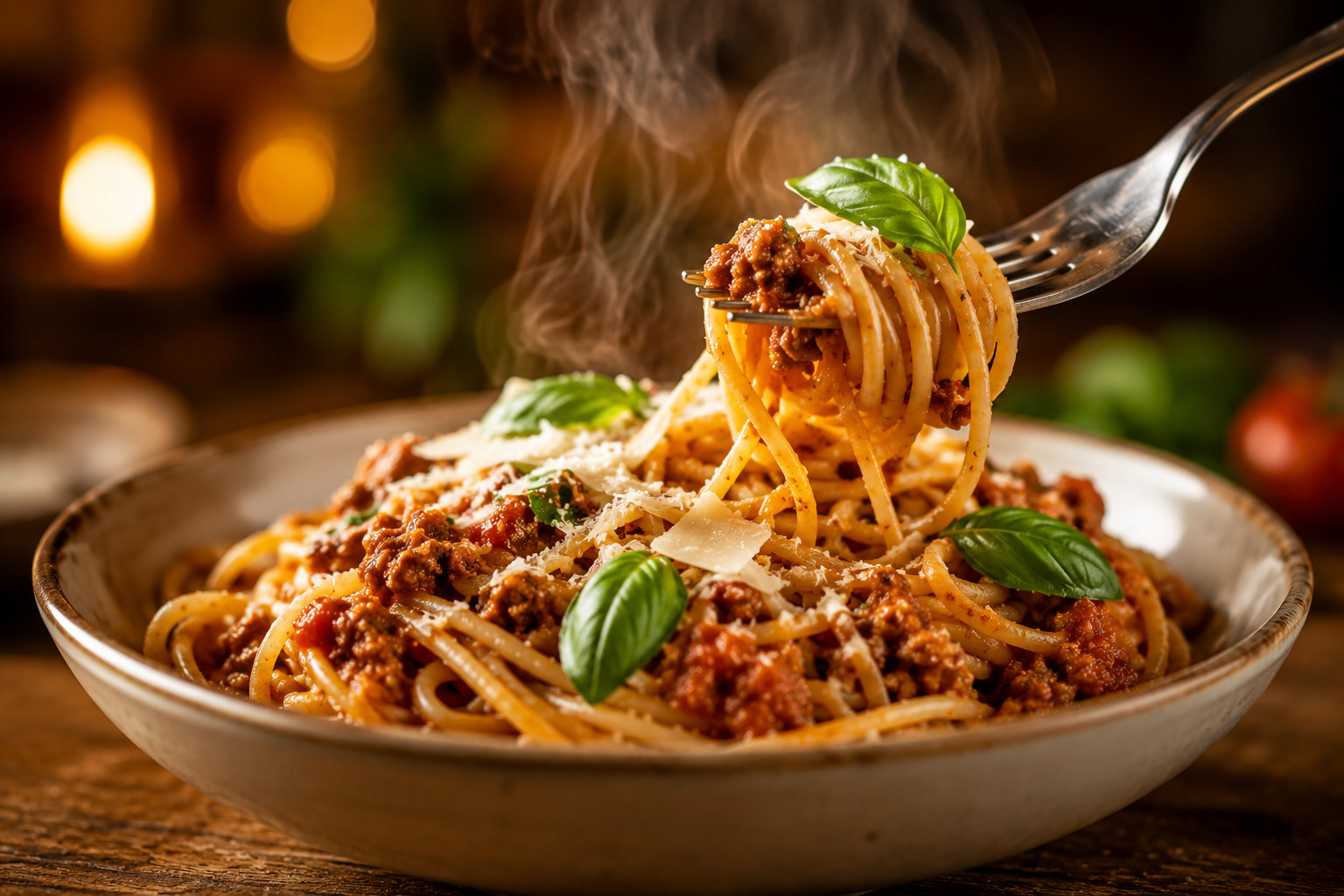
What Makes a Great Spaghetti Recipe
A great spaghetti recipe is not just about boiling pasta and pouring sauce on top. Instead, it is about balance — the right texture of noodles, the depth of the sauce, and the seasoning at every step.
First, the pasta itself matters a lot. You want spaghetti that is cooked al dente — firm to the bite, not mushy. Overcooking pasta is one of the most common mistakes home cooks make. Therefore, always follow the package time but taste the pasta one to two minutes early.
Second, the sauce is the heart of this dish. A rich, slow-simmered tomato sauce with quality ground meat creates a deep, savory flavor that you simply cannot rush. Moreover, using canned San Marzano tomatoes makes a noticeable difference in taste.
Finally, finishing touches like fresh basil, Parmesan cheese, and a drizzle of good olive oil bring everything together. These small details elevate the dish from ordinary to extraordinary.
Ingredients Table (All Measurements Included)
Below is a complete list of everything you need for this spaghetti recipe. All quantities are measured for 4 servings.
| Ingredient | Amount |
|---|---|
| Spaghetti (dried) | 400 g |
| Ground beef (or pork/beef mix) | 350 g |
| Olive oil | 3 tablespoons (45 ml) |
| Garlic cloves, minced | 4 cloves |
| Yellow onion, finely chopped | 1 medium (approx. 150 g) |
| Carrot, finely diced | 1 small (approx. 80 g) |
| Celery stalk, finely diced | 1 stalk (approx. 60 g) |
| Canned crushed tomatoes (San Marzano) | 800 g (2 x 400 g cans) |
| Tomato paste | 2 tablespoons (30 g) |
| Dry red wine (optional) | 120 ml (½ cup) |
| Beef or vegetable stock | 250 ml (1 cup) |
| Dried oregano | 1 teaspoon (2 g) |
| Dried basil | 1 teaspoon (2 g) |
| Red chili flakes (optional) | ¼ teaspoon (0.5 g) |
| Sugar | 1 teaspoon (4 g) |
| Salt | To taste |
| Black pepper | To taste |
| Fresh basil leaves | A small handful |
| Parmesan cheese, grated | 50 g |
| Pasta cooking water (reserved) | 120 ml (½ cup) |
Equipment You Will Need
You do not need any fancy tools for this recipe. However, having the right basic equipment makes the process smoother.
- A large pot (at least 5–6 litres) for boiling the pasta
- A wide, deep skillet or sauté pan for the sauce
- A wooden spoon or silicone spatula
- A sharp knife and cutting board
- A colander for draining the pasta
- A grater for the Parmesan
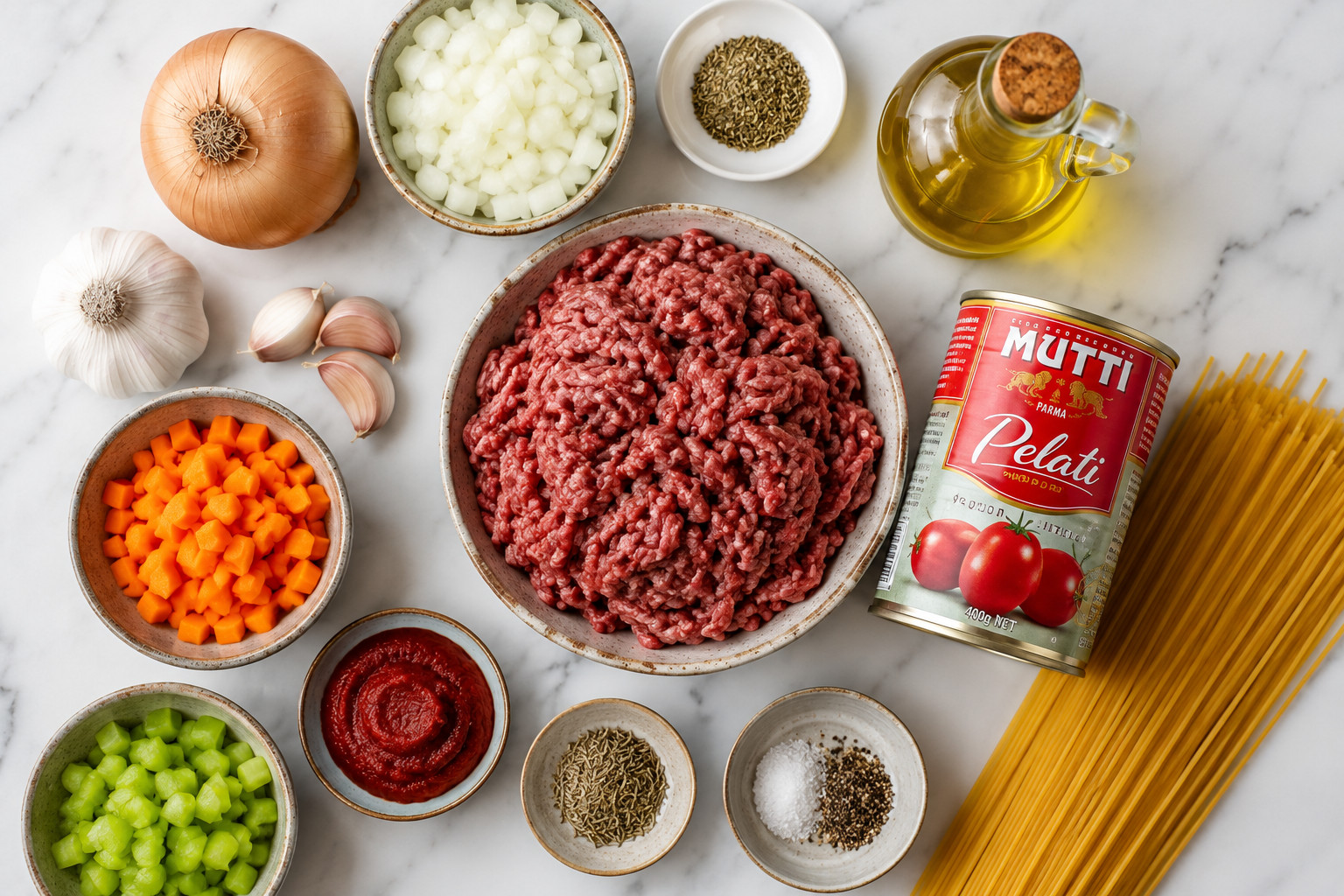
Step-by-Step Cooking Instructions For Spaghetti Recipe
Step 1: Prepare Your Vegetables
Start by finely chopping the onion, carrot, and celery. This combination is called a soffritto in Italian cooking, and it forms the flavor base of the sauce. Moreover, mince the garlic cloves and set everything aside before you heat the pan.
Having everything prepped and ready makes cooking much easier. Therefore, take five minutes to organize your ingredients before turning on the stove.
Step 2: Build the Sauce Base
Heat the olive oil in your wide skillet over medium heat. Add the chopped onion and cook for about 4–5 minutes until it turns soft and slightly translucent. Next, add the carrot and celery. Cook for another 3–4 minutes, stirring occasionally.
Add the minced garlic and cook for one more minute. Be careful not to burn the garlic — it should smell fragrant, not bitter. At this point, your kitchen will already smell incredible.
Step 3: Brown the Meat
Turn the heat up to medium-high and add the ground beef. Use your spoon to break it apart as it cooks. You want the meat to brown evenly, not steam. Therefore, avoid overcrowding the pan and resist the urge to stir it too quickly.
Season the meat with salt and black pepper. Cook until there is no more pink visible — this takes about 6–8 minutes. In addition, if your meat releases too much liquid, drain some of it off before moving on.
Step 4: Add Wine and Tomato Paste
If you are using red wine, pour it in now. Let it bubble and cook for 2–3 minutes so the alcohol evaporates but the flavor stays. This step adds a wonderful depth to the sauce. However, if you prefer to skip the wine, simply add a splash of beef stock instead.
Next, stir in the tomato paste. Let it coat the meat and cook for 1–2 minutes. This caramelizes the paste slightly and removes any raw flavor.
Step 5: Add Tomatoes and Simmer
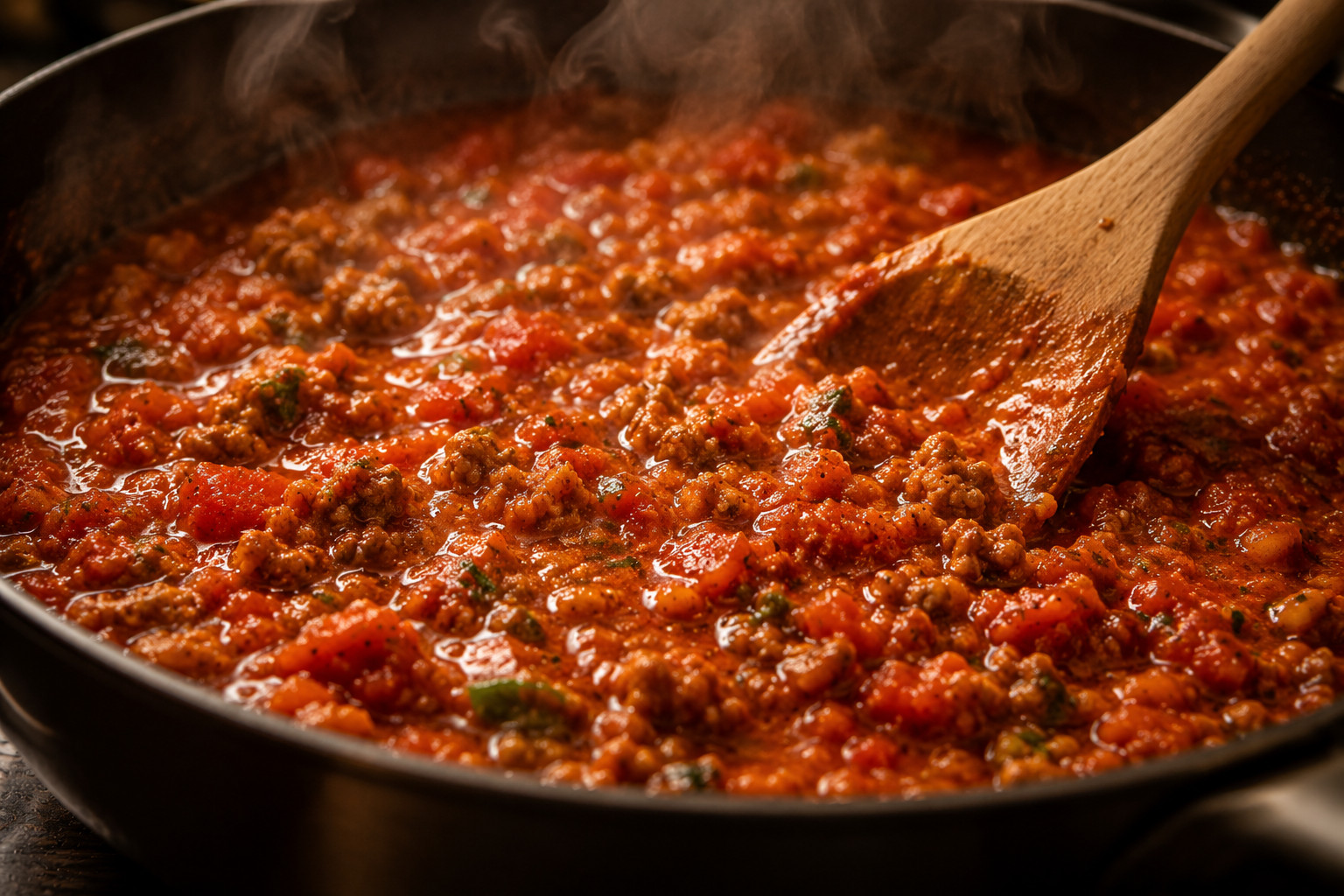
Pour in the crushed tomatoes and beef stock. Add the dried oregano, dried basil, chili flakes (if using), and the teaspoon of sugar. The sugar balances the acidity of the tomatoes — it does not make the sauce sweet. Stir everything well.
Reduce the heat to low. Let the sauce simmer uncovered for at least 30–40 minutes, stirring every 10 minutes. The longer it simmers, the deeper and richer the flavor becomes. Therefore, if you have time, simmer it for up to an hour.
Step 6: Cook the Spaghetti
About 15 minutes before the sauce is ready, bring a large pot of water to a rolling boil. Add a generous amount of salt — the water should taste like the sea. This is your only chance to season the pasta itself.
Add the spaghetti and cook according to package instructions, but taste it 1–2 minutes early. You want it al dente — cooked through but still with a slight bite.
Before draining, scoop out about half a cup of the starchy pasta water. You will use this to adjust the sauce consistency. Then drain the spaghetti and set it aside.
Step 7: Combine and Finish
spaghetti recipe,Add the drained spaghetti directly into the pan with the sauce. Toss everything together over low heat for 1–2 minutes. The pasta absorbs the sauce and everything comes together beautifully.
If the sauce feels too thick, add a splash of the reserved pasta water. This starchy water helps bind the sauce to the pasta. Moreover, it gives the dish a silky, restaurant-quality finish.
Taste and adjust seasoning one final time. Add more salt, pepper, or a pinch of sugar if needed.spaghetti recipe
How to Serve Spaghetti the Right Way
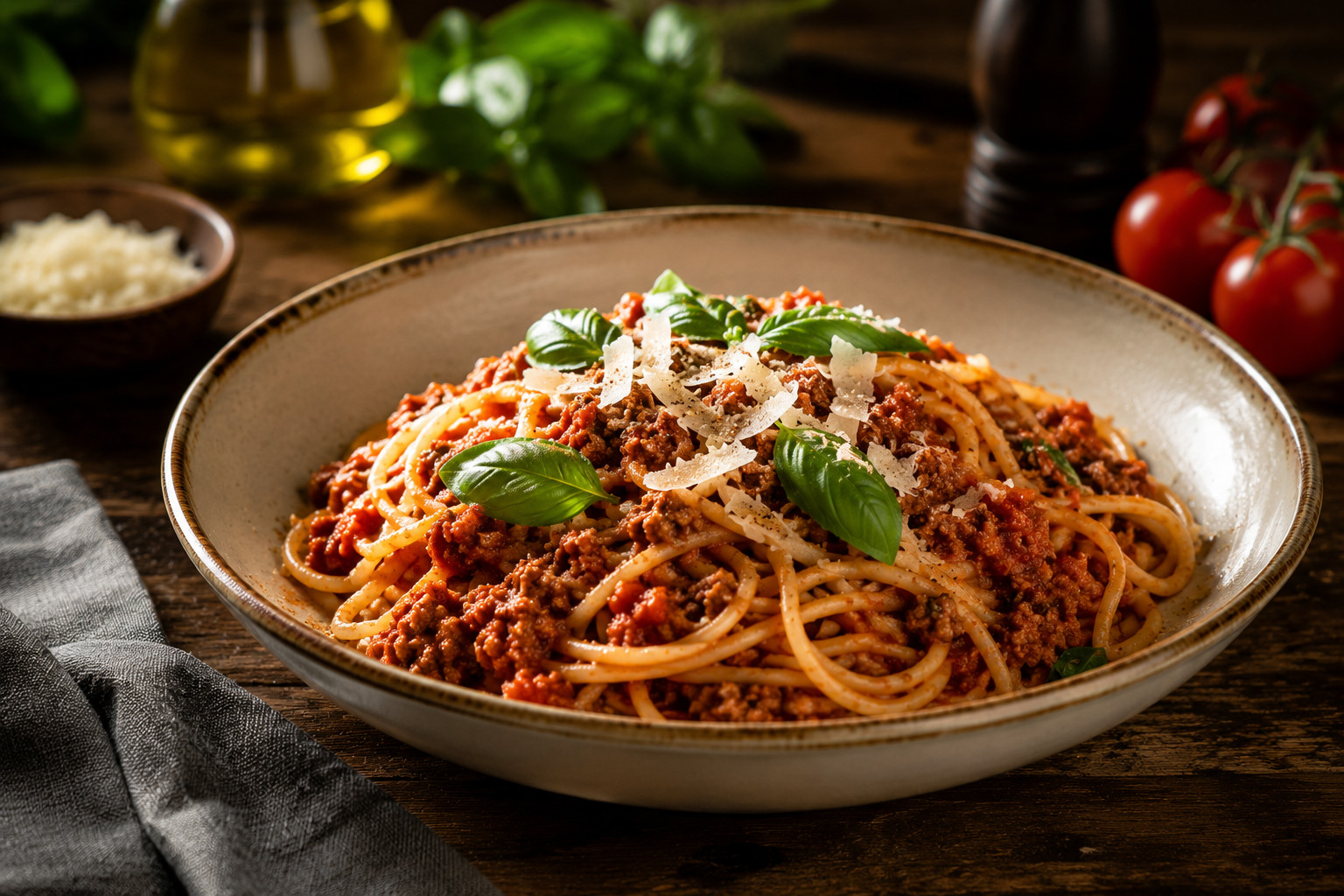
Presentation matters, even at home. Therefore, twirl the spaghetti into a nest shape in a warmed bowl. Spoon extra sauce over the top. Add a few fresh basil leaves and a generous amount of grated Parmesan.
A light drizzle of extra virgin olive oil at the end adds richness and gloss. Serve immediately — pasta waits for no one.
Pro Tips for the Best Results
- Salt your pasta water generously. Under-seasoned water leads to bland pasta, no matter how good your sauce is.
- Do not rinse the pasta. Rinsing removes the starch that helps sauce stick to the noodles.
- Simmer the sauce low and slow. High heat can make the sauce bitter. Moreover, patience gives you a much richer flavor.
- Use quality canned tomatoes. San Marzano tomatoes are sweeter and less acidic. They are worth the extra cost.
- Reserve pasta water. This is a chef’s secret that most home cooks skip. Do not skip it.
- Taste as you go. Seasoning at every stage makes a far better dish than seasoning only at the end.
Common Mistakes to Avoid
Even experienced cooks sometimes make errors with pasta. Here are the most common ones to watch out for:
Not salting the water enough. This is probably the most frequent mistake. Therefore, be generous — a tablespoon of salt per 5 litres of water is a good rule.spaghetti recipe
Cooking pasta too long. Mushy spaghetti ruins the dish. Always aim for al dente. In addition, remember that the pasta continues to cook slightly when you toss it in the hot sauce.
Rushing the sauce. A sauce that cooks for 15 minutes will taste very different from one that simmers for 45 minutes. Give it time.
Skipping the soffritto. Some people skip the onion, carrot, and celery to save time. However, this base gives the sauce its depth and sweetness.
Variations to Try
This spaghetti recipe is incredibly versatile. Therefore, once you master the base, you can easily adapt it.
- Vegetarian version: Replace the ground beef with lentils or finely chopped mushrooms. Both absorb the tomato sauce beautifully and create a hearty texture.
- Spicy version: Add more red chili flakes or a fresh chopped chili pepper for extra heat.
- Creamy version: Stir in 2–3 tablespoons of heavy cream at the very end for a richer, silkier sauce.
- Spaghetti Aglio e Olio: Skip the tomato sauce entirely and toss spaghetti with garlic, olive oil, chili, and parsley for a quick, simple alternative.
Storing and Reheating
Leftovers taste even better the next day because the flavors continue to develop overnight. Therefore, do not be afraid to make a big batch.
Store leftover sauce separately from the pasta in an airtight container. Keep it in the refrigerator for up to 4 days. The sauce also freezes very well for up to 3 months.
To reheat, warm the sauce gently in a pan over low heat. Add a splash of water or stock to loosen it. Cook fresh pasta separately and combine just before serving.
Final Thoughts on This Spaghetti Recipe
This spaghetti recipe proves that great food does not have to be complicated. With simple ingredients, a little patience, and the right technique, you can create a pasta dish that truly stands out. Moreover, once you make this at home, you will understand why homemade always beats store-bought sauce.
The key is to respect the process. Build your flavors slowly with the soffritto. Let the sauce simmer without rushing it. Cook your pasta to al dente and always finish it in the pan with the sauce. These are not difficult steps — they are just thoughtful ones.
In addition, this recipe is flexible enough to make your own. You can keep it classic with ground beef, go meatless with lentils, or add a spicy kick with chili flakes. Therefore, do not be afraid to experiment once you have the base down.
Whether this is your first time making spaghetti from scratch or you are looking to improve a recipe you already love, this guide gives you everything you need. So gather your ingredients, put on some good music, and enjoy the process. A bowl of homemade spaghetti, made with care, is one of life’s simple and genuine pleasures. We hope this becomes a recipe you come back to again and again.
Frequently Asked Questions
Q1: How do I keep spaghetti from sticking together after cooking?
The best way to prevent spaghetti from sticking is to toss it with the sauce immediately after draining. Do not let it sit in the colander for long. Moreover, never rinse cooked pasta with cold water — this removes the starch that helps the sauce cling. If you need to hold the pasta for a few minutes, toss it with a small drizzle of olive oil to keep the strands separate.
Q2: Can I make the spaghetti sauce ahead of time?
Absolutely — and in fact, the sauce tastes even better the next day. The flavors deepen and come together more fully after resting overnight. Therefore, making the sauce a day ahead is a great time-saving strategy, especially when cooking for guests. Store it in an airtight container in the refrigerator for up to 4 days, or freeze it for up to 3 months. Simply reheat gently on the stove and cook fresh pasta when you are ready to serve.
Q3: What type of spaghetti works best for this recipe?
ng-[1.7]”>Dried spaghetti made from 100% durum wheat semolina works best for this recipe. It holds its shape well during cooking and has the right texture to stand up to a meaty sauce. However, if you prefer fresh pasta, that works too — just reduce the cooking time significantly since fresh pasta cooks in 2–3 minutes. Bronze-die extruded pasta is also an excellent choice because its rough surface grips the sauce better than smooth, factory-extruded varieties.
Want to read more Famous Food about click here.
Big Shoutout to the guys who made this blog happen UDM.