Gulab Jamun Recipe – Soft, Spongy

This gulab jamun recipe works great for both beginners and experienced bakers looking to master this beloved sweet. You’ll learn the key techniques for creating the perfect dough consistency and the exact sugar syrup texture that makes these golden spheres absorb maximum flavor. We’ll also cover essential shaping and frying methods that guarantee your gulab jamun stays intact and develops that signature soft interior.
Understanding Gulab Jamun Basics
Gulab jamun stands as one of the most beloved Indian sweets, renowned for its exceptionally soft and spongy texture that melts in your mouth. This traditional dessert consists of deep-fried balls made from a milk-based dough that achieves its characteristic lightness through careful preparation and proper ingredient ratios.
The foundation of authentic gulab jamun lies in its milk solids, which create the distinctive tender crumb that enthusiasts cherish. When properly prepared, these sweet spheres should feel remarkably light and airy during frying, indicating the perfect texture development. The dough must be mixed gently rather than kneaded to prevent gluten formation, which would result in dense, heavy jamuns that fail to absorb the flavored syrup effectively.
The signature spongy quality comes from the careful balance of binding ingredients and moisture content. Too little moisture results in hard jamuns, while excessive moisture causes them to break apart during frying. The ideal texture allows the sweet to expand slightly when soaked in syrup, creating that coveted melt-in-your-mouth experience.
Rose-Flavored Sugar Syrup Soaking Method
The name “gulab jamun” literally translates to “rose berries,” reflecting the essential role of rose-scented sugar syrup in this beloved dessert. The soaking process transforms ordinary fried dough balls into the luxurious sweet we know and love.
The sugar syrup requires precise consistency – it should be sticky but not reach the one-thread stage during preparation. Rose water adds the characteristic floral aroma and subtle flavor that distinguishes authentic gulab jamun from other milk-based sweets. Gulab jamun recipe This fragrant syrup must be prepared to the exact thickness to ensure proper absorption without making the jamuns overly soft or causing them to break.
The soaking technique involves placing hot, freshly fried jamuns directly into the warm syrup. This temperature contrast is crucial for optimal absorption. The entire pan containing both jamuns and syrup should then be heated gently for 1-2 minutes on low flame, which helps the spheres absorb the rose-flavored syrup and achieve maximum softness. During this process, the jamuns will increase slightly in size as they soak up the aromatic liquid.
Two Main Preparation Methods: Milk Powder vs Khoya
Traditional gulab jamun preparation offers two distinct approaches, each with its own merits and applications.
Khoya Method (Traditional)
The authentic preparation method utilizes khoya (mawa), which represents evaporated milk solids created by continuously simmering milk until most moisture evaporates. For gulab jamun, either “chikna khoya” or “dhaap khoya” varieties work best, as these types contain more moisture than “danedar khoya” and “batti khoya.” This soft khoya mashes easily and creates the most authentic flavor profile.
The traditional recipe combines khoya with grated paneer, which adds to the tender texture. Additional ingredients include fine semolina (rava), all-purpose flour, baking powder, and cardamom powder. This method yields the richest taste and most authentic melt-in-your-mouth texture that characterizes premium gulab jamun.
Milk Powder Method (Convenient Alternative)
The milk powder variation offers accessibility for those without access to fresh khoya. Gulab jamun recipe While this method produces excellent results, it serves as a practical substitute rather than the traditional preparation. The milk powder approach maintains the essential characteristics of gulab jamun while simplifying ingredient sourcing and preparation time.
Both methods require careful attention to moisture balance and gentle mixing techniques to achieve the desired soft, spongy texture that makes gulab jamun recipe such a treasured dessert.
Essential Ingredients for Perfect Results
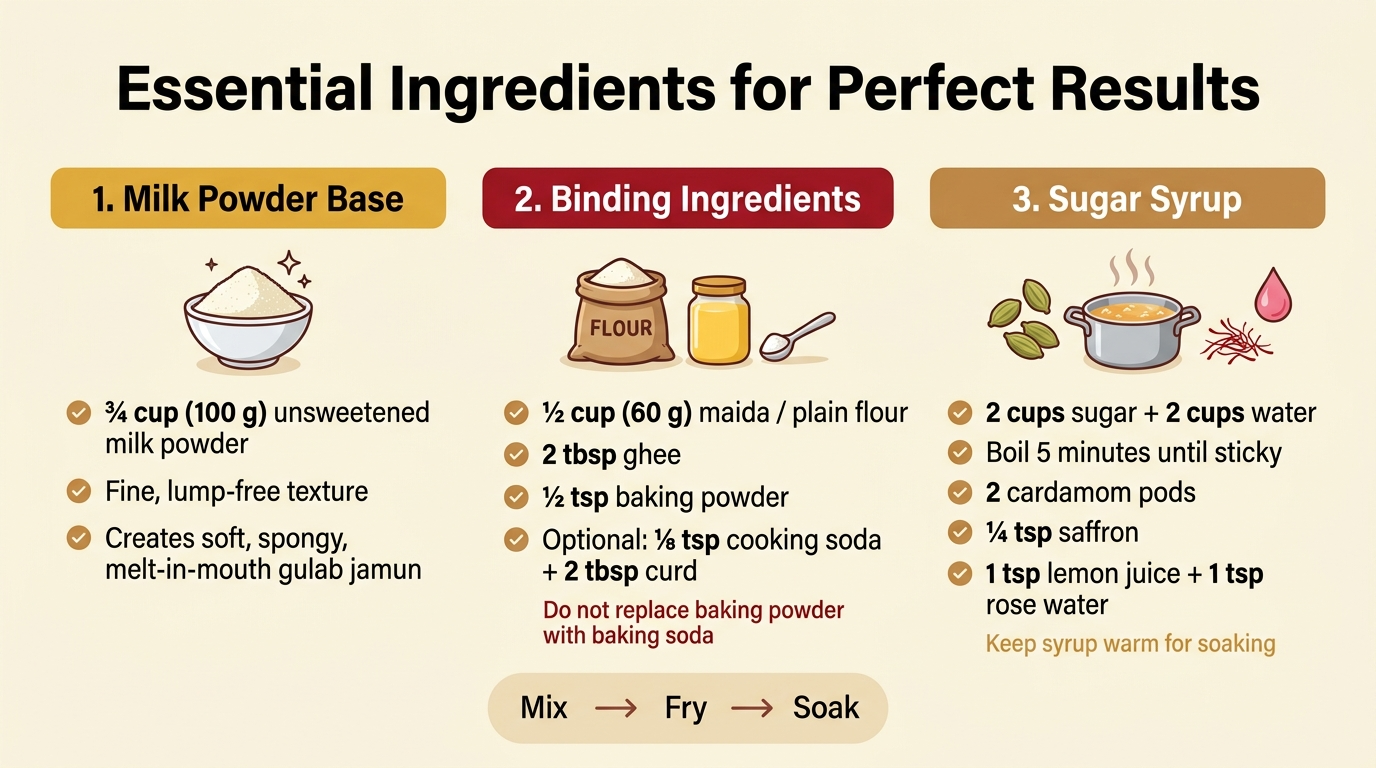
The quality of milk powder serves as the foundation for achieving the perfect gulab jamun texture. Using ¾ cup (100 grams) of unsweetened milk powder creates the ideal base for soft, spongy jamuns. High-quality milk powder acts as an instant mawa substitute, providing the essential milk solids that give gulab jamuns their characteristic rich, melt-in-mouth texture.
When selecting milk powder, ensure it’s unsweetened and has a fine, lump-free consistency. The milk powder creates the authentic taste while saving time compared to traditional mawa preparation. This ingredient plays a vital role in determining the final texture – poor quality milk powder can result in hard or dense jamuns that lack the desired sponginess.
Key Binding Ingredients: Flour, Ghee, and Baking Soda
The binding ingredients work together to create the perfect dough consistency for shaping uniform jamuns. Combine ½ cup (60 grams) of maida (plain flour) with the milk powder to provide structure and binding properties. The flour helps hold the jamuns together during frying while maintaining softness.
Add 2 tablespoons of ghee (clarified butter) to make the flour mixture moist and enhance flavor. The ghee creates richness and helps achieve the characteristic golden color during frying. Include ½ teaspoon of baking powder – this leavening agent is crucial for creating the light, airy texture. Never substitute baking powder with baking soda, as this can cause the jamuns to break while frying.
Some recipes also incorporate ⅛ teaspoon of cooking soda and 2 tablespoons of plain curd, which work together to make the jamuns softer and help them expand during cooking.
Sugar Syrup Components: Water, Sugar, Cardamom, Rose Water
The sugar syrup transforms fried jamuns into the beloved sweet treat. Prepare the syrup using 2 cups of sugar dissolved in 2 cups of water. Boil this mixture for 5 minutes until it reaches a sticky consistency – it should feel like oil when touched but must not form any string consistency.
Enhance the syrup with aromatic ingredients including 2 cardamom pods and ¼ teaspoon of saffron added during boiling. These spices infuse the syrup with traditional flavors and create an enticing aroma. After turning off the heat, add 1 teaspoon of lemon juice to prevent crystallization and 1 teaspoon of rose water for authentic flavor enhancement.
The syrup must remain warm when adding the fried jamuns to ensure proper absorption. This combination of sugar, spices, and aromatics creates the perfect medium for the jamuns to soak and double in size while developing their signature taste.
Creating the Perfect Dough Consistency
The foundation of perfect gulab jamuns lies in properly combining your dry ingredients. Start by measuring 1 cup milk powder and ¼ cup plus 1 tablespoon all-purpose flour (maida) accurately using proper measuring cups. Add a large pinch of baking soda – this precise amount is crucial as excess soda will cause the balls to break during frying or soaking.
Mix these dry ingredients thoroughly in a wide bowl, ensuring uniform distribution. For best results, sieve the mixture or mix it very well to eliminate any lumps and create a homogeneous blend. This step prevents uneven texture and ensures consistent results throughout your gulab jamun batch. The mixture should appear completely uniform before proceeding to the next step.
Gradual Milk Addition for Smooth, Crack-Free Dough
Creating the perfect dough consistency requires careful attention to liquid addition. Begin by preparing your wet ingredients: mix 1 tablespoon yogurt (or ¾ tablespoon lemon juice) with 2 tablespoons milk in a small bowl. This acidic component is essential for activating the baking soda and creating the characteristic soft texture.
Create a small well in the center of your dry ingredient mixture and pour approximately 1.5 tablespoons of the milk-yogurt mixture. Begin mixing gently, adding the remaining liquid gradually as needed. The amount of milk required may vary depending on your milk powder brand – some may need more moisture than others.
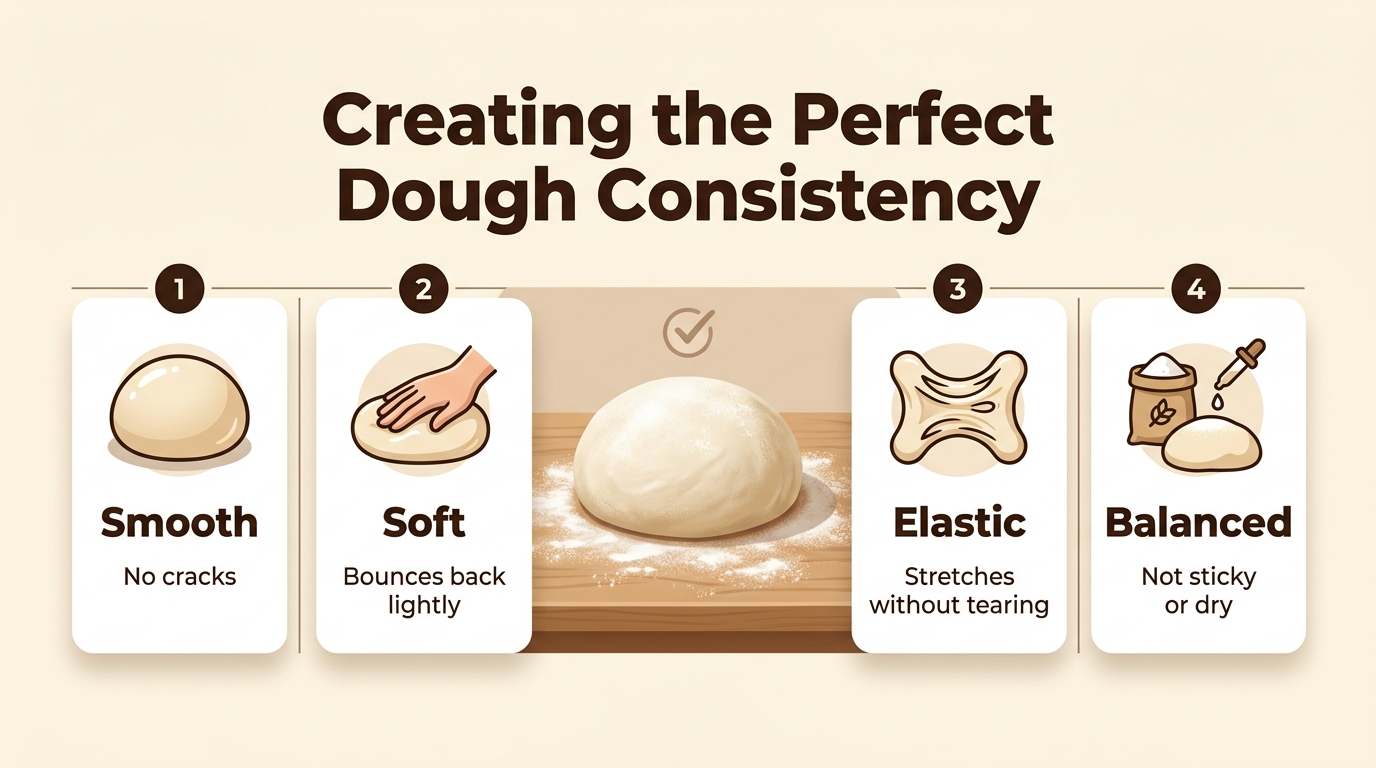
The dough will initially appear sticky and refuse to leave your fingers – this is normal and expected. Grease your fingers lightly and continue working the dough until it reaches the proper consistency. The final dough should be soft yet hold its shape well, appearing smooth without any visible cracks or dry patches.
Avoiding Over-Kneading to Prevent Hard Texture
The most critical aspect of dough preparation is handling technique. Unlike bread dough, gulab jamun dough should never be kneaded vigorously. Over-kneading develops gluten in the flour, resulting in tough, dense jamuns that lack the desired soft, spongy texture.
Instead, use gentle mixing motions to bring the ingredients together. The dough should be just combined enough to form a cohesive mass. Work with light hands, applying minimal pressure when forming the dough ball. The ideal consistency is slightly sticky but manageable – it should not be soggy or crumbly.
If your dough appears too dry or develops cracks, sprinkle a small amount of milk and mix gently until smooth. Conversely, if it becomes too sticky, add a teaspoon of plain flour to adjust the texture without significantly altering the final result. The prepared dough must be smooth and crack-free, as any imperfections will translate to cracks in your finished gulab jamuns.
Mastering Sugar Syrup Preparation
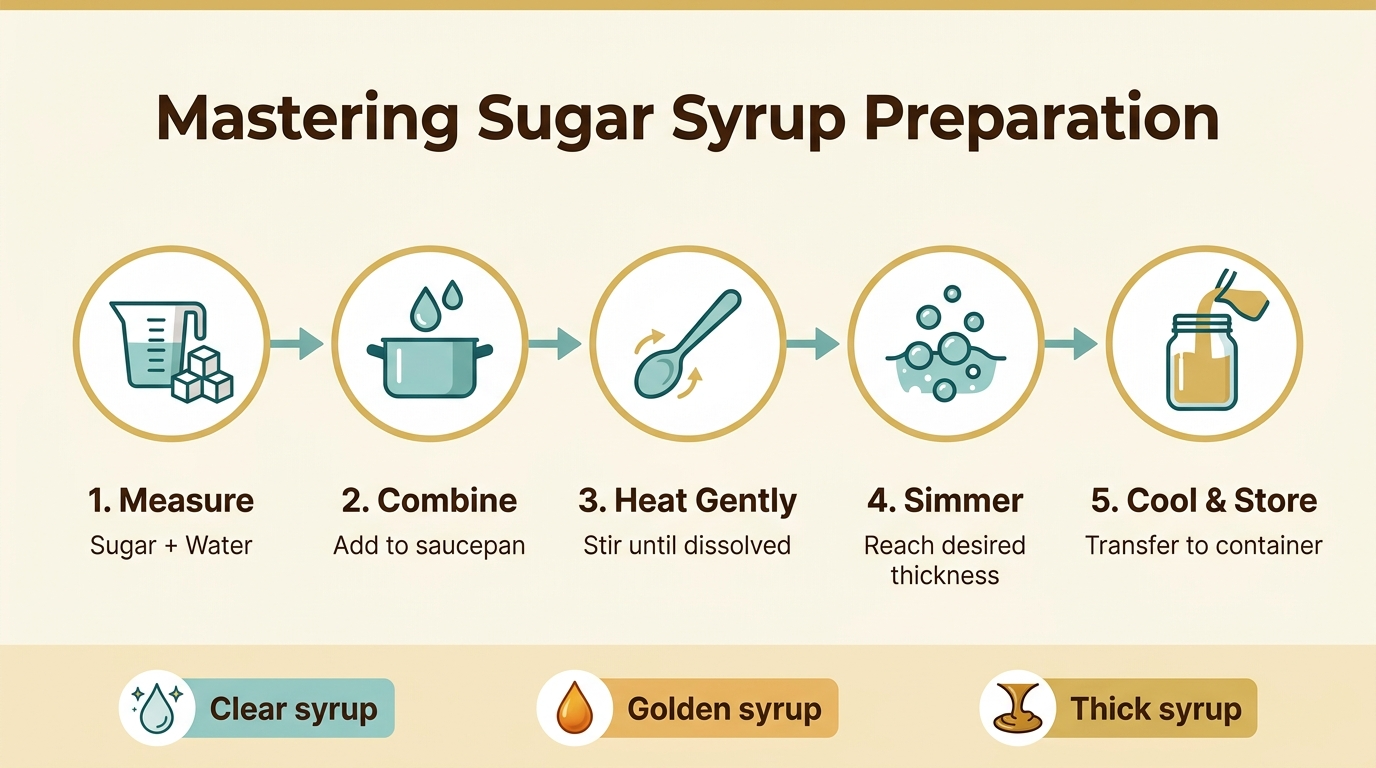
The key to perfect gulab jamun syrup lies in achieving the right consistency – sticky enough to coat and penetrate the jamuns, but not so thick that it forms threads. Use a 4:5 ratio of sugar to water (1 cup sugar to 1.25 cups water) specifically for gulab jamun preparation. This creates a thinner syrup that allows maximum absorption into the fried milk balls.
Bring the sugar and water mixture to a first boil, stirring continuously to ensure all sugar granules dissolve completely. Once the syrup reaches a rolling boil, remove it from heat immediately. The syrup should coat a spoon lightly but flow freely when poured. Avoid cooking the syrup to string consistency, as this creates a thick syrup that prevents proper absorption and can make the jamuns overly sweet.
Add lemon juice after removing from heat to prevent crystallization and create a well-balanced flavor profile. The acid in lemon juice stops sugar molecules from binding too tightly, maintaining the desired flowing consistency even during storage.
Wide pot selection for proper soaking space
Choose a deep and wide pot for preparing your gulab jamun syrup to ensure adequate soaking space. The wide surface area allows all jamuns to be submerged evenly without overcrowding, which is essential for uniform syrup absorption. A cramped pot restricts movement and can cause jamuns to break when stirring or turning.
The depth of the pot is equally important – it should accommodate the volume of syrup needed to completely cover all jamuns. This ensures every jamun receives equal exposure to the syrup, resulting in consistent texture and sweetness throughout the batch.
Temperature control for optimal absorption
Temperature control is crucial for achieving maximum softness in your gulab jamun recipe. Maintain the syrup at approximately 100°F (warm to touch) when adding the fried jamuns. This warm temperature facilitates easier and faster syrup absorption without causing the delicate jamuns to break apart.
Avoid using syrup that’s too hot, as excessive heat can cause the jamuns to crack or disintegrate. Conversely, cold syrup absorbs much slower and may result in uneven penetration. Keep the syrup gently warm on low heat throughout the soaking process, checking temperature regularly to maintain optimal conditions for absorption.
Shaping and Preparation Techniques
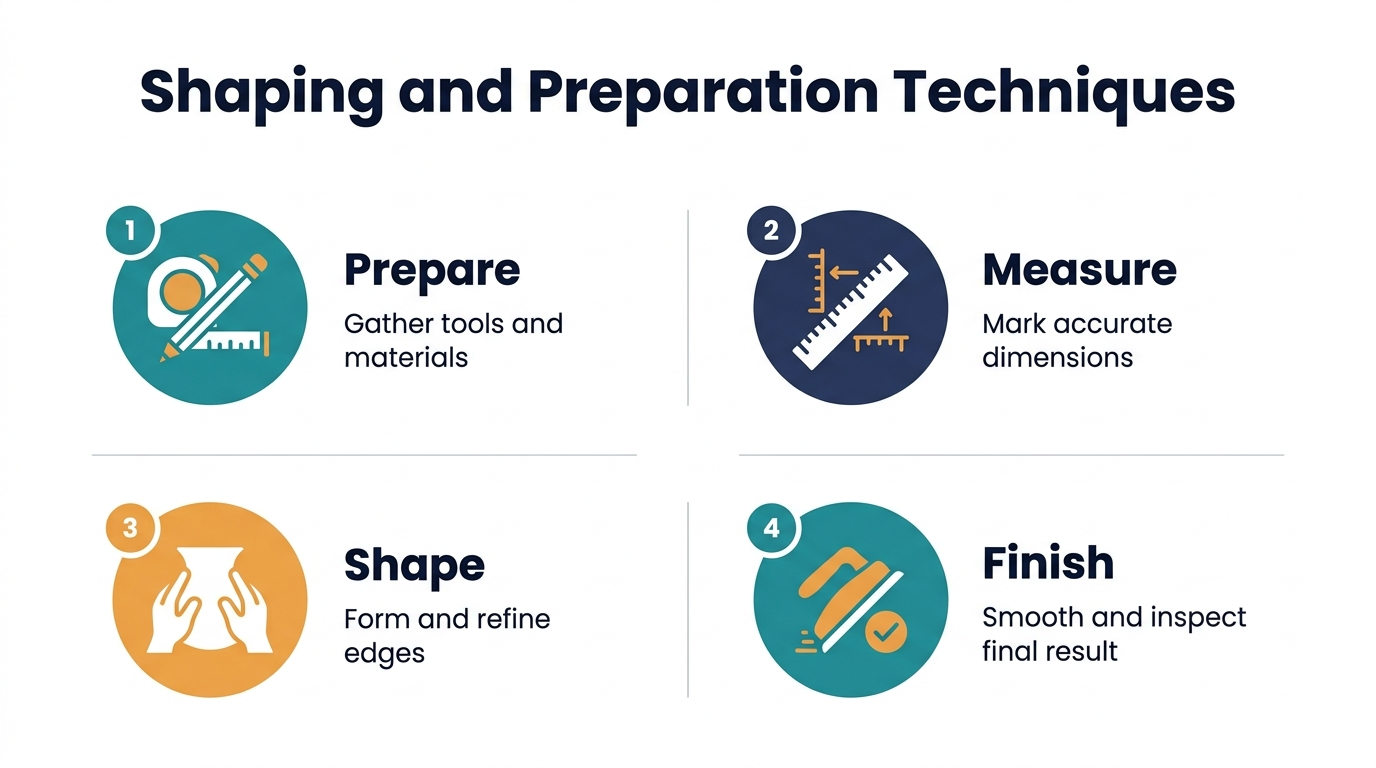
Achieving perfectly sized gulab jamuns begins with proper portioning of your prepared dough. Divide the dough into 14 to 18 equal-sized portions to ensure uniform cooking and consistent appearance. Using a measuring tablespoon as your guide, scoop approximately one tablespoon of dough for each jamun. This standardized approach prevents some balls from being overcooked while others remain undercooked during the frying process.
Equal portioning becomes crucial because gulab jamuns that vary significantly in size will cook at different rates. Smaller balls may become overly dark and hard, while larger ones might remain raw inside despite appearing golden on the exterior. Gulab jamun recipe The uniform size also ensures that all jamuns absorb the sugar syrup evenly during the soaking process, resulting in consistently soft and spongy texture throughout your batch.
Rolling Smooth, Crack-Free Balls
The key to professional-looking gulab jamuns lies in creating perfectly smooth, crack-free balls. Begin by greasing your hands lightly with ghee or oil to prevent sticking. Take each portion of dough and gently roll it between your palms using light pressure. The dough will initially appear sticky, but the heat from your palms will gradually soften it and make it more pliable, allowing for easier shaping.
Focus on creating completely smooth surfaces without any visible cracks or lines. Any imperfections on the surface will expand during frying, creating deep cracks that not only affect appearance but also allow excess oil to penetrate the jamuns. If cracks appear during rolling, wet your palm with a drop or two of heavy cream to help smooth out the surface. The rolling motion should be gentle and continuous – avoid applying excessive pressure or aggressive kneading, as this can make the final product dense and hard.
Remember that the dough should hold its shape well and feel smooth in your hands. If you notice persistent cracking, it may indicate that your dough needs additional moisture, so add milk gradually until you achieve the proper consistency.
Preventing Dough from Drying During Preparation
Proper dough management during the shaping process is essential for maintaining the right texture and workability. Once you’ve formed each jamun, immediately place it on a parchment-lined baking sheet and keep the formed balls covered to prevent surface drying. Exposed dough quickly develops a skin that can lead to cracking during frying and uneven texture in the finished product.
Work efficiently but methodically when shaping the balls. If you’re preparing a large batch, consider working with half the dough at a time while keeping the remaining portion covered with a damp cloth or plastic wrap. The milk and cream in the dough provide moisture, but surface evaporation can still occur quickly, especially in dry environments or air-conditioned rooms.
Should you notice the dough becoming difficult to work with or developing a dry surface during shaping, lightly mist your hands with water or apply a small amount of cream to restore workability. This technique helps maintain the smooth, pliable texture necessary for creating perfect gulab jamuns that will fry evenly and absorb the sugar syrup properly.
Deep Frying for Golden Perfection
The key to achieving perfectly cooked gulab jamun lies in maintaining consistent oil temperature throughout the frying process. Use a thermometer to monitor oil temperature constantly, as this dessert requires steady, gradual heat to develop its signature texture. Start by heating 3-4 inches of ghee or peanut oil in a deep skillet or wok over medium-low heat until it reaches 215°F (102°C).
The temperature control follows a specific progression: begin at 215°F for the initial 5 minutes, then gradually increase to 220°F, followed by incremental rises to 225°F, 230°F, and eventually reaching 245°F. This methodical temperature increase, spanning approximately 25 minutes total, ensures the gulab jamun develops a deep golden brown exterior while maintaining a moist, springy cake-like interior.
If the oil becomes too hot too quickly, the gulab jamun will brown rapidly on the outside while remaining undercooked inside, causing them to collapse and fall apart when added to the syrup. Conversely, oil that’s too cool will result in greasy, pale gulab jamun that lack the proper texture.
Proper Batch Sizing to Avoid Overcrowding
When frying gulab jamun, work in small batches to maintain oil temperature stability and ensure even cooking. Add only a few dough balls at a time to the heated oil, sliding them gently into the pan. Overcrowding the pan will cause the oil temperature to drop significantly, leading to uneven cooking and greasy results.
The dough balls will initially sink to the bottom of the pan, which is completely normal. During the first 5 minutes of cooking at 215°F, gently shake the pan occasionally until the gulab jamun begin to float to the surface. This indicates they’re developing the proper texture and are ready for the temperature increase phase.
Working in smaller batches also allows for better control during the stirring process and prevents the balls from sticking together or becoming misshapen due to overcrowding.
Timing and Stirring Techniques for Even Browning
Unlike traditional doughnuts that can be fried one side at a time, gulab jamun requires constant agitation throughout the cooking process to achieve uniform golden-brown coloring. Use a wooden spoon to continuously turn and move the balls during frying, ensuring all surfaces receive equal heat exposure.
The stirring technique involves gentle turning and dunking movements with the wooden spoon, keeping the gulab jamun in constant motion. This continuous movement prevents flat spots from developing and ensures the characteristic round shape is maintained throughout the cooking process.
Follow the specific timing for each temperature stage: 5 minutes at 215°F with occasional pan shaking, then 10 minutes at 220°F with active turning and dunking, followed by 5-minute intervals at each subsequent temperature increase. The total frying time should be approximately 25 minutes, resulting in deep golden-brown gulab jamun with the perfect texture for syrup absorption.
Hot syrup addition while jamuns are warm
The timing of adding your freshly fried gulab jamuns to the sugar syrup is crucial for achieving the perfect texture. Now that we have covered the deep frying process, the next critical step involves transferring the hot jamuns directly into warm syrup. According to proven techniques, you should reheat your prepared syrup until it comes to a boil, then turn off the heat and cover with a lid to maintain warmth.
Remove the golden-brown jamuns from the oil using a slotted spoon and allow them to drain briefly on kitchen paper for just a few seconds. The key is to add them to the warm (not hot) syrup while they’re still warm from frying. This temperature contrast allows the jamuns to absorb the syrup more effectively, creating that signature soft, spongy texture that makes gulab jamun recipe so beloved.
When adding the jamuns to the syrup, turn them gently to ensure they soak some syrup immediately. The warm jamuns will begin absorbing the flavored syrup right away, starting the transformation from dense fried balls to tender, syrup-soaked delicacies.
Extended soaking time for full flavor absorption
Previously, I’ve emphasized the importance of immediate syrup contact, but the extended soaking period is where the magic truly happens. The jamuns should remain in the syrup for 2-3 hours at minimum, though preferably overnight for optimal results. This extended soaking time allows for complete flavor absorption and ensures the jamuns develop their characteristic juicy texture.
During this soaking period, the jamuns will gradually absorb the aromatic syrup infused with cardamom, rosewater, and saffron. The longer soaking time creates what many describe as a “juicy” gulab jamun with approximately a 60/40 distribution of soaked to dry texture. This balance ensures the jamuns remain structurally intact while being thoroughly saturated with sweet, fragrant syrup.
The syrup consistency plays a vital role during this phase – it should be slightly thicker than water but not heavy. This proper consistency allows for adequate penetration without making the jamuns overly soggy or causing them to fall apart.
Storage methods for maintaining texture
With this in mind, next, we’ll explore proper storage techniques that preserve the delicate balance achieved during soaking. Once the jamuns have completed their soaking period and cooled completely, transfer them to an airtight container along with sufficient syrup to keep them moist. Gulab jamun recipe This storage method prevents the jamuns from drying out while maintaining their soft, spongy texture.
For serving, warm the gulab jamuns through in a wide saucepan, spooning the syrup over them to refresh their moisture content. This reheating process revitalizes the texture and ensures they’re served piping hot with the optimal consistency. The stored jamuns can maintain their quality for several days when properly covered and refrigerated, though they’re best enjoyed fresh.
Proper storage also involves laying the soaked jamuns on greaseproof paper-lined trays initially, allowing excess syrup to settle before final container storage. This prevents oversaturation while ensuring each jamun retains adequate moisture for that perfect bite.
Troubleshooting Common Problems

The most common issue when making gulab jamun is ending up with hard, dense balls that lack the desired soft, spongy texture. Several factors contribute to this problem, and understanding each cause helps achieve perfect results.
Temperature control during frying is crucial for preventing hard jamuns. Frying at temperatures above 350°F causes the exterior to brown rapidly while leaving the interior gummy and undercooked. As the jamun cools, this uncooked dough cannot absorb syrup properly, resulting in a hard texture. Gulab jamun recipe Always maintain oil temperature between 325°F and 350°F, allowing each jamun to cook slowly for 3-4 minutes until deep brown.
Flour proportion significantly impacts texture. Too much flour weighs down the jamuns and prevents proper syrup absorption. The ideal ratio is roughly 1:1 by weight (not volume) of flour to milk powder. If your jamuns consistently turn out hard, reduce flour by 5-10 grams in your next batch.
Milk powder quality matters tremendously. Using low-fat milk powder instead of whole milk powder creates dense jamuns because it lacks sufficient fat for a tender crumb and absorbs more liquid. If you only have low-fat milk powder available, compensate by adding 1 tablespoon of melted ghee to the dough for added richness.
Dough consistency determines final texture. The dough should feel soft and pliable like play dough, never dry or crumbly. Allow the mixed dough to rest for 5 minutes to fully absorb liquids. If it feels dry, add heavy cream one teaspoon at a time until achieving the proper consistency.
Surface cracks indicate rolling issues. Create smooth balls by greasing your hands with ghee and applying gentle pressure while rolling. Cracks on the surface become weak points that affect the jamun’s structural integrity.
Avoiding breaking or disintegration during cooking
Nothing is more frustrating than watching carefully shaped jamuns fall apart during cooking. Now that we understand texture issues, let’s address structural problems that cause jamuns to break or disintegrate completely.
Leavening agent choice critically affects stability. Baking soda is much more potent than baking powder and can cause jamuns to expand rapidly and dissolve in oil. Even a small amount of excess baking soda creates unstable jamuns that break apart. Always use baking powder for consistent, controlled rise without compromising structure.
Insufficient flour leads to structural failure. While too much flour creates hard jamuns, too little flour prevents proper binding. The gluten in all-purpose flour provides essential structure that holds the jamun together during frying and soaking. Jamuns made with inadequate flour will crack, break, or completely disperse in oil.
Handling technique during frying prevents damage. Freshly formed jamuns are delicate when first placed in oil. Instead of directly touching them with a spoon, create gentle movements in the oil to rotate them indirectly. This technique ensures even browning while preventing dents or surface damage that could lead to breaking.
Proper browning prevents weak spots. Jamuns that aren’t evenly browned develop blonde spots that become weak points in the syrup. These insufficiently cooked areas soften excessively and cause the jamun to break apart. Ensure consistent rotation during frying for uniform deep brown coloring.
Oil temperature affects structural integrity. Frying at excessive heat creates an unstable structure where the exterior sets too quickly while the interior remains unstable. This temperature shock can cause jamuns to crack or explode in the oil.
Solutions for poor taste or texture issues
With structural concerns addressed, let’s explore solutions for jamuns that hold together but lack the ideal taste and mouthfeel that makes this dessert irresistible.
Syrup temperature dramatically affects absorption. Adding jamuns to cold syrup prevents proper soaking, resulting in dry, flavorless centers. Conversely, syrup that’s too hot (above 130°F) causes jamuns to swell rapidly and break apart. Gulab jamun recipe Maintain syrup temperature between 100°F and 130°F for optimal absorption. Always transfer jamuns directly from the fryer to warm syrup for maximum softness.
Syrup consistency impacts flavor penetration. Many recipes recommend thick, thread-consistency syrup, but thinner syrup penetrates jamuns more effectively. Use a 4:5 ratio of sugar to water (1 cup sugar to 1.25 cups water) instead of the traditional 1:1 ratio. Gulab jamun recipe This creates less sweet, more easily absorbed syrup that enhances rather than overwhelms the milky dough flavor.
Milk powder quality affects overall taste. Different brands vary significantly in granule size and fat content. Indian grocery store milk powder often has larger granules compared to American brands, affecting liquid absorption. Always use gram measurements rather than volume measurements for consistency. Whole milk powder delivers superior flavor compared to low-fat varieties.
Serving temperature influences texture perception. Jamuns taste softest at room temperature or slightly warmed. When reheating, use 10-second microwave intervals to prevent the jamuns from breaking apart due to overheating.
Soaking duration optimizes flavor development. Allow jamuns to soak for at least 2 hours at room temperature. During this time, the syrup naturally thickens slightly from flour released by the jamuns, creating the perfect balance between sweetness and texture. If additional thickness is desired, remove some syrup and reduce it separately on the stove rather than starting with overly thick syrup.
Serving and Storage Recommendations
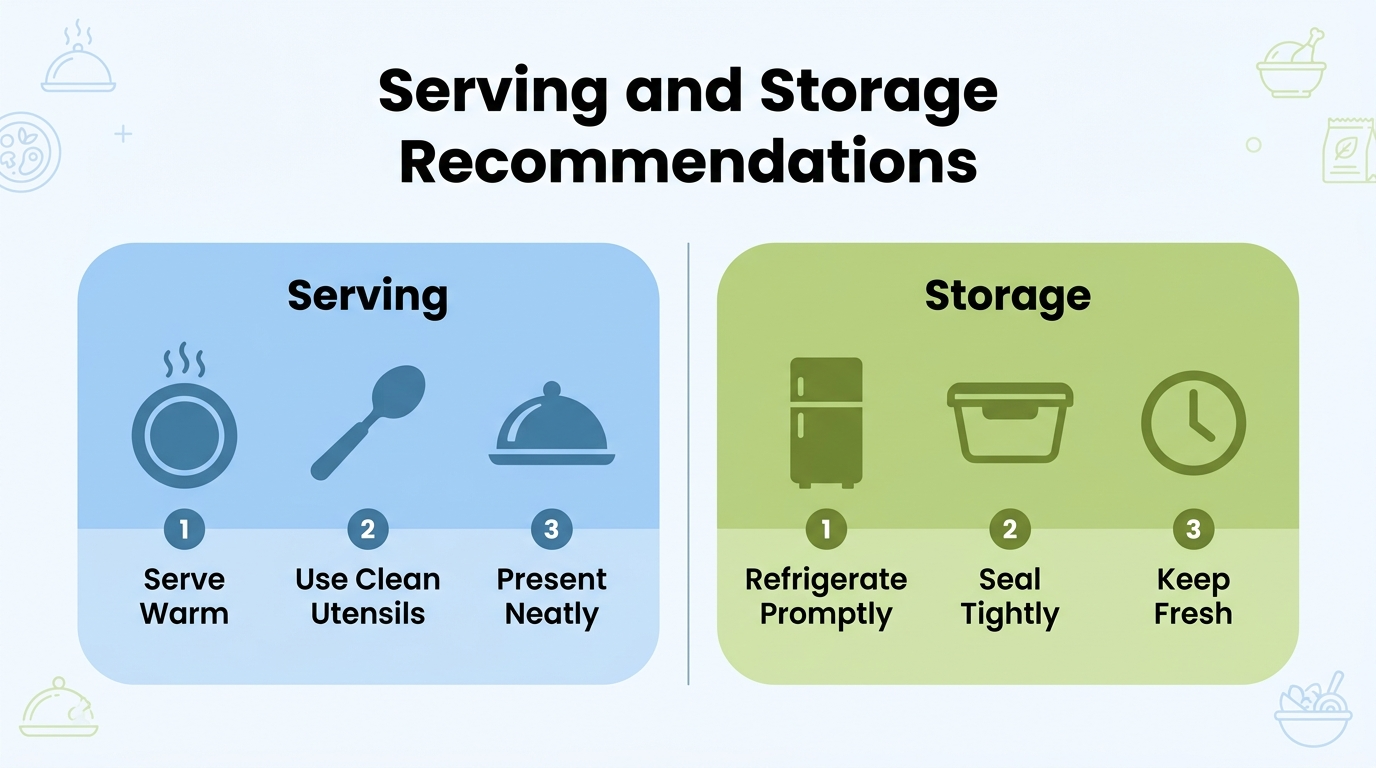
Now that you’ve mastered the art of creating perfect gulab jamuns, serving them at the right temperature makes all the difference. Gulab jamuns are best enjoyed warm or at room temperature, allowing the syrup to remain fluid and the texture to stay soft and spongy. When served warm, the sweetness becomes more pronounced, and the aromatic flavors are enhanced, creating an irresistible dessert experience.
For garnishing, traditional options include chopped pistachios, almonds, or cashews sprinkled generously on top. These nuts not only add visual appeal but also provide a delightful textural contrast to the soft jamuns. A light dusting of cardamom powder or a few strands of saffron can elevate the presentation while complementing the existing flavors in your gulab jamun recipe.
Creative presentation ideas with ice cream or nuts
Transform your homemade gulab jamuns into restaurant-style desserts with creative presentation techniques. Serving gulab jamuns alongside vanilla ice cream creates a beautiful hot-and-cold contrast that’s incredibly popular. Gulab jamun recipe The warm, syrup-soaked jamuns paired with cold ice cream offer a delightful temperature play that enhances the overall dining experience.
Consider creating a dessert platter by arranging the jamuns in a decorative bowl, surrounded by mixed nuts like pistachios, almonds, and rose petals for an elegant touch. You can also serve them in individual portions, placing two jamuns per serving with a small scoop of kulfi or vanilla ice cream on the side.
Refrigeration guidelines for extended freshness
Proper storage is crucial for maintaining the quality of your gulab jamuns over time. Store the jamuns completely submerged in their sugar syrup in an airtight container. This prevents them from drying out and maintains their characteristic soft, spongy texture. When refrigerated properly, gulab jamuns can stay fresh for up to one week.
Before serving refrigerated jamuns, allow them to come to room temperature or gently warm them for the best taste and texture. The syrup may thicken when cold, but it will return to its original consistency once warmed. Always use a clean spoon when removing jamuns from storage to prevent contamination and extend their shelf life.

Whether you’re preparing for Diwali, a family celebration, or simply satisfying a late-night craving, homemade gulab jamun brings pure joy to every occasion. Store them properly in the refrigerator for up to 18-20 days, and don’t hesitate to experiment with serving ideas like pairing them with vanilla ice cream or rabdi. With practice and attention to detail, you’ll soon be making these golden, syrup-soaked delights with confidence, creating memories that will last a lifetime.
Want to read more Famous Food about click here.
Big Shoutout to the guys who made this blog happen UDM.