Best Samosa Recipe – Crispy and Delicious Homemade Samosas
Few snacks in the world carry as much love, history, and flavor as the samosa. Whether you bite into one at a street stall in Lahore, a tea house in Delhi, or a family kitchen in London, the experience is always the same a satisfying crunch followed by a warm, spiced filling that feels like home. The samosa is not just food. It is a feeling.
This humble triangle of dough has traveled across continents and centuries. Today, it sits proudly on restaurant menus, party platters, and dinner tables around the world. Moreover, it remains one of the most searched recipes online because people genuinely want to make it right at home.
However, making a perfect samosa is not as difficult as it sounds. With the right dough, a well-seasoned filling, and a few simple techniques, you can create crispy, golden samosas that rival anything you find outside. The key is understanding each step from kneading the dough to folding the cone shape and frying at the correct temperature.
In this guide, we walk you through everything you need to know about making the best samosa from scratch. Therefore, whether you are a beginner or someone looking to sharpen your skills, this article has something valuable for you. We cover the traditional potato filling, dough preparation, frying tips, baking options, and much more. So let us get started and bring this iconic snack to your kitchen.
What Is a Samosa and Where Did It Come From
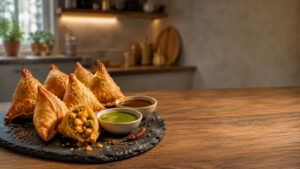
The samosa is a fried or baked pastry with a savory filling. The filling most commonly includes spiced potatoes, peas, onions, and sometimes meat. The pastry shell is firm, flaky, and golden on the outside. Inside, the filling is soft, warm, and deeply spiced.
The origin of the samosa traces back to the Middle East and Central Asia. Traders and travelers carried this snack along ancient spice routes into South Asia. Therefore, over centuries, it became deeply embedded in South Asian cooking culture particularly in India, Pakistan, Bangladesh, and Nepal.
Today, however, the samosa has gone global. You find variations of it in East Africa, the United Kingdom, the United States, and Southeast Asia. Each region has adapted the recipe to local tastes. Yet the soul of the samosa a crispy shell with a warm, flavorful filling — remains the same everywhere.
Why Homemade Samosas Are Worth Making
Many people rely on frozen or store-bought samosas. Moreover, plenty of restaurants serve them. So why bother making them at home?
The answer is simple: control and freshness. When you make samosas at home, you control the dough thickness, the spice level, the oil quality, and the size of each piece. Furthermore, homemade samosas taste noticeably fresher. The pastry is crunchier, the filling is more fragrant, and the overall experience is far more satisfying.
In addition, making samosas at home is surprisingly economical. The ingredients are inexpensive and widely available. A batch of twenty samosas costs a fraction of what you would pay at a restaurant or takeaway shop.
Finally, there is the joy of making them yourself. Samosas are a wonderful activity to share with family. Children love folding and sealing them. Adults love frying and eating them.
Ingredients You Need for the Best Samosa Recipe
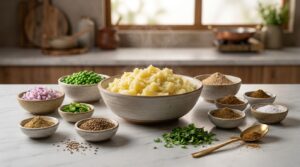
Before you begin, gather all your ingredients. Having everything ready in advance makes the process smooth and enjoyable.
For the dough:
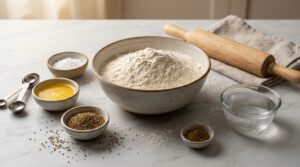
You need two cups of all-purpose flour (maida), half a teaspoon of salt, half a teaspoon of carom seeds (ajwain), and four tablespoons of oil or ghee. You also need cold water — approximately six to eight tablespoons — to bring the dough together.
Carom seeds are important. They give the dough a subtle flavor and also help with digestion. However, if you cannot find them, you can skip them or replace them with a pinch of cumin powder.
For the potato filling:
You need four medium-sized potatoes (boiled and mashed), half a cup of green peas (fresh or frozen), one medium onion (finely chopped), two green chilies (finely chopped), one tablespoon of oil, one teaspoon of cumin seeds, one teaspoon of coriander powder, half a teaspoon of garam masala, half a teaspoon of dry mango powder (amchur), salt to taste, and a handful of fresh coriander leaves (chopped).
Each of these spices plays a role. Dry mango powder brings a gentle sourness that balances the richness of the potato. Garam masala adds warmth and depth. Therefore, do not skip these if you want an authentic result.
How to Make the Samosa Dough Perfectly

The dough is the foundation of a great samosa. If the dough is too soft, the samosa will absorb too much oil. If it is too stiff, it will crack during folding. Therefore, getting the dough right is the most critical step.
Start by combining the flour, salt, and carom seeds in a large mixing bowl. Add the oil or ghee and rub it into the flour using your fingertips. This technique is called “rubbing in” and it creates a crumbly, sand-like texture. This texture is what gives the samosa its flaky, layered shell after frying.
Once the flour feels like fine breadcrumbs, add cold water one tablespoon at a time. Mix after each addition. Stop when the dough just comes together. It should feel firm and not sticky. Do not knead it like bread dough. Instead, just bring it together until smooth.
Cover the dough with a damp cloth and let it rest for at least twenty to thirty minutes. This resting period is essential. It relaxes the gluten in the flour, which makes the dough easier to roll and less likely to shrink back.
How to Prepare the Samosa Filling

While the dough rests, prepare the filling. Heat one tablespoon of oil in a pan over medium heat. Add the cumin seeds and let them sizzle for thirty seconds. Then add the chopped onions and green chilies. Cook until the onions turn translucent — about three to four minutes.
Add the spices next: coriander powder, garam masala, dry mango powder, and salt. Stir everything together and cook for one minute so the spices bloom and release their aroma.
Now add the boiled and mashed potatoes. Mix thoroughly so the spices coat every bit of the potato. Add the peas and fold them in gently. Cook on low heat for two to three minutes. Finally, add the fresh coriander leaves and turn off the heat.
Spread the filling on a tray and let it cool completely before you start filling the samosas. A warm or hot filling will create steam inside the samosa during frying, which can cause the shell to burst or become soggy. Therefore, patience at this stage pays off.
How to Shape and Fold Samosas

This is the part that many first-timers find intimidating. However, once you understand the method, it becomes easy and even enjoyable.
Divide the dough into equal balls — roughly the size of a golf ball for medium-sized samosas. Roll each ball into an oval shape, roughly fifteen to eighteen centimeters long and eight to nine centimeters wide. Cut the oval in half across the middle so you have two semi-circles.
Take one semi-circle and hold it in your palm with the flat edge facing up. Moisten the straight edge with a little water using your finger. Bring the two corners of the straight edge together to form a cone shape. Press the seam firmly to seal it.
Fill the cone with about two to three tablespoons of the cooled potato filling. Do not overfill — leave some space at the top. Moisten the inner edges of the open top with water. Press the sides together firmly to seal the samosa completely. Make sure there are no gaps or air pockets.
Place the sealed samosas on a tray and cover them with a cloth while you finish making the rest. This prevents them from drying out.
The Right Way to Fry Samosas

Frying samosas correctly is just as important as making them. The oil temperature is the key factor.
Pour enough oil into a deep pan or wok so the samosas can be submerged. Heat the oil over medium-low heat. To test the temperature, drop a small piece of dough into the oil. It should rise slowly to the surface and sizzle gently. If it rises too quickly, the oil is too hot. If it sinks and stays at the bottom, the oil is not hot enough.
The ideal frying temperature is around 150 to 160 degrees Celsius (300 to 320 degrees Fahrenheit). This lower-than-usual temperature is intentional. Frying samosas slowly on medium-low heat ensures that the pastry cooks through evenly and becomes genuinely crispy without burning.
Slide the samosas gently into the oil in small batches. Do not overcrowd the pan. Fry for eight to twelve minutes, turning occasionally, until they are deep golden brown all over.
Remove them with a slotted spoon and place them on paper towels to drain the excess oil. Serve immediately for the best crunch.
Common Mistakes to Avoid When Making Samosas
Even experienced cooks sometimes make mistakes with samosas. Here are the most common ones — and how to avoid them.
Frying on high heat: This is the most frequent mistake. High heat browns the outside quickly but leaves the inside doughy and undercooked. Always fry on medium-low heat and be patient.
Overfilling the samosas: Too much filling puts pressure on the seams and causes them to burst during frying. Use a modest amount of filling and seal the edges firmly.
Skipping the resting time for dough: Rested dough is much easier to roll and holds its shape better. Therefore, never rush this step.
Using a wet or warm filling: As mentioned earlier, moisture inside the samosa creates steam during frying and leads to a soggy or cracked shell. Always cool the filling completely.
Not sealing the edges properly: Even a tiny gap can let oil into the samosa or allow the filling to spill out. Use water on the edges and press firmly.
Baked Samosa Option – A Healthier Alternative
If you prefer a lighter version, you can bake your samosas instead of frying them. The baked version is not quite as crispy as the fried one. However, it is still delicious and significantly lower in calories.
Preheat your oven to 200 degrees Celsius (390 degrees Fahrenheit). Brush the shaped samosas lightly with oil or melted butter on all sides. Place them on a lined baking tray and bake for twenty-five to thirty minutes. Flip them halfway through for even browning.
For an extra golden finish, brush a second coat of oil in the final five minutes of baking. The result is a slightly lighter, still-crispy samosa that satisfies the craving without the deep frying.
In addition, air fryers work wonderfully for samosas. Lightly brush them with oil and air fry at 180 degrees Celsius (360 degrees Fahrenheit) for fifteen to eighteen minutes, flipping once in the middle.
Popular Samosa Variations Around the World
The classic potato samosa is just the beginning. Around the world, cooks have developed dozens of exciting variations.
Keema Samosa: Instead of a potato filling, this version uses spiced minced meat — usually lamb or beef. It is especially popular in Pakistan and Afghanistan. The filling is cooked with onions, ginger, garlic, and warming spices before being sealed inside the pastry.
Paneer Samosa: This is a popular vegetarian variation in India. Crumbled paneer (fresh cheese) replaces or supplements the potato. It has a rich, creamy interior that pairs beautifully with the crispy shell.
Cheese Samosa: A fusion take that has become popular in the Middle East and among younger audiences globally. Melted cheese — sometimes mixed with herbs or jalapeños — fills the pastry. Furthermore, it is a crowd-pleaser at parties.
Sweet Samosa (Mawa Samosa): This dessert variation is filled with sweetened reduced milk (mawa), nuts, and cardamom. It is often served during festivals and celebrations in India.
Lentil Samosa (Dal Samosa): A hearty and wholesome option where spiced lentils replace or supplement the potato filling. This version is common in East Africa, where samosas arrived via Indian traders centuries ago.
The Best Chutneys to Serve With Samosas

A samosa without chutney is like chai without sugar — technically complete, but missing something essential. The right chutney can elevate a good samosa into an unforgettable one.
Mint and coriander chutney is the classic companion. Blend fresh mint leaves, coriander leaves, green chilies, garlic, lemon juice, and a pinch of salt until smooth. It is bright, fresh, and cooling — a perfect contrast to the spiced filling.
Tamarind chutney offers the opposite experience. It is dark, sticky, sweet, and tangy. Moreover, it has a depth of flavor that complements the richness of the samosa filling beautifully. You can find tamarind paste in most Asian grocery stores, making this chutney easy to prepare at home.
Yogurt dip is a simple and popular option. Mix plain yogurt with a pinch of cumin powder, salt, and a few drops of lemon juice. It is cool, mild, and creamy — ideal for those who prefer something less spicy.
According to Serious Eats, pairing fried snacks with acid-forward condiments — like tamarind or citrus-based chutneys — is a universal principle of great food because the acidity cuts through the fat and refreshes the palate between bites.
How to Store and Reheat Samosas
Samosas are best eaten fresh and hot. However, you can store them and reheat them successfully with the right technique.
Uncooked samosas can be stored in the refrigerator for up to two days. Place them on a tray without touching each other, cover with plastic wrap, and refrigerate. When ready to cook, fry them directly from the refrigerator — no need to bring them to room temperature.
For longer storage, freeze uncooked samosas. Arrange them on a tray and freeze until solid — about two hours. Then transfer them to a freezer bag and store for up to three months. Fry directly from frozen, adding a few extra minutes to the frying time.
Cooked samosas can be stored in an airtight container in the refrigerator for up to two days. To reheat, use an oven or air fryer at 180 degrees Celsius for eight to ten minutes. This restores much of the original crispiness. Avoid microwaving them — it makes the pastry soft and chewy.
Tips for Making Samosas in Large Batches
Samosas are a popular party snack. Therefore, knowing how to scale up the recipe efficiently is helpful.
Prepare the dough and filling a day in advance and refrigerate them separately. The next day, shape and fill the samosas assembly-line style — one person rolling, one filling, one sealing. This method is efficient and enjoyable when done with a group.
For parties, fry samosas in multiple batches and keep them warm in an oven preheated to 100 degrees Celsius (210 degrees Fahrenheit). Place them on a wire rack inside the oven so air circulates around them and the bottom does not become soggy.
Moreover, you can partially fry samosas ahead of time give them about five minutes in the oil at a low temperature. They will not be golden yet. Then finish frying them for three to four minutes at a slightly higher temperature just before serving. This is a great time-saving technique used in professional kitchens.
Nutritional Overview of Samosas
Understanding what is in a samosa helps you enjoy it mindfully and make adjustments if needed.
A standard fried potato samosa (approximately 80 to 100 grams) contains roughly 200 to 250 calories. It provides carbohydrates from the potato and pastry, a moderate amount of fat from frying, and small amounts of fiber and protein.
The spices — cumin, coriander, turmeric — add more than just flavor. According to Healthline, turmeric contains curcumin, a compound with strong anti-inflammatory and antioxidant properties. Similarly, cumin supports digestion and is rich in iron.
The baked version reduces the fat content significantly. Moreover, using whole wheat flour instead of all-purpose flour increases the fiber content and lowers the glycemic index of the pastry.
In addition, substituting the potato filling with lentils or mixed vegetables boosts the protein and micronutrient content considerably.
How Samosas Fit Into South Asian Food Culture
In South Asia, food is never just about nutrition. It is about connection, hospitality, and identity. The samosa sits at the heart of this culture.
In Pakistan and India, samosas are almost always present at tea time (chai time). The pairing of a hot, sweet cup of chai with a crispy, savory samosa is one of the most comforting culinary rituals in the region. Furthermore, no Eid celebration, wedding, or family gathering feels complete without a plate of samosas.
Street vendors known as “samosa walas” sell freshly fried samosas throughout the day in cities and towns across South Asia. The smell of samosas frying in oil is instantly recognizable — and irresistible.
Moreover, the samosa has been embraced by the South Asian diaspora around the world. In the United Kingdom, the United States, Canada, and Australia, samosas are now mainstream snacks that appear in grocery stores, school canteens, and major supermarkets.
Making Samosas Kid-Friendly
Samosas can be adapted easily for children. The most important change is reducing the spice level. Skip the green chilies and reduce the garam masala. You can also add a small amount of cheese to the filling children universally love it.
Furthermore, make smaller samosas for little hands. Mini samosas are easier to hold, less messy to eat, and just as delicious. They also make charming party appetizers for adults.
Involve children in the folding process. It is a fun, hands-on activity that builds fine motor skills. Moreover, children who help make food are usually more excited to eat it.
Why This Samosa Recipe Works Every Time
This recipe has been tested and refined to work consistently across different kitchens, stoves, and skill levels. The key principles that make it reliable are simple.
The rubbing-in technique for the dough guarantees a flaky, layered pastry. The slow frying method guarantees a crispy, evenly cooked shell. The combination of dry mango powder and garam masala in the filling guarantees that bold, balanced South Asian flavor that makes samosas so addictive.
In addition, the detailed folding instructions mean that even first-time makers can seal samosas that hold together perfectly during frying.
If you enjoy making classic South Asian snacks at home, you might also love exploring other traditional recipes on Famous Food Blog. From rich curries to crispy fried treats, the site is a wonderful resource for home cooks who want to bring restaurant-quality flavors to their own kitchens. Additionally, for more snack inspiration that pairs beautifully with samosas, check out the collection of chutney and dip recipes available on Famous Food Blog — they offer the perfect finishing touch to any homemade appetizer spread.
Conclusion
The samosa is one of those rare foods that manages to be simple and spectacular at the same time. It asks for basic ingredients, a little patience, and a genuine love for good food. In return, it delivers a snack that is crispy, fragrant, deeply satisfying, and endlessly versatile.
Throughout this guide, we have covered everything you need to make the best samosa at home. From preparing the perfect firm dough to cooking a well-spiced potato filling, from folding a tight cone to frying at the right temperature each step matters and each step is achievable.
Moreover, we explored the rich cultural history behind this iconic snack, the many variations that exist across different countries, the best chutneys to serve alongside them, and practical tips for storing, reheating, and batch-cooking samosas for gatherings.
Whether you choose to fry them in oil for that classic golden crunch, bake them for a lighter result, or air fry them for a quick weeknight snack, the outcome will always be rewarding. Furthermore, once you master the basic recipe, you can experiment confidently — try a keema filling, add paneer, go fully vegan with lentils, or create a sweet dessert version for celebrations.
Therefore, the next time a craving hits or guests are on their way, skip the takeaway box and make a fresh batch at home. The smell alone will fill your kitchen with warmth. The taste will remind everyone why the samosa has stood the test of time across centuries and continents.
Now roll up your sleeves, heat the oil, and make your best samosa yet.
Frequently Asked Questions
Q1. Why does my samosa turn out soft instead of crispy?
The most common reason is frying on high heat. When the oil is too hot, the outside browns quickly but the dough does not cook through properly. As a result, the samosa softens as it cools. Always fry samosas on medium-low heat — around 150 to 160 degrees Celsius — for eight to twelve minutes. This slow frying method ensures the pastry becomes genuinely crispy all the way through. In addition, make sure your dough is firm and not too soft, as a soft dough also leads to a greasy, non-crispy result.
Q2. Can I make samosa dough without maida (all-purpose flour)?
Yes, you can use whole wheat flour (atta) as a healthier alternative. However, the texture will be slightly denser and less flaky compared to all-purpose flour. For a good balance, many home cooks use a fifty-fifty mix of whole wheat flour and all-purpose flour. Moreover, make sure to rub the oil or ghee into the flour thoroughly regardless of which flour you use — this step is what creates the desired flaky pastry texture after frying.
Q3. How long can I freeze uncooked samosas and how do I fry them from frozen?
You can freeze uncooked samosas for up to three months without any loss in quality. Arrange the shaped and filled samosas on a baking tray in a single layer and freeze them until solid approximately two hours. Then transfer them to a zip-lock freezer bag and store. When you are ready to cook, do not thaw them. Fry them directly from frozen in medium-low heat oil, adding three to four extra minutes to the usual frying time. This method gives you freshly fried samosas on demand, which is perfect for unexpected guests or late-night cravings.
Want to read more Famous Food about click here
Big Shoutout to the guys who made this blog happen UDM